.webp)
Backend Choices for MVPs in 2026
Most MVP backends don’t fail because the tech was “wrong.” They fail because the backend didn’t match the first real workflow: onboarding, core action, permissions, and payments. In 2026, founders can ship faster than ever — but that also makes it easier to pick a backend that’s cheap today and expensive later. This guide breaks down practical backend options for early-stage startups, how to choose based on risk (not hype), and what decisions to postpone safely.

TL;DR: For most startups in 2026, the best MVP backend is the one that ships your first workflow fast with sane auth, data access rules, and basic observability.Choose managed backends when speed matters, go custom only when you can’t model your product reliably with the managed constraints.
Why backend choice is an MVP decision, not a “later” decision
Your backend isn’t just storage — it defines what your product can safely do.
In an MVP, the backend usually touches:
- authentication and roles
- permissions (who can see what)
- your main data model
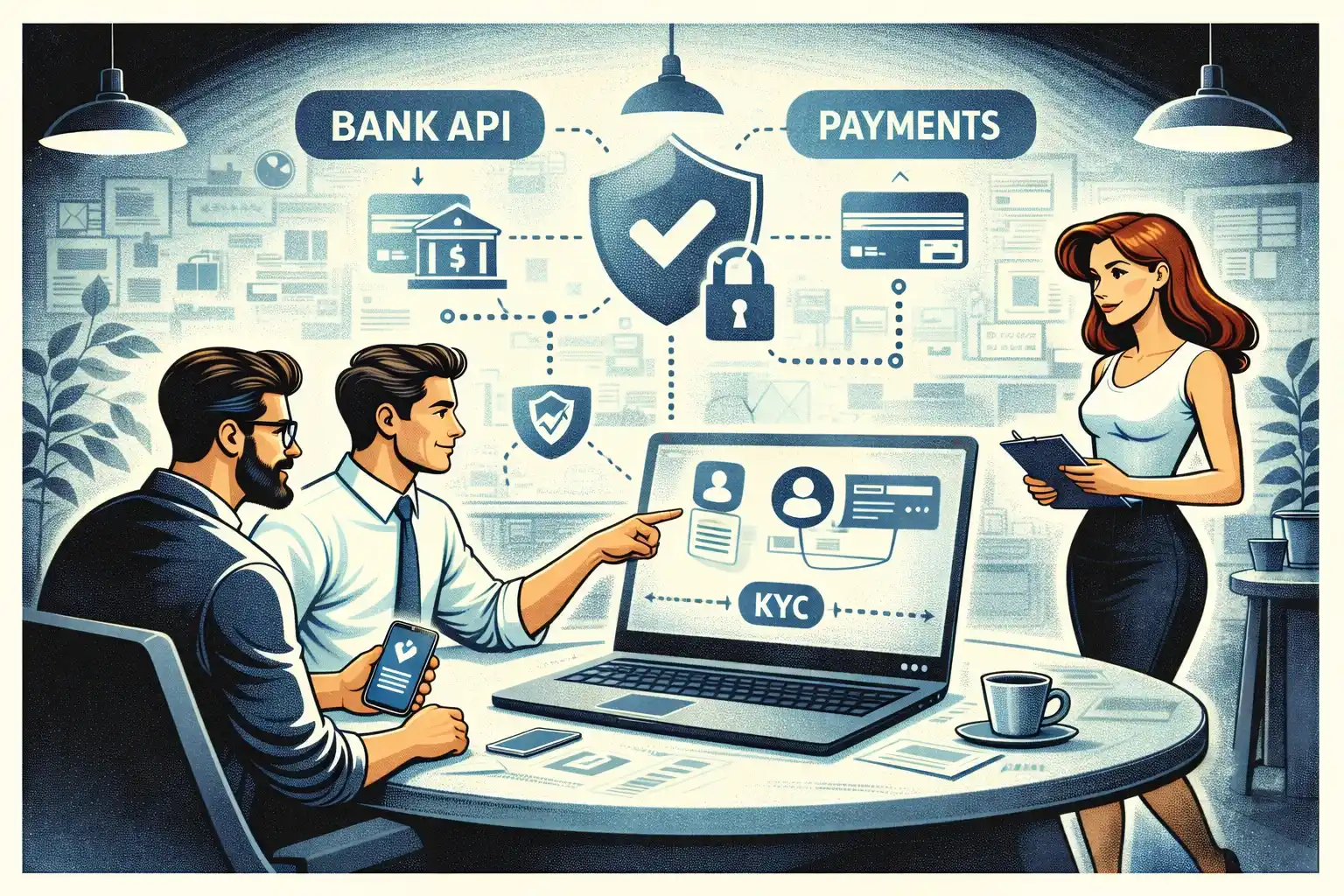
- integrations (payments, email, analytics)
- reliability when users do something unexpected
If those parts are shaky, the UX breaks — even if the UI looks perfect.
If you want the wider framing of how founders should make technical decisions this year, read Tech Decisions for Founders in 2026.
The 2026 reality: your first backend needs to optimize for learning speed
A good MVP backend has one job: let you learn fast without creating hidden “tax” later.
That means:
- fast iteration (schema changes won’t stall the team)
- clear access rules (you won’t leak user data)
- predictable costs (you won’t get surprised at launch)
- a realistic path to scale (you won’t be forced into a rewrite at the first traction spike)
If you’re building a dashboard-heavy product, especially B2B, the architecture trade-offs show up early. A simple overview is in Web App Development for Startups: Architecture Basics for Non-Tech Founders.
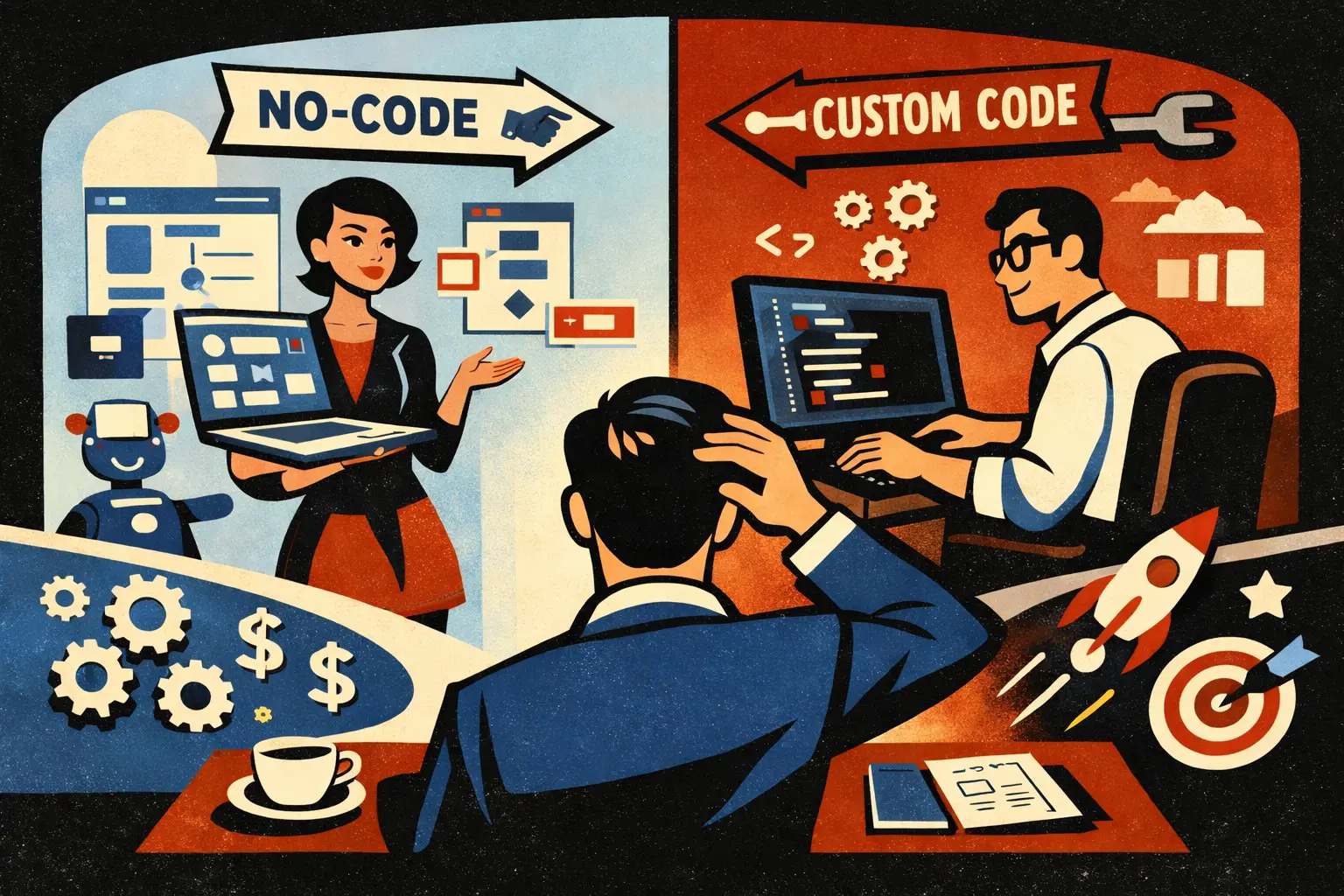
The three backend paths most MVPs fit into
You don’t need a perfect decision. You need the right category of decision.
1) Managed backend (fastest for most MVPs)
This is the default for early-stage startups:
- authentication built-in
- database managed
- file storage handled
- common integrations available
When it’s a good fit:
- you’re testing one workflow with real users
- you need roles and permissions, but not unusual logic
- you want to avoid maintaining infrastructure
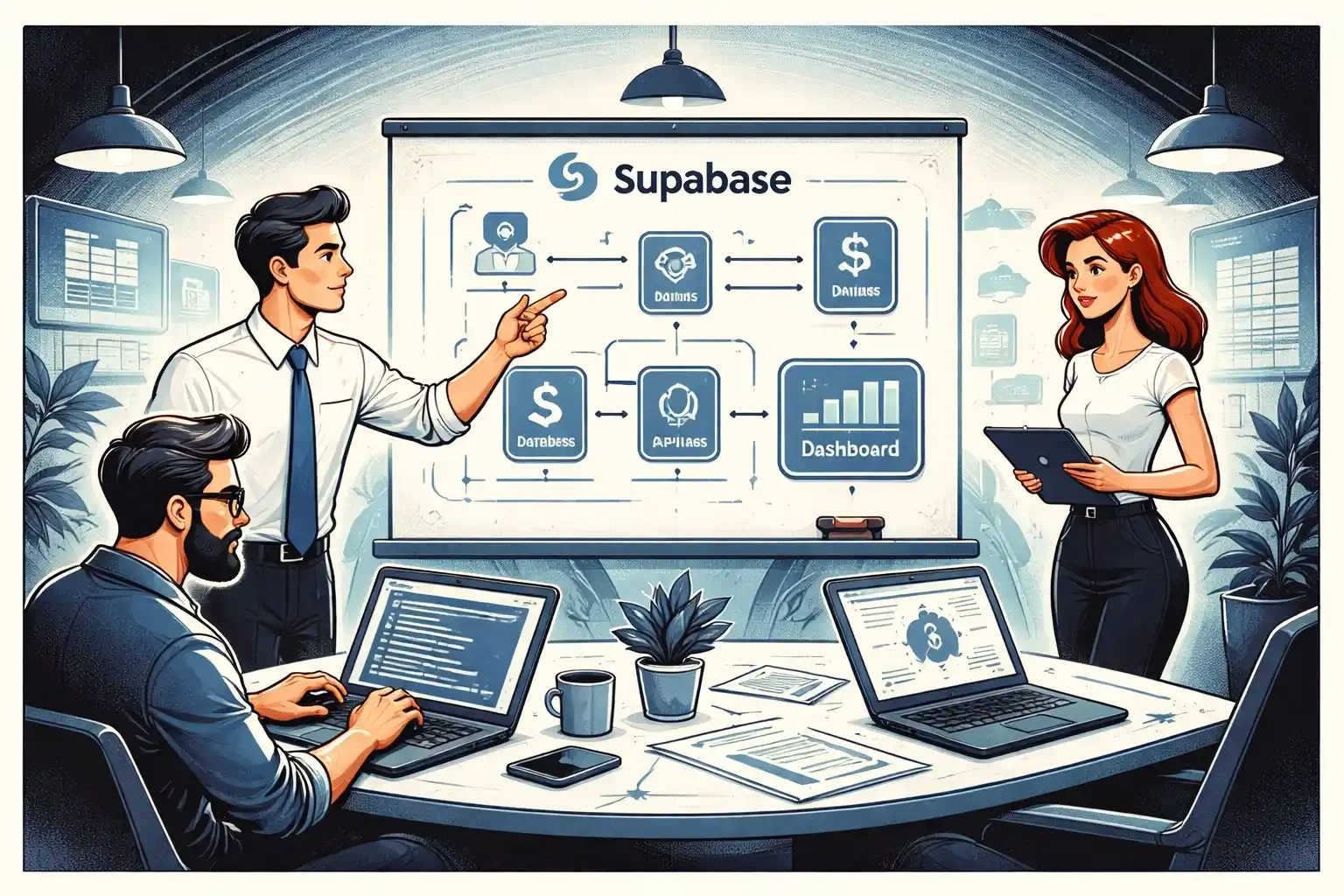
A common founder question here is which managed option fits best early. If you’re choosing between two popular paths, see Supabase vs Firebase for Your Startup MVP Backend.
2) Hybrid (managed core + custom logic where it matters)
This is often the “sweet spot” in 2026.
You use managed pieces for speed, but keep flexibility for:
- custom business rules
- background jobs (sync, enrichment, notifications)
- integrations that need reliability
When it’s a good fit:
- your product needs a few non-standard rules
- you expect experiments (pricing, onboarding, segmentation)
- you want a clear path to add complexity without redesigning everything
3) Custom backend (rarely needed at true MVP stage)
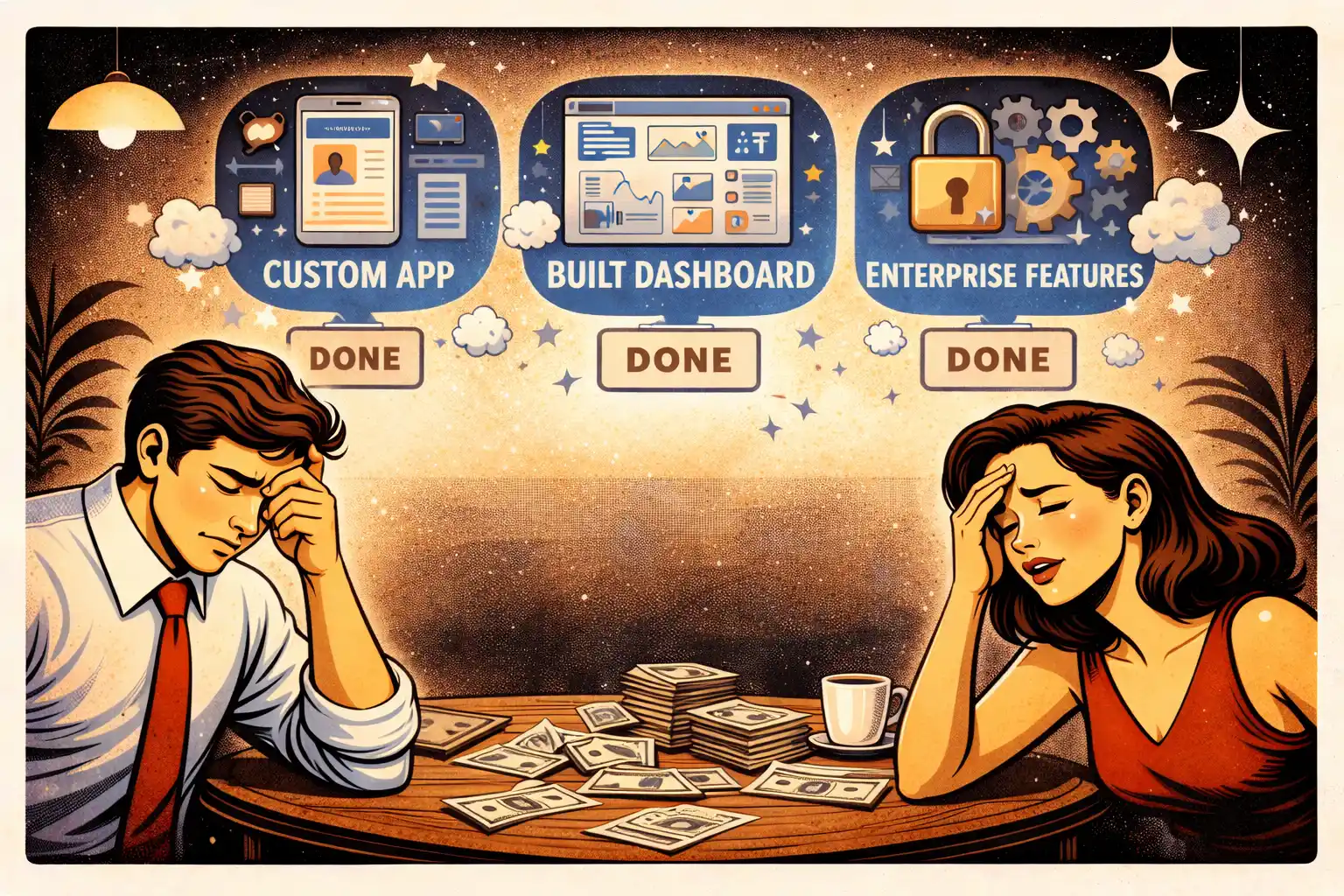
A fully custom backend can be the right move, but it’s usually overkill for pre-seed.
When it’s actually justified:
- your core product is backend-first (heavy workflows, complex state, unusual constraints)
- compliance/security requirements are central from day one
- you have a clear, stable data model and senior engineering leadership
If you’re not sure whether your scope is already “too big for an MVP,” this perspective helps: Why MVPs Still Fail in 2026.
A practical decision filter (non-technical founder friendly)
Here’s the simplest way to choose without getting lost in tech debates.
Choose managed if you mostly need:
- user accounts + roles
- CRUD data (create/read/update/delete)
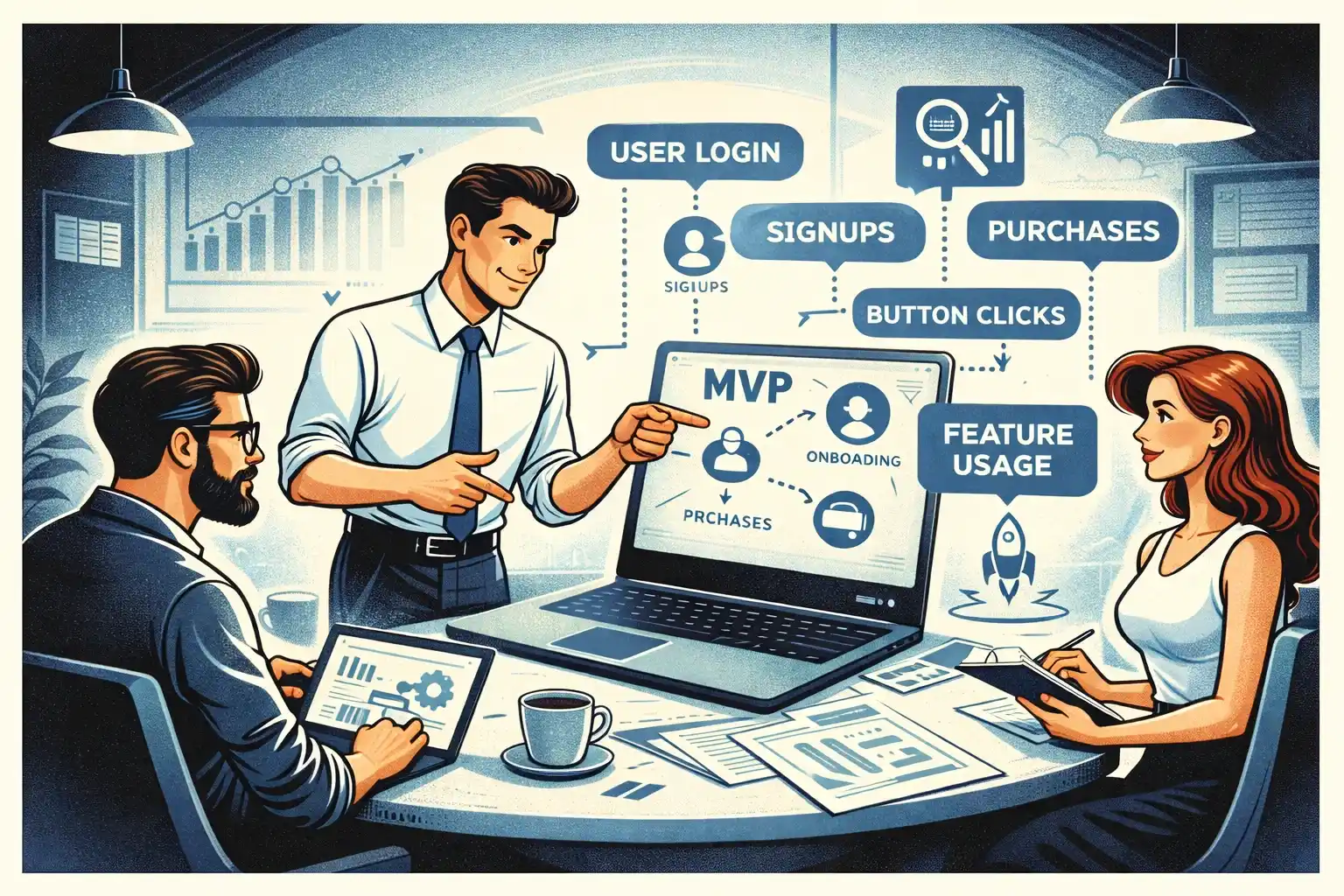
- basic analytics events
- standard integrations
Choose hybrid if you need:
- custom rules that change weekly
- background tasks (syncing, scoring, notifications)
- multiple user types with different permissions
Choose custom if you need:
- complex workflows that can’t be expressed cleanly in a managed model
- strict control over runtime, deployment, and data boundaries
- deep integration constraints that define the product
This is also why “backend choice” should be tied to feature scope. If you’re struggling to keep scope small, use How to Prioritize Features When You’re Bootstrapping Your Startup.
The hidden costs founders miss when picking a backend
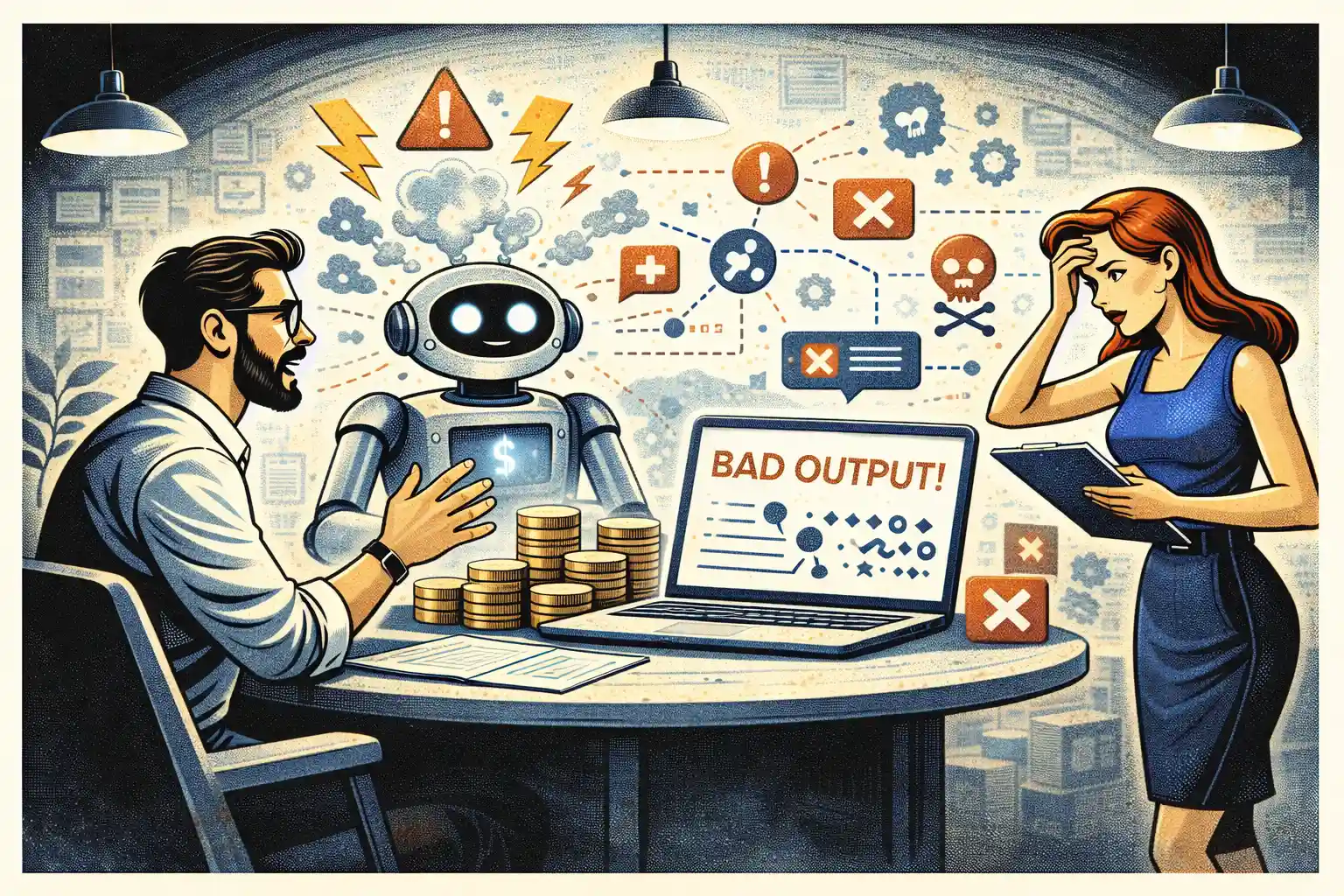
Most “backend mistakes” don’t show up on day one.
They show up when:
- you add your second user role
- you add payments or subscriptions
- you need audit trails and data exports
- you introduce team accounts or workspaces
Common hidden costs:
- unclear ownership of infrastructure decisions
- poor permission model that forces rewrites
- fragile integrations that require manual babysitting
- no observability (errors happen, nobody knows why)
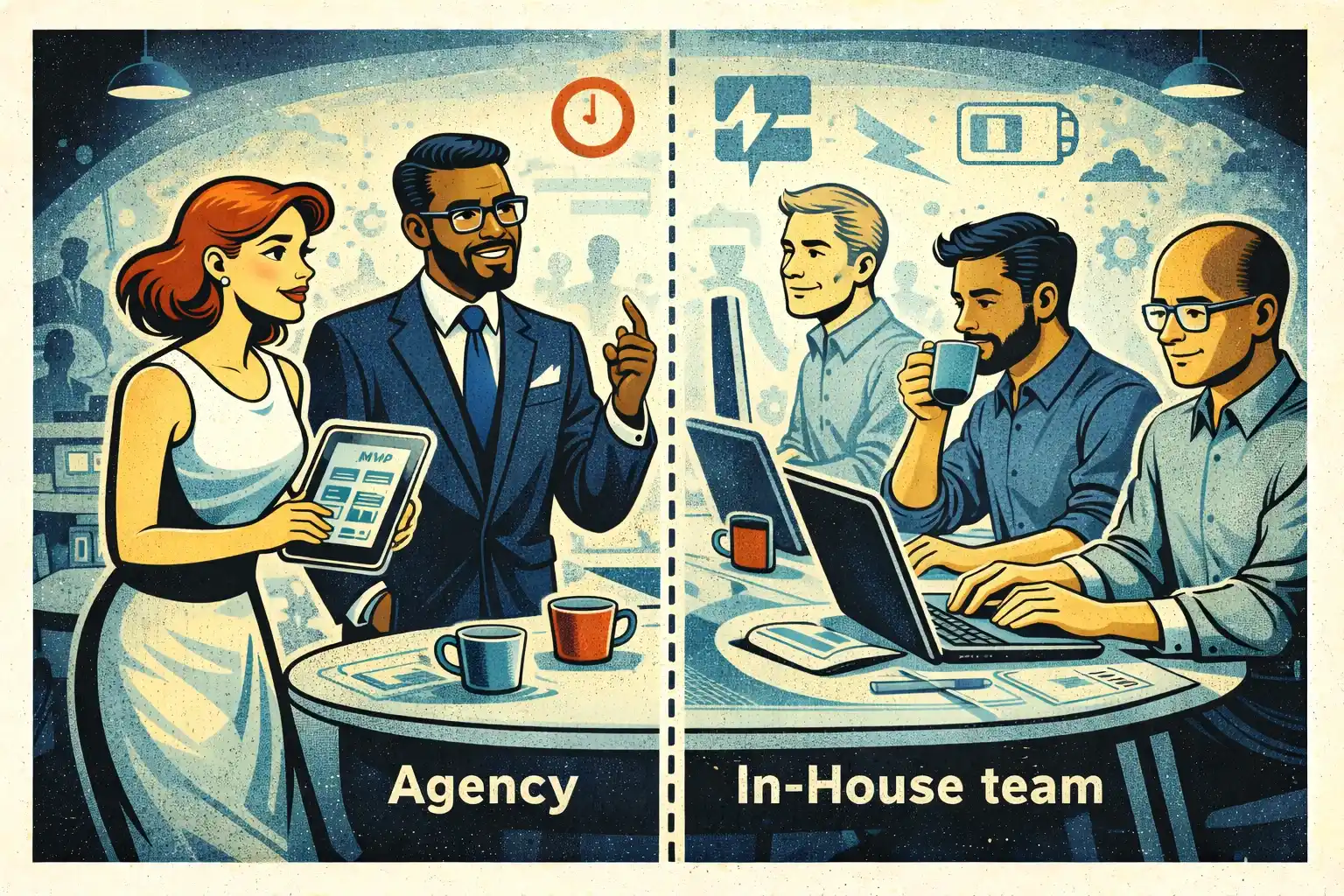
If you’re outsourcing, this is where strong teams differ from average teams: they plan for the second role, not just the first demo. A useful lens is Outsource Development for Startups: Pros, Cons, and Red Flags.
What “scalable enough” means for an MVP in 2026
Scalability is a trap word. In MVP land, it shouldn’t mean “built for a million users.”
It should mean:
- you can handle your first growth spike without downtime
- you can add features without rewriting core tables
- you can measure usage and debug quickly
If your product is SaaS, the most important scaling decision is often your data model around workspaces, roles, and billing — not your cloud provider. For a broader view, see SaaS MVP Development Trends in 2026.
Thinking about building an MVP in 2026?
At Valtorian, we help founders choose a backend that ships fast, keeps user data safe, and won’t force a rewrite when traction starts.
Book a call with Diana
Let’s talk about your idea, scope, and fastest path to a usable MVP.
FAQ
What’s the safest backend choice for a pre-seed MVP in 2026?
A managed backend is usually safest because it reduces infrastructure work and lets you iterate on the product faster.
When should I avoid a fully custom backend?
When your data model is still changing weekly and you don’t have a clear reason for custom infrastructure beyond “control.”
Is Firebase still a good option in 2026?
It can be — especially for fast iteration. The key is whether its data model and access rules fit your product’s roles and workflows.
How do I know if my permissions model will break later?
If you can’t clearly explain who can access what data for each role, assume you’ll pay for it later. Define roles and rules early.
Do I need microservices for an MVP?
Almost never. Start with one backend and add separation only when the product forces it.
What should I ask a dev team about backend choices?
Ask what they recommend for your specific workflow, how they handle roles/permissions, and how they’ll monitor errors after launch.

















































.webp)




.webp)