.webp)
Edtech App Development for Startups in 2026: MVP and Compliance Basics
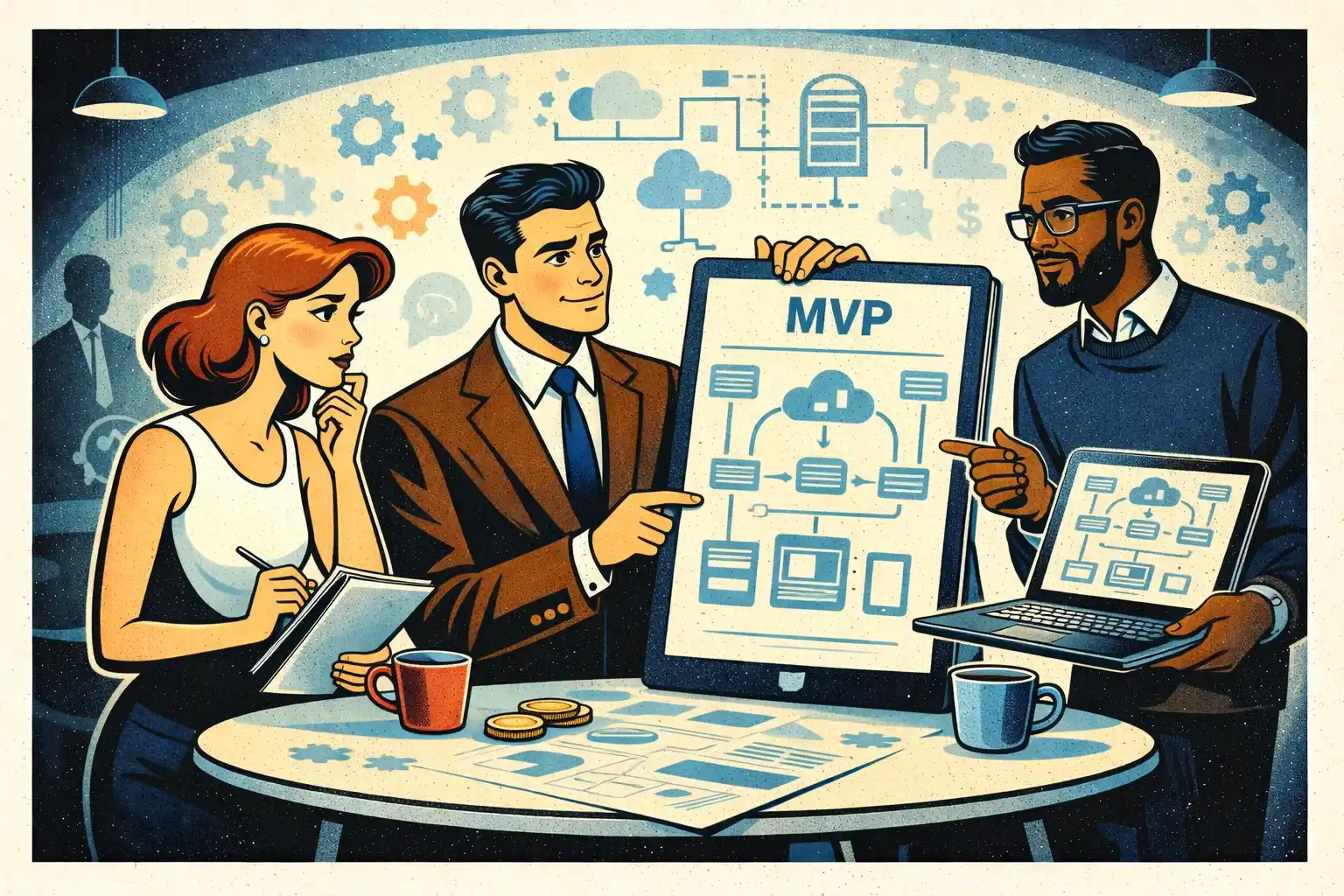
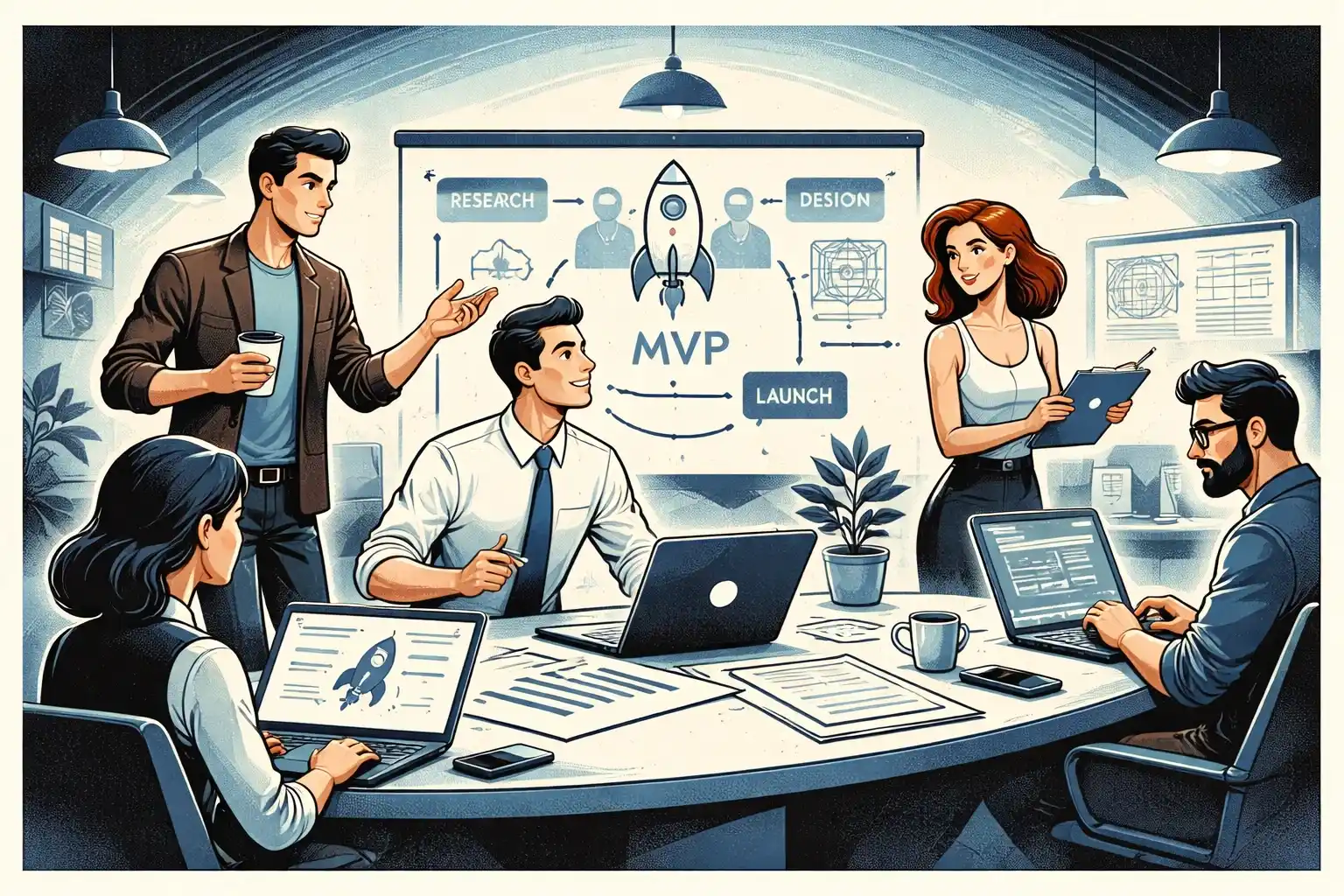
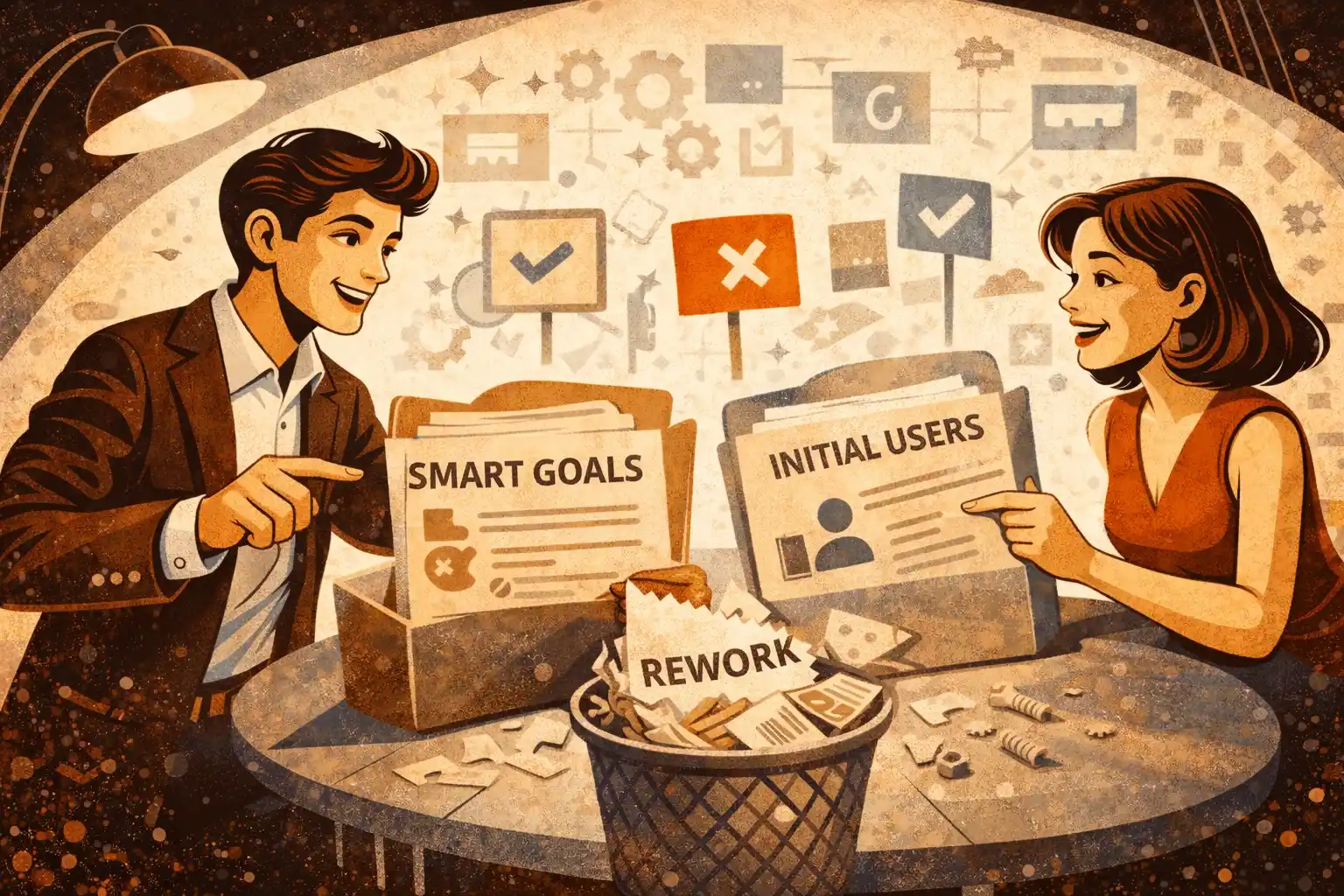
EdTech is one of the easiest categories to overbuild. It’s tempting to ship “a full platform” before you’ve proven one learning workflow people actually use. In 2026, the winning EdTech MVPs are narrower: one clear audience, one repeatable job-to-be-done, and the minimum compliance foundation to handle learner data safely. This article explains what to include in an early EdTech MVP, what compliance basics founders should consider, and how to avoid costly rework.

TL;DR: A strong EdTech MVP in 2026 focuses on one learning workflow and measures whether learners return — not how many features you shipped.Compliance doesn’t have to slow you down, but you need privacy-by-design basics early to avoid rebuilds later.
Why EdTech MVPs fail differently than other apps
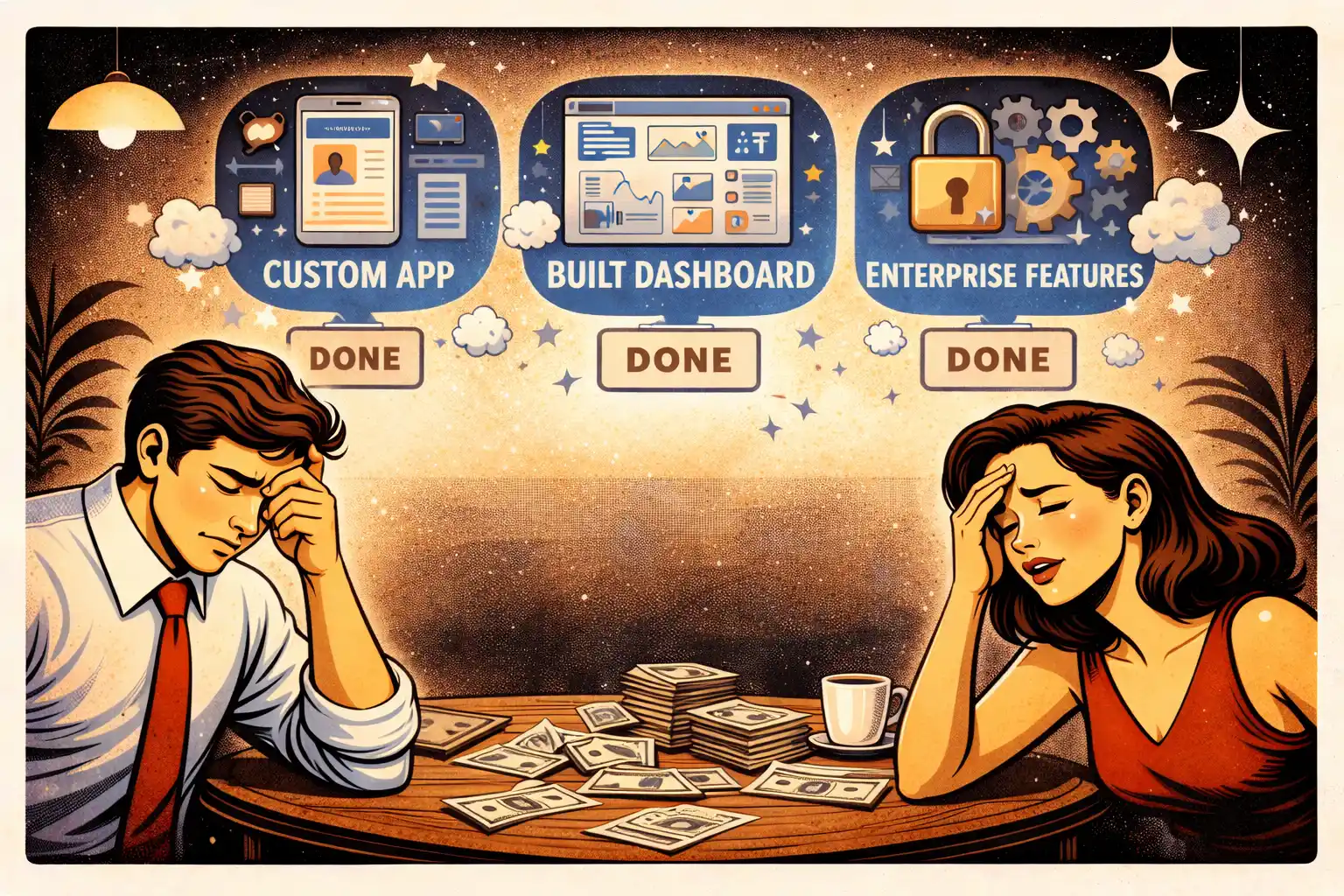
Most startup apps fail because they don’t solve a real problem.EdTech often fails because it solves too many problems at once.
Founders try to build:
- course builder
- video library
- quizzes
- certificates
- payments
- admin dashboards
- school integrations
…before they’ve proven one simple learning loop people repeat.
If you’re unsure what “good MVP” looks like today, start with What Non-Technical Founders Should Know in 2026.
Start with one audience, not “everyone who wants to learn”
The fastest way to ruin an EdTech MVP is to make it generic.
In 2026, a strong first version usually targets one of these:
- a specific learner group (job seekers, nurses, language learners)
- a specific buyer (parents, HR teams, schools)
- a specific outcome (exam pass, onboarding completion, skill certification)
Different audiences create different compliance needs too.
If you’re bootstrapping, focus on what can reach users fastest with the least operational complexity. A good lens is Pre-Seed MVP Development for Unfunded Startups on a Budget.
The simplest EdTech MVP that still works
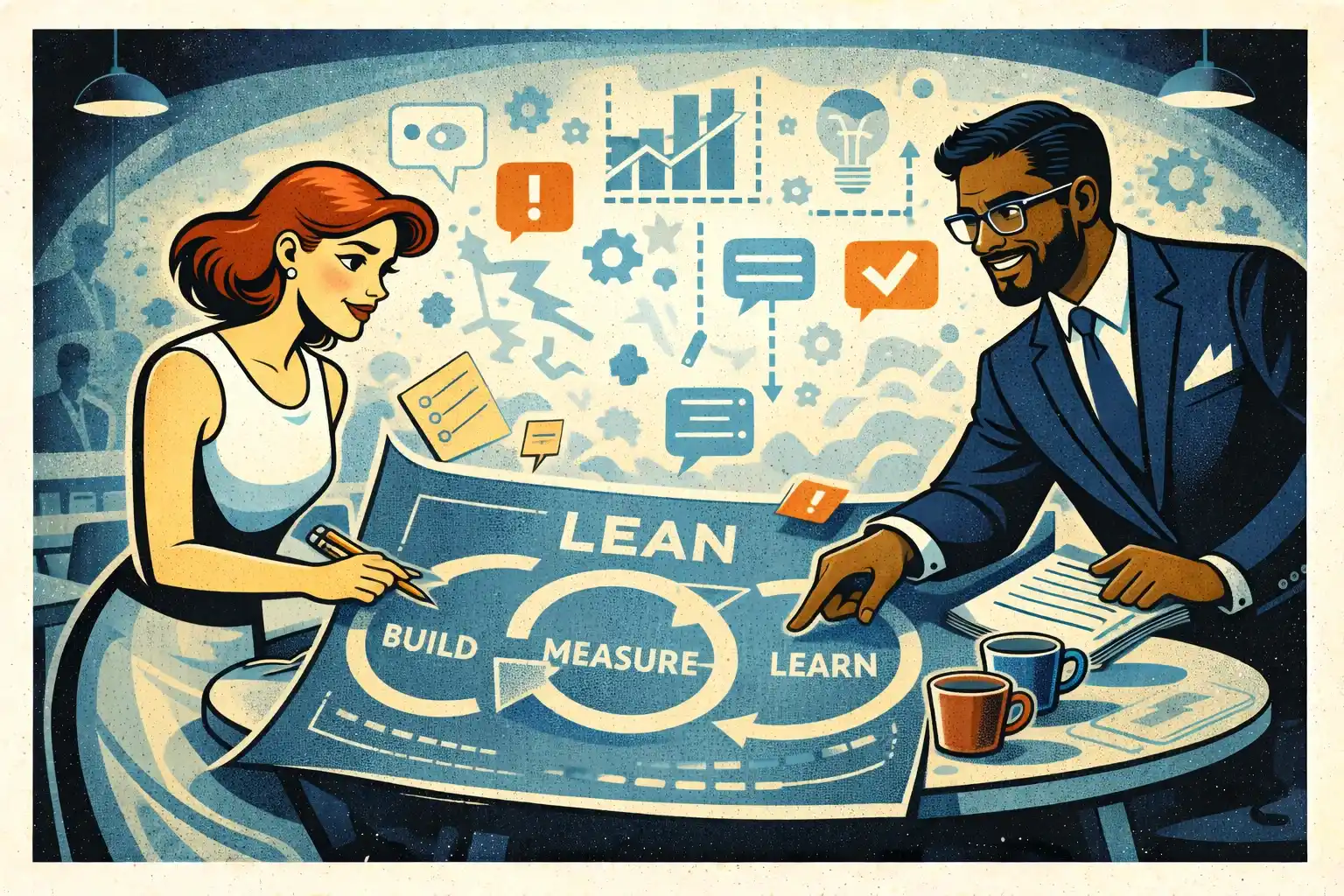
Most early EdTech MVPs only need a loop like:
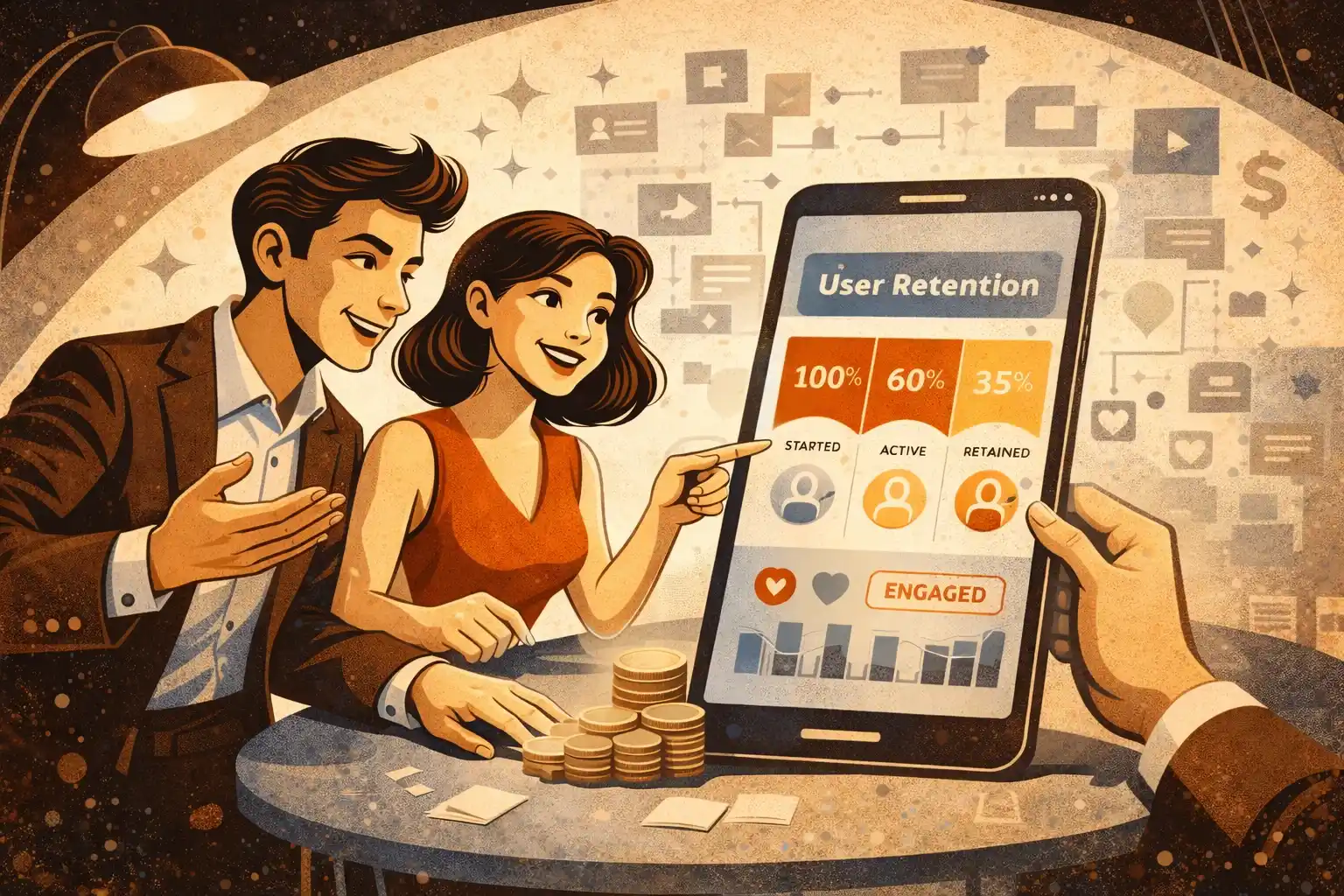
Learner starts → consumes content → completes one action → gets feedback → returns.
Your “one action” might be:
- a short quiz
- a practice task
- a daily lesson
- a coached prompt
What matters is repeatability.
If you’re building a marketplace-style tutor platform or multi-sided model, the MVP scope changes a lot. In that case, read Marketplace MVP Development for Startups: Features You Actually Need.
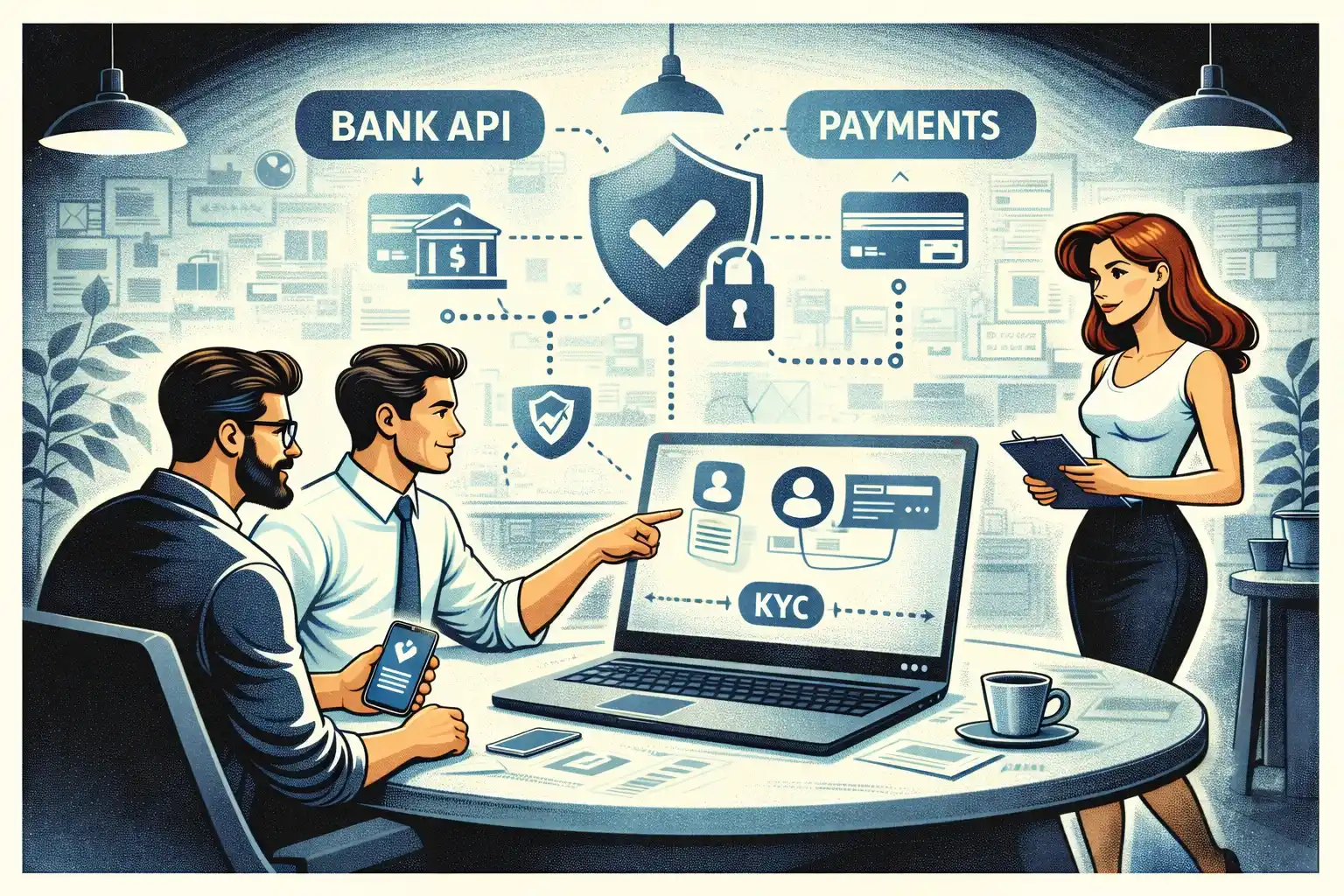
Compliance basics founders should not ignore in 2026
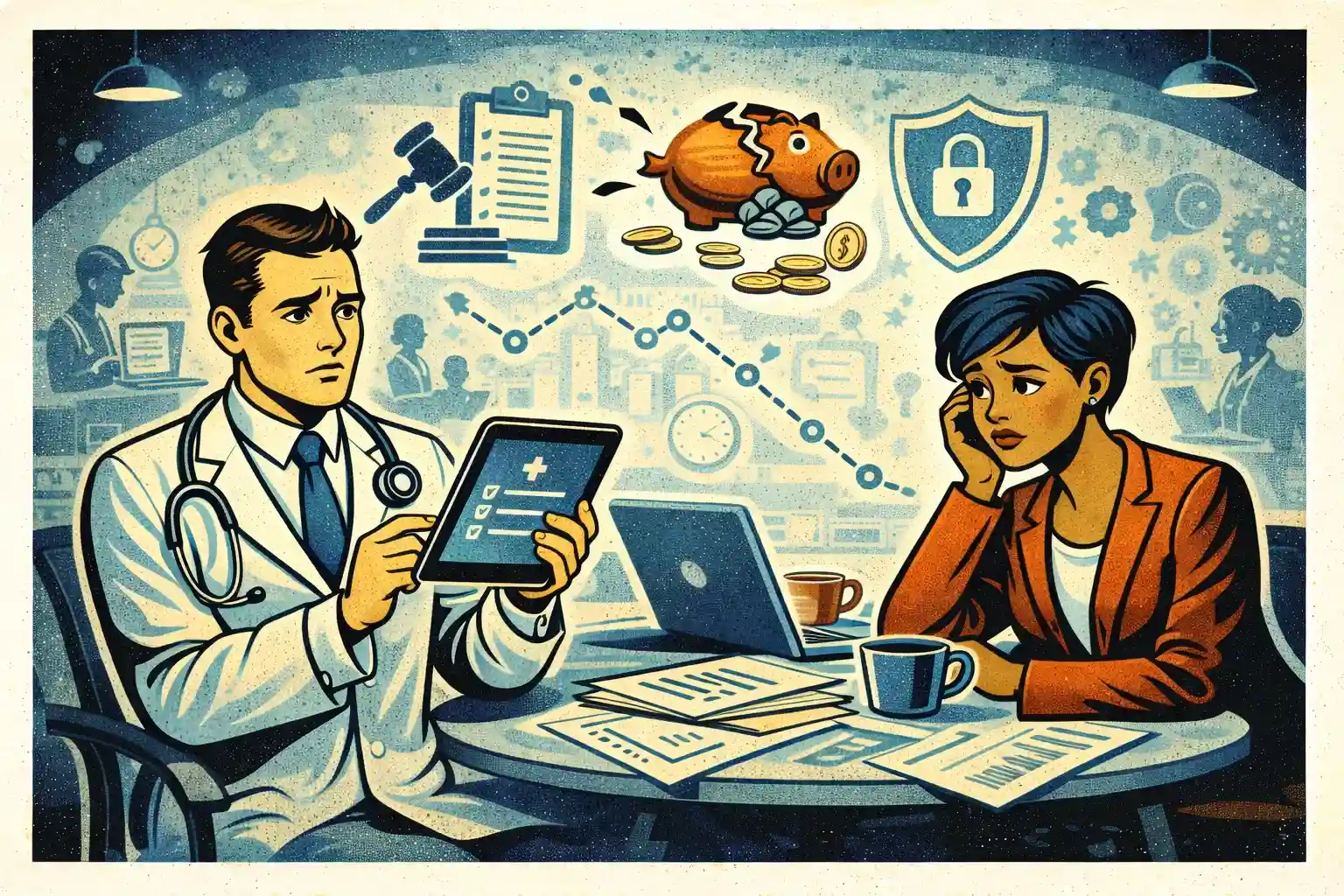
This is not legal advice, but these are the common risk buckets that cause rebuilds.
1) What data you collect (and why)
Collect the minimum learner data needed to deliver the experience.If you don’t need birthdays, don’t collect birthdays.
2) Who your learners are
If you may have minors, the compliance bar rises fast.Even if your product is “for everyone,” your onboarding should clearly define eligibility and parental controls where relevant.
3) Where content and data live
You should know:
- where user data is stored
- how access is controlled
- how deletions work
- what happens when a user requests export
This is less about “enterprise security” and more about not being surprised later.
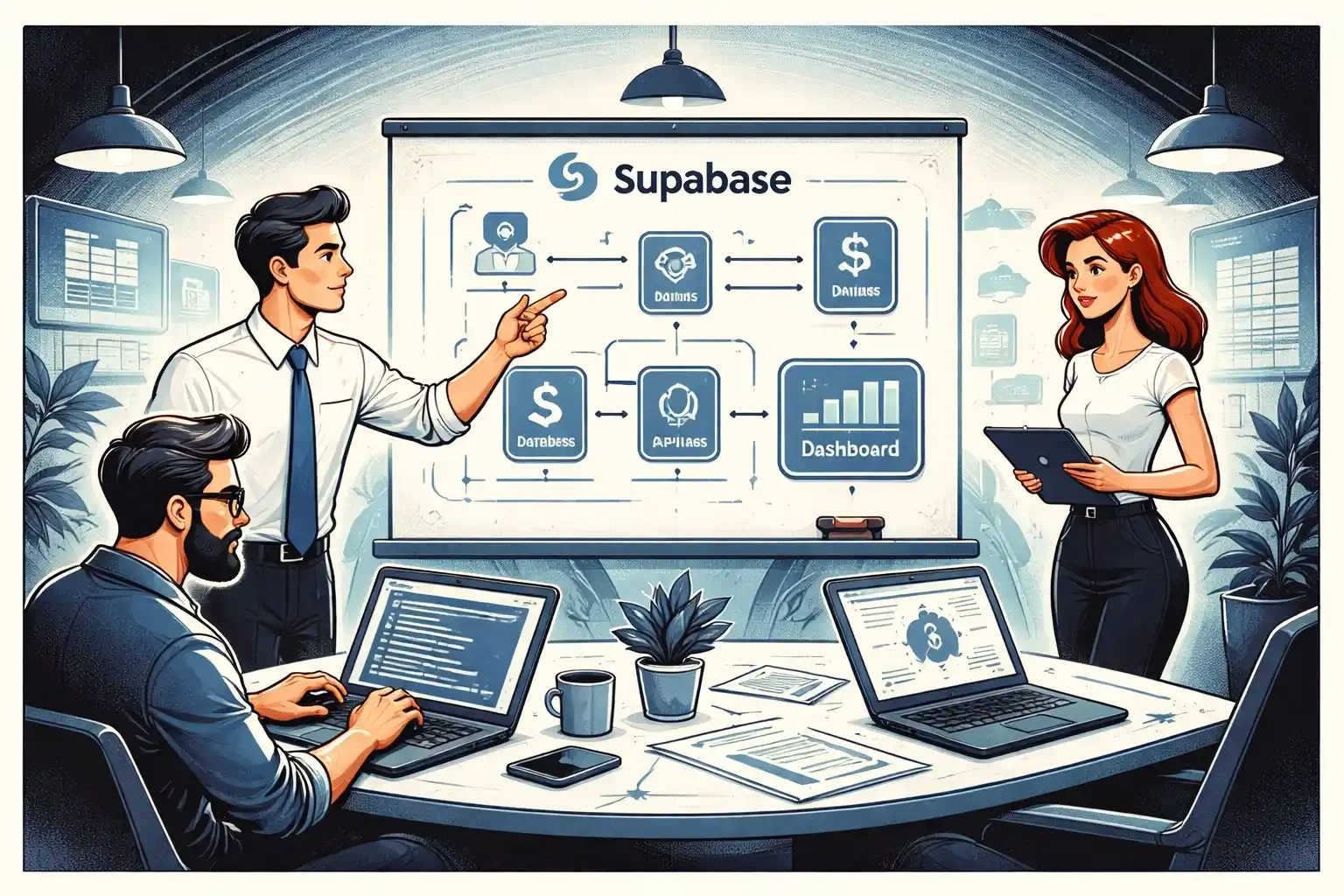
If your team is making backend decisions early, a clear overview helps. See Web App Development for Startups: Architecture Basics for Non-Tech Founders.
Where founders accidentally create compliance risk
These are the patterns we see most often:
- Adding “social” features too early (messages, community posts) without moderation and privacy planning
- Recording sessions or storing sensitive notes without clear retention rules
- Uploading learner-generated content without a clear consent flow
- Treating analytics tools as harmless, while they may collect identifiers
In practice, you can still move fast — you just need to decide what you will not ship in v1.
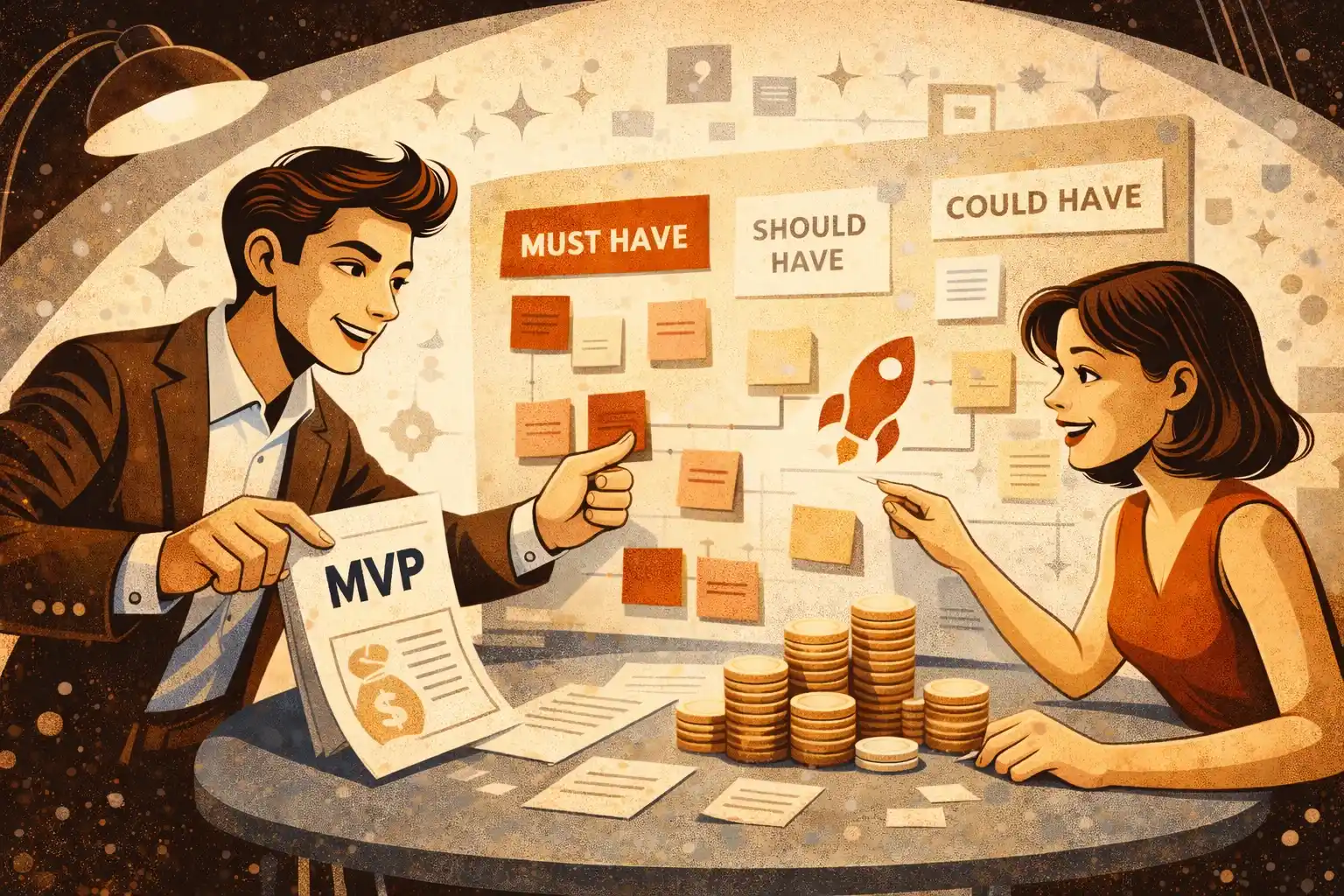
If you want a clearer way to cut scope without losing value, read How to Prioritize Features When You’re Bootstrapping Your Startup.
A simple EdTech MVP plan for 2026
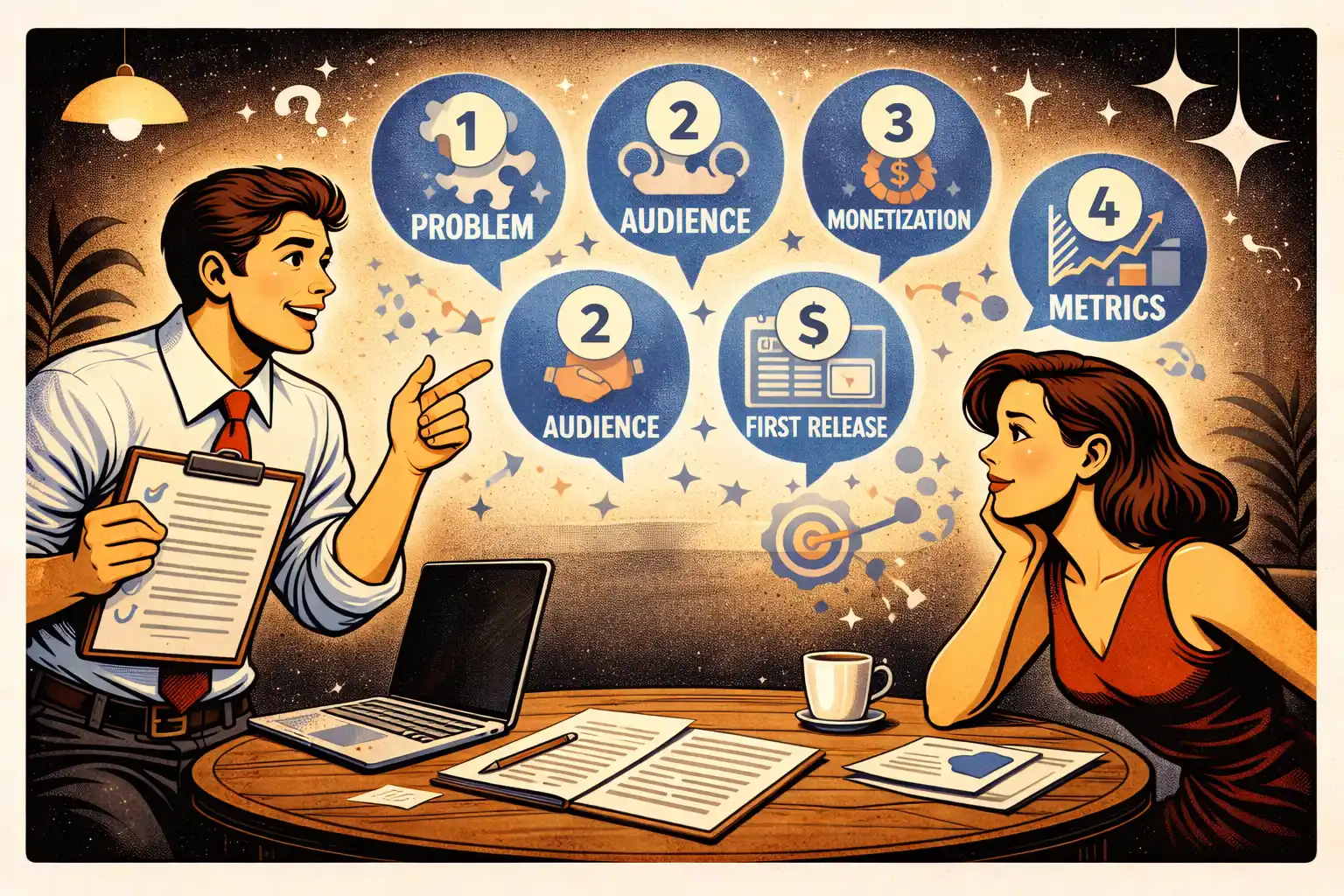
If you want speed without chaos:
- Define one learner outcome.
- Build one repeatable learning loop.
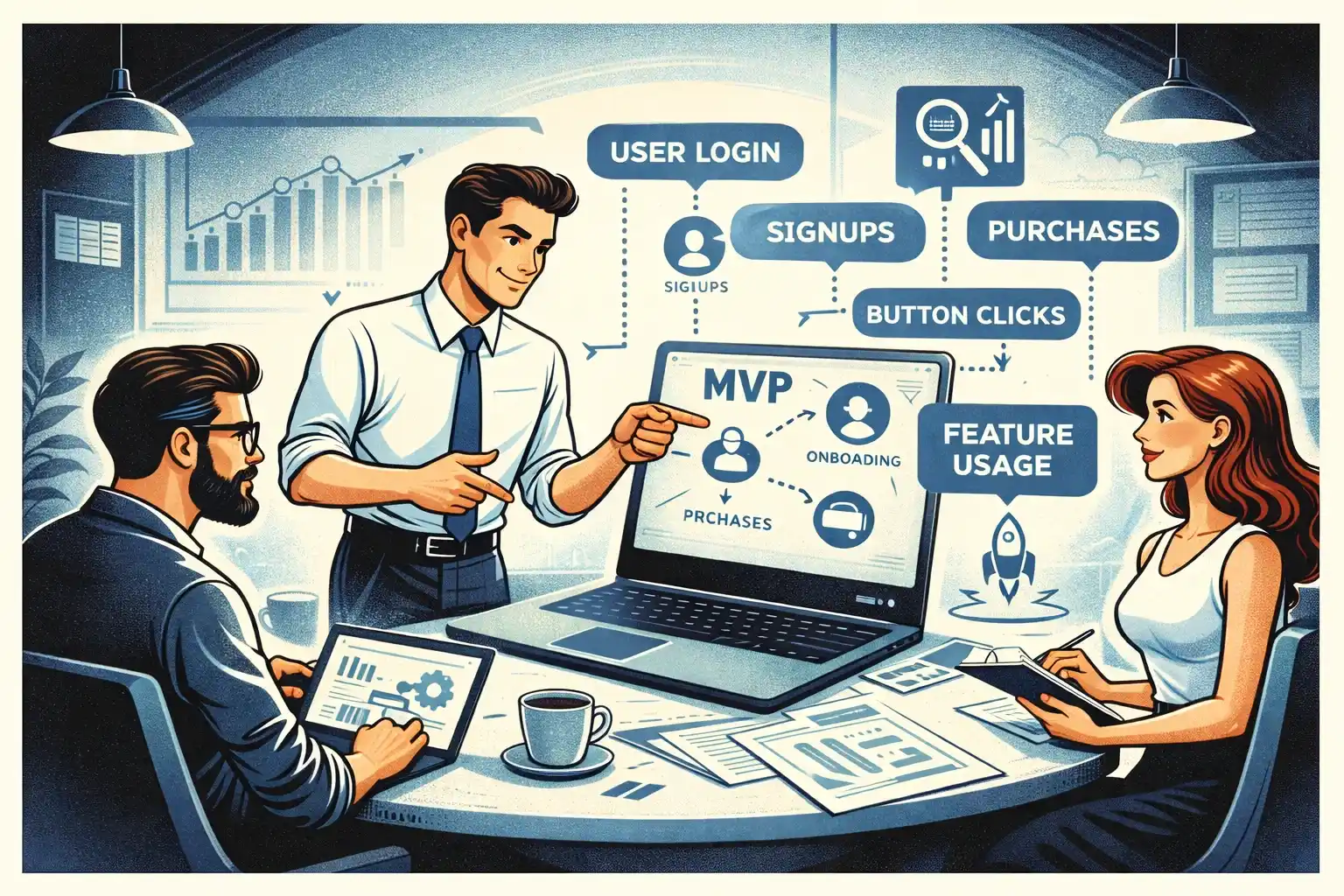
- Add basic measurement (activation and week-1 return).
- Add privacy basics early (consent, deletion, access control).
- Launch to a small cohort and iterate weekly.
This “learn fast, ship small” approach is also why we recommend avoiding overly complex first versions. It’s one of the themes in MVP Development for Non-Technical Founders: Common Mistakes.
Thinking about building an EdTech app in 2026?
At Valtorian, we help founders define a focused MVP, launch fast, and build the right compliance foundation — without turning the project into a six-month platform build.
Book a call with Diana
Let’s talk about your idea, scope, and fastest path to a usable MVP.
FAQ
What’s the minimum feature set for an EdTech MVP?
One learning loop: content - action - feedback - return. Everything else is optional until you prove repetition.
Do I need compliance work at MVP stage?
You don’t need enterprise-level compliance, but you do need privacy-by-design basics so you don’t rebuild later.
What if my product might be used by minors?
Treat that as a serious requirement early: reduce data collection, clarify eligibility, and plan consent/controls.
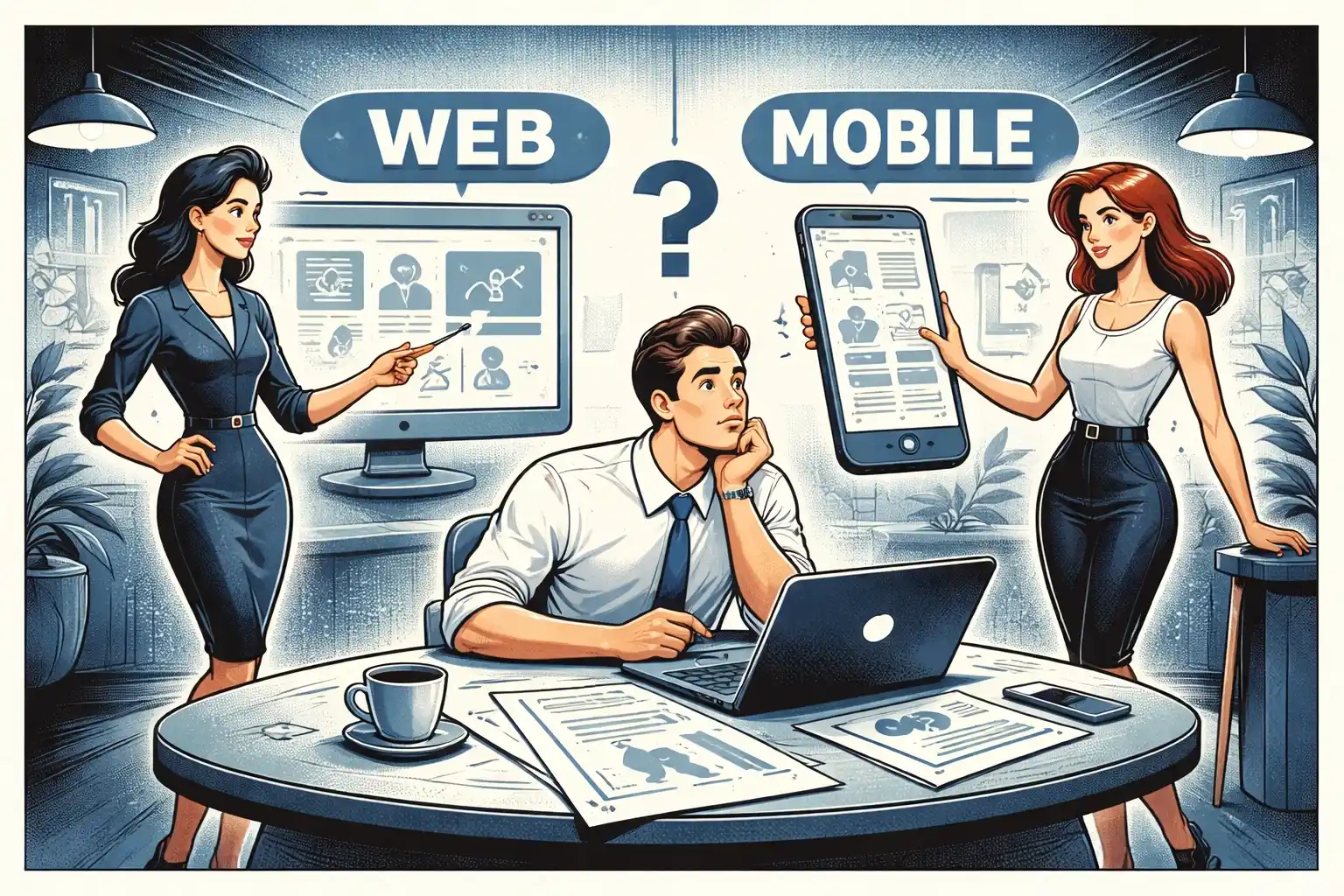
Should I build a web app or mobile app first for EdTech?
It depends on your users. Web is often faster to validate; mobile can win when daily habits and notifications matter.
Can I use AI in an EdTech MVP safely?
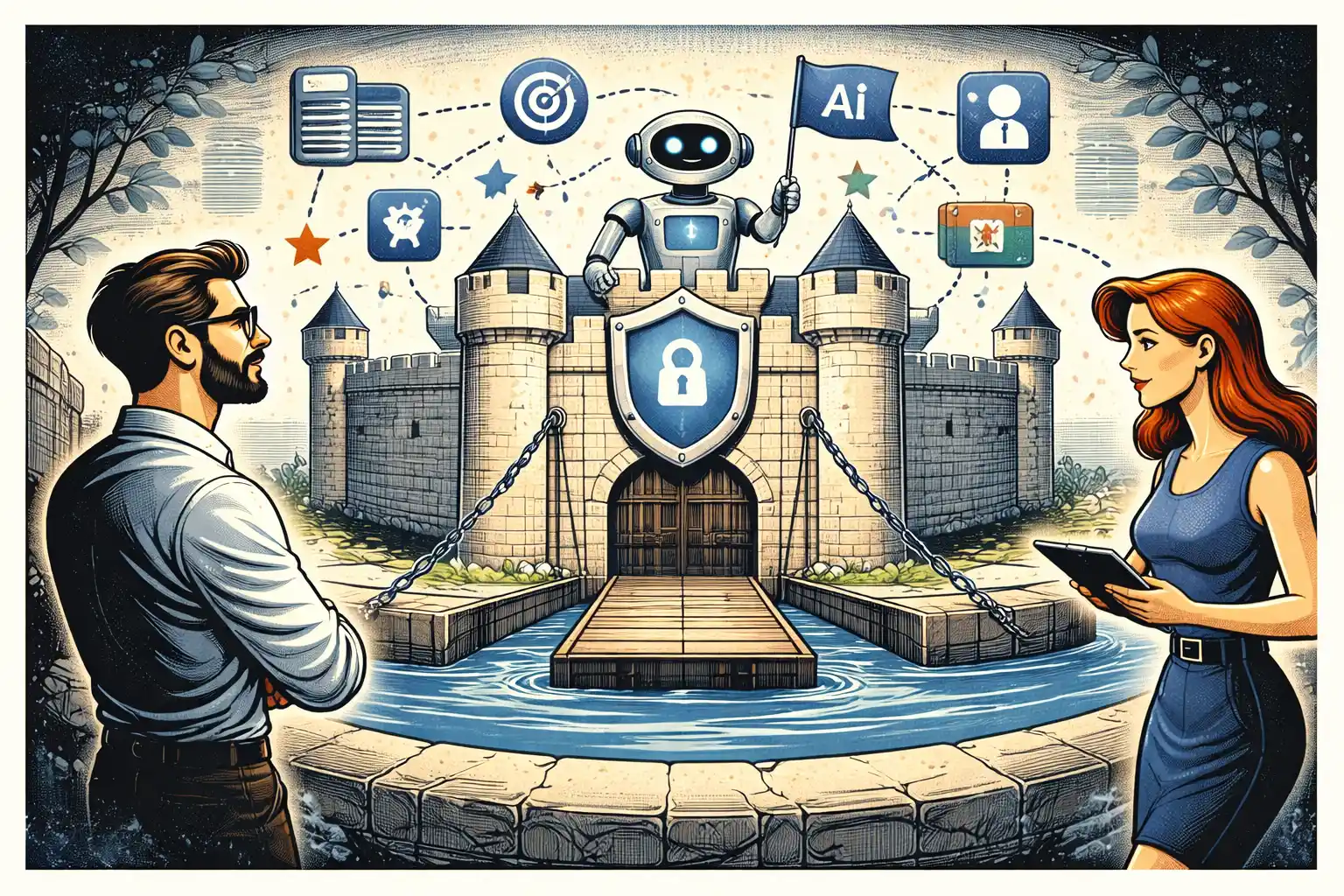
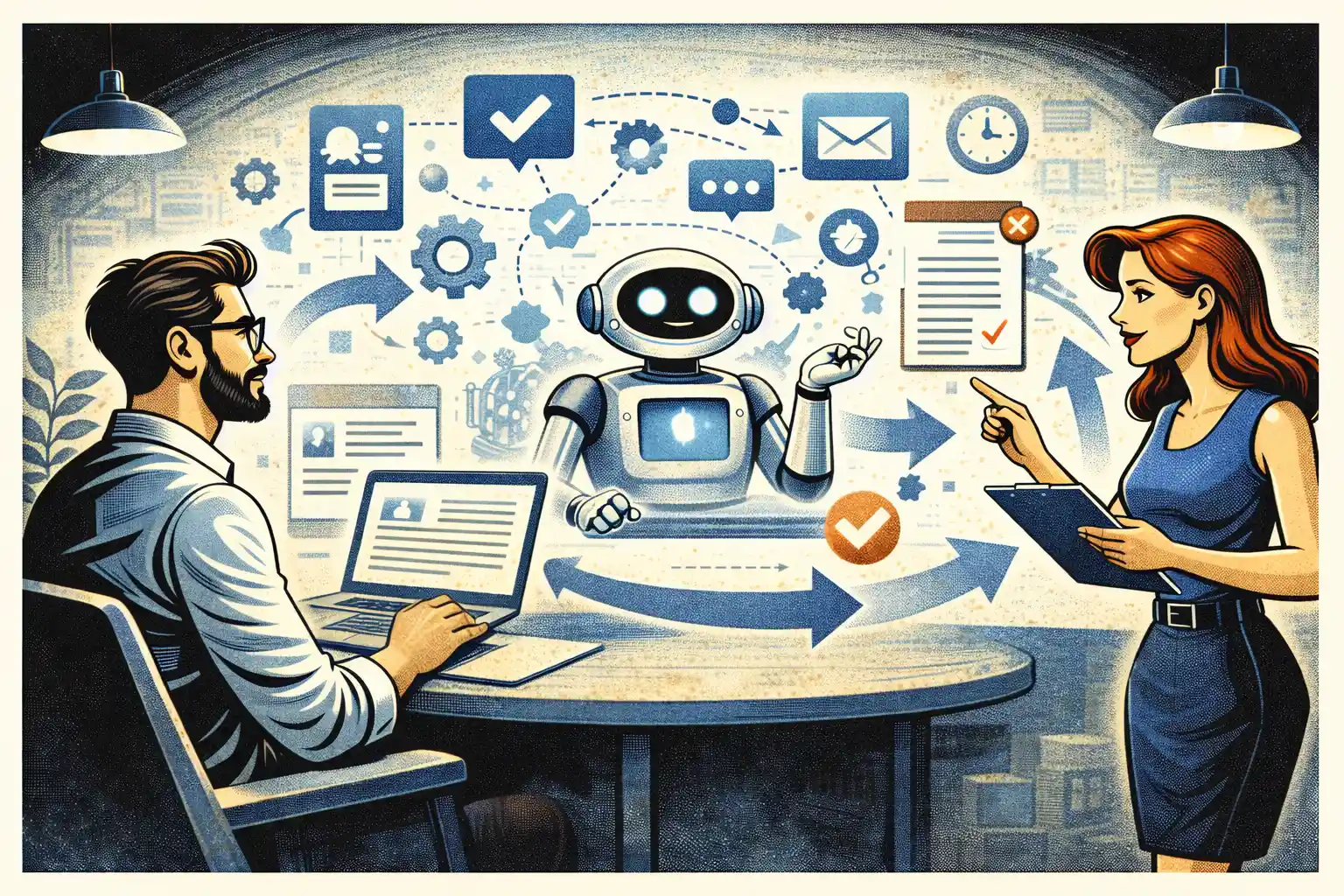
Yes, but keep boundaries clear, avoid collecting unnecessary sensitive data, and design for predictable learner outcomes.
What’s the biggest EdTech MVP mistake in 2026?
Trying to build a full platform before you’ve proven one workflow learners repeat weekly.






















.webp)




.webp)