.webp)
Affordable MVP Development for Startups on a Realistic Budget
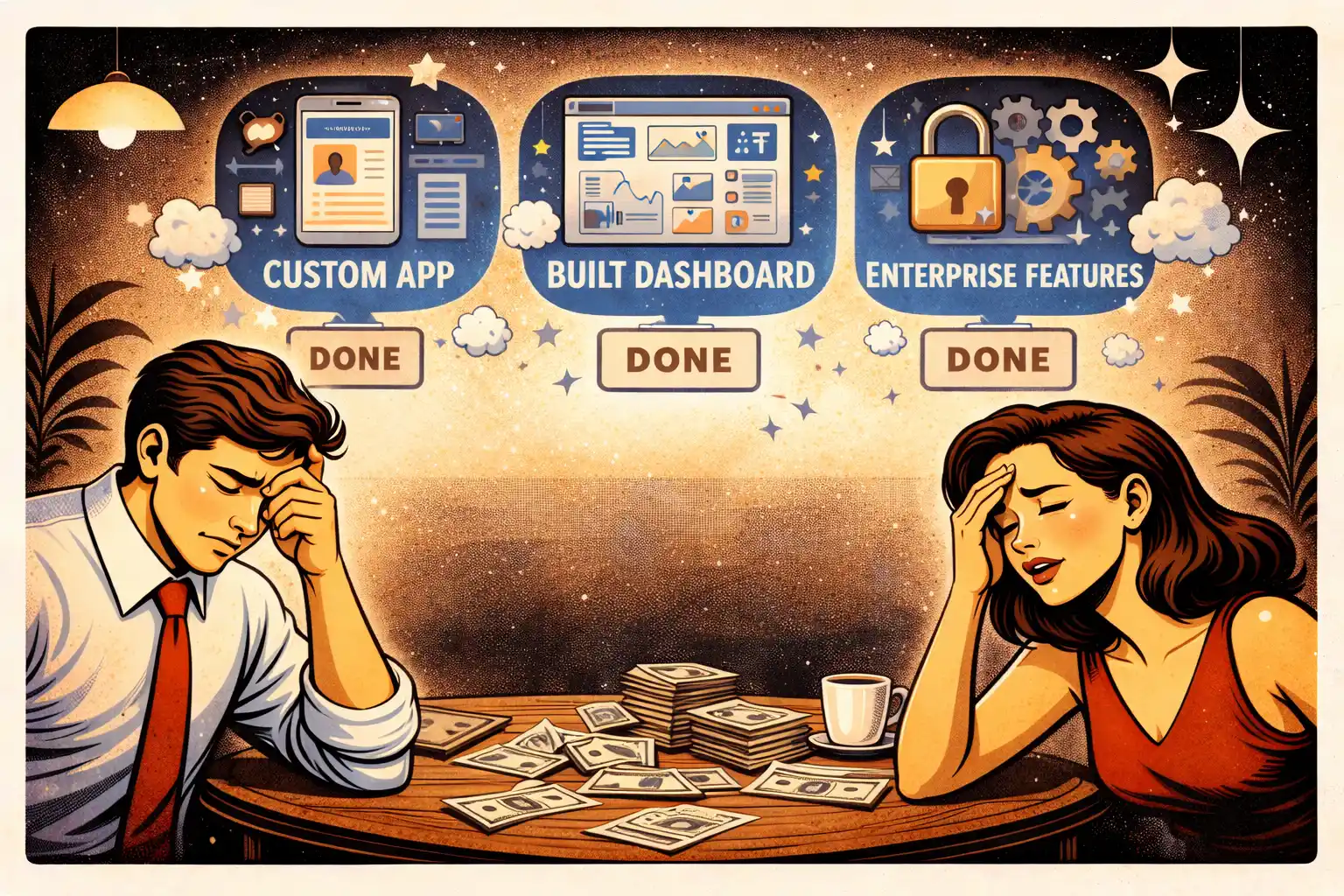
Many founders look for “cheap MVP development” and end up paying twice — first for the wrong product, then for rebuilding it properly. Affordable MVP development is not about the lowest price, but about making smart scope, tech, and process decisions. This article explains how startups can build a real, testable MVP on a realistic budget, what costs are unavoidable, and where founders can safely save money without hurting validation.

TL;DR: An affordable MVP is not a stripped-down product built cheaply — it’s a focused version built intentionally. Startups save money by defining scope correctly, choosing the right team model, and avoiding overengineering. Cutting the wrong corners usually increases cost later.
Why “cheap MVP development” is the wrong goal
Founders often ask how to build an MVP as cheaply as possible.
The better question is how to build an MVP efficiently.
Cheap MVPs usually fail because they:
- lack clear scope
- ignore product logic
- require major rewrites after launch
Affordable MVP development means spending money where it matters and saving it where it doesn’t.
What makes an MVP affordable — and what doesn’t
An MVP becomes affordable when:
- it solves one clear problem
- it supports a single primary user flow
- it avoids features that don’t validate demand
It becomes expensive when:
- multiple roles and edge cases are added early
- scalability is prioritized before traction
- development starts without validation
If you want to avoid early mistakes, “MVP Development for Non-Technical Founders: Common Mistakes” breaks them down clearly.
Start with validation, not development
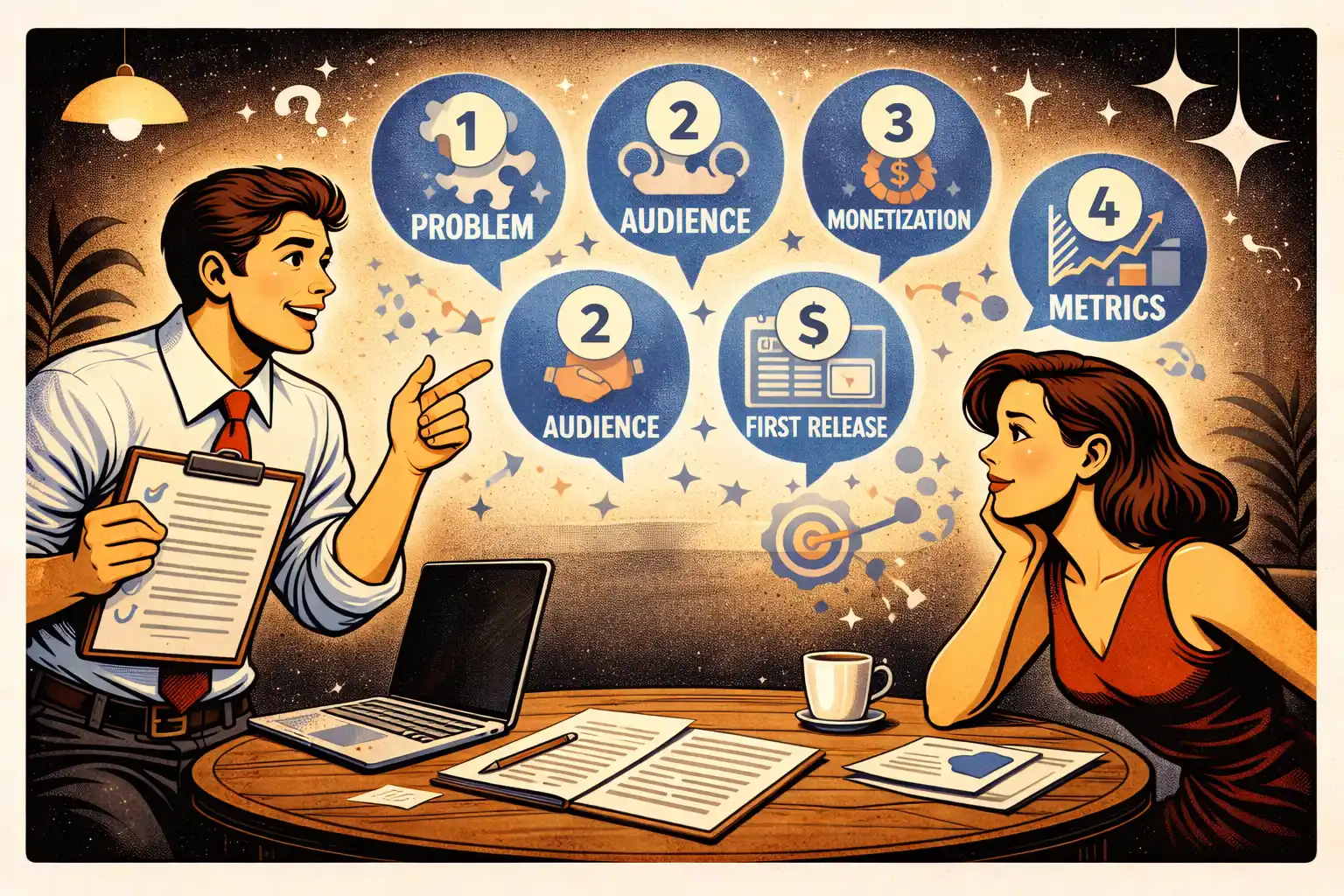
The fastest way to reduce MVP cost is to validate before building.
Validation helps you:
- cut unnecessary features
- refine your core value proposition
- build with confidence
If you haven’t validated yet, “Validate a Startup Idea Before Development: 5 Experiments That Work” explains how to do this without code.
Scope decisions that protect your budget
Affordable MVPs usually include:
- one main user role
- basic authentication
- a single core workflow
- manual processes behind the scenes
They usually exclude:
- advanced dashboards
- complex permissions
- automation that users haven’t asked for
For realistic scope planning, “MVP Development Services for Startups: What’s Actually Included” clarifies what belongs in v1.
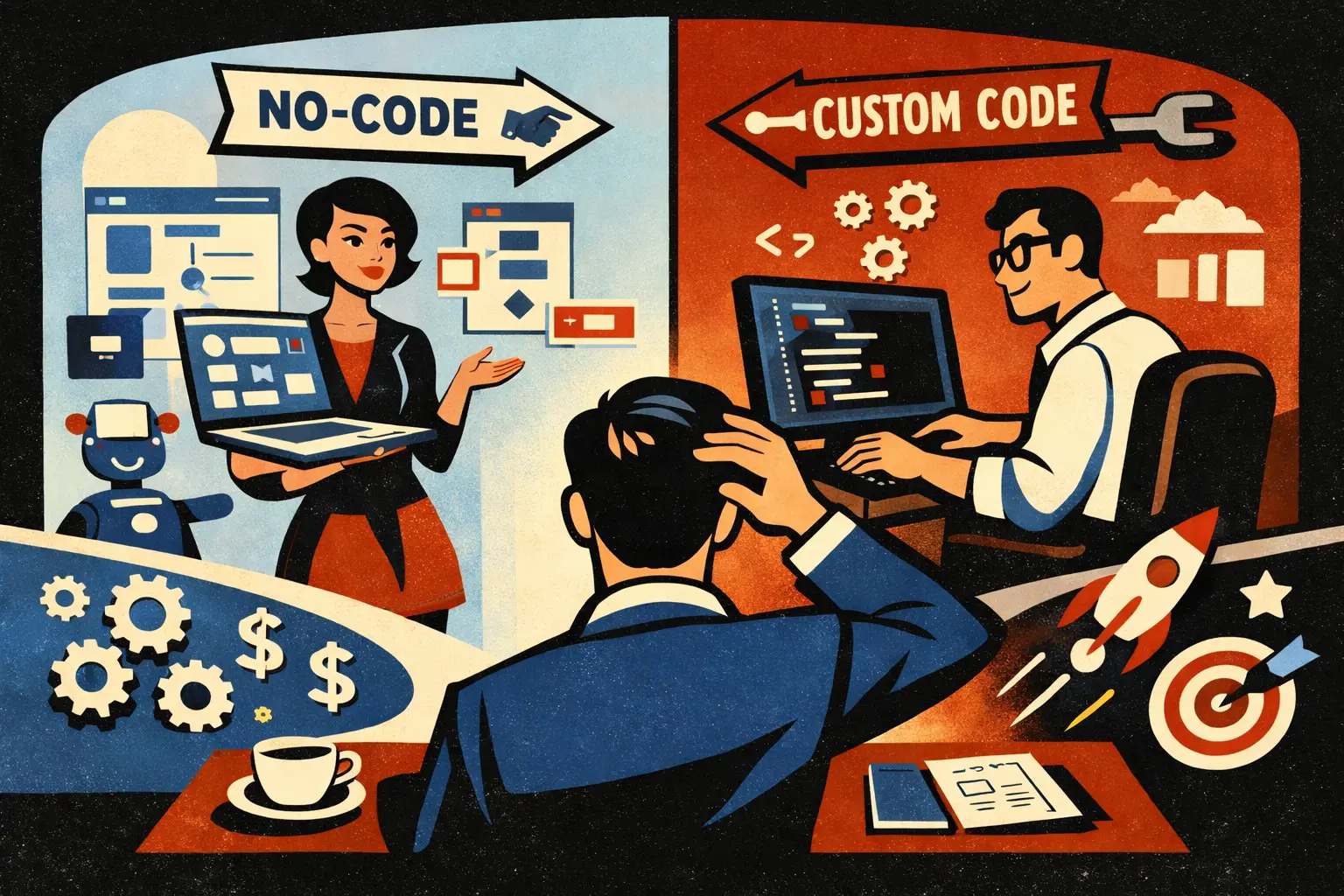
Choosing the right development approach
Your team model heavily affects cost.
Common options include:
- freelancers
- in-house hires
- small product-focused studios
Freelancers may look cheaper but often increase coordination and rework costs.
In-house teams are expensive before validation.
Studios focused on MVPs often provide the best cost-to-outcome ratio.
For a clear comparison, “Startup App Development Company vs Freelancers vs In-House Team” walks through the trade-offs.
Technology choices that keep costs under control
Affordable MVPs rely on:
- proven, well-supported frameworks
- simple architectures
- minimal custom infrastructure
“Boring” tech is often cheaper long-term.
If backend decisions are a concern, “Supabase vs Firebase for Your Startup MVP Backend” offers a practical comparison.
Timeline expectations for affordable MVPs
A realistic MVP timeline is usually:
- 4–6 weeks for a focused web MVP
- 6–8 weeks for more complex flows
Longer timelines often indicate scope issues, not technical complexity.
If speed matters, “How to Launch an App in Weeks: Fast MVP and First Version Launch Framework” outlines a proven approach.
Where you should never try to save money
Some areas are risky to cut:
- core UX and usability
- security basics
- clear code ownership and documentation
Saving here usually leads to higher costs later.
For budgeting context, “MVP Development Cost Breakdown for Early-Stage Startups” explains unavoidable expenses.
Final takeaway
Affordable MVP development is about discipline.
Define less. Build smarter. Launch sooner.
A realistic budget paired with clear scope beats a “cheap” MVP every time.
Trying to build an MVP without burning your entire budget?
At Valtorian, we help startups design affordable MVPs that are realistic, testable, and ready for real users — without unnecessary complexity.
Book a call with Diana
Get clarity on scope, budget, and the most cost-efficient path to launch.
FAQ — Affordable MVP Development
What is a realistic budget for an MVP?
It depends on scope, but clarity reduces cost more than negotiation.
Is affordable MVP development risky?
Only if you cut essential product or security decisions.
Can I build an MVP with freelancers?
Sometimes, but coordination costs often offset savings.
How do I avoid rebuilding my MVP?
Validate early and avoid overengineering.
When should I increase the budget?
After you see real user traction.
Is it better to build fast or cheap?
Fast with clear scope usually costs less.
What’s the biggest budget mistake founders make?
Building features before validating demand.






















































.webp)




.webp)