.webp)
How Long MVP Development Takes in 2026
Most founders underestimate MVP timelines in 2026—not because development is slow, but because decisions, scope creep, and integrations steal weeks. In this article you’ll learn what actually drives MVP duration, the realistic time ranges for each phase (scope, design, build, QA, launch), and the hidden steps that delay releases like payments, app store reviews, and analytics setup. You’ll also get a simple way to plan your launch date and a checklist to keep the first version small, measurable, and shippable.
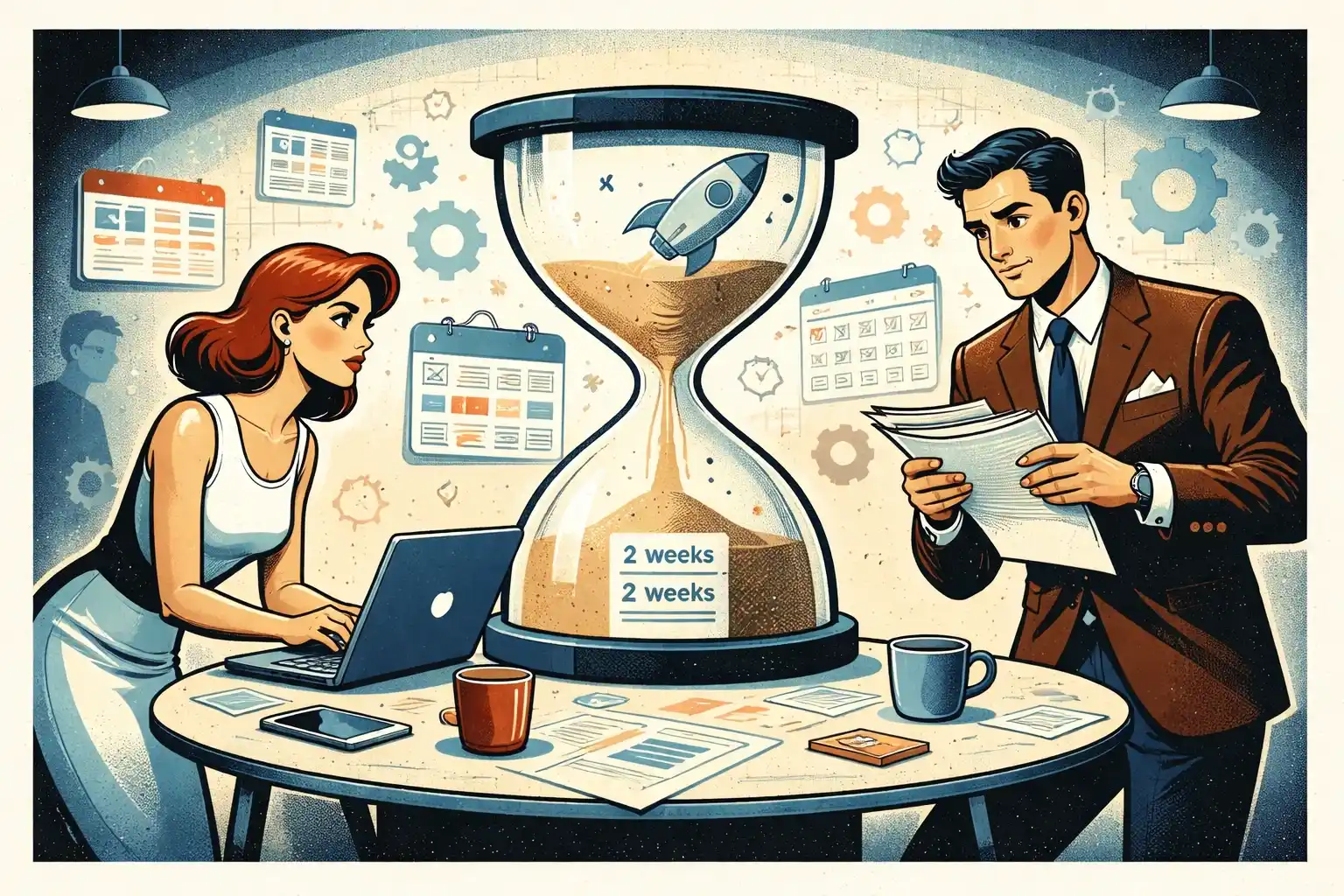
TL;DR: A “fast MVP” in 2026 is usually a decision-fast MVP, not a code-fast MVP.If scope is tight and dependencies are controlled, a first usable version can often ship in ~4–8 weeks; if integrations, compliance, or stakeholder loops grow, expect ~8–14+ weeks.
The real answer: it depends on scope, decisions, and dependencies
Founders often ask for a single number: “How many weeks?” The honest answer is: MVP timeline is mostly a function of how many unknowns you allow into the build.
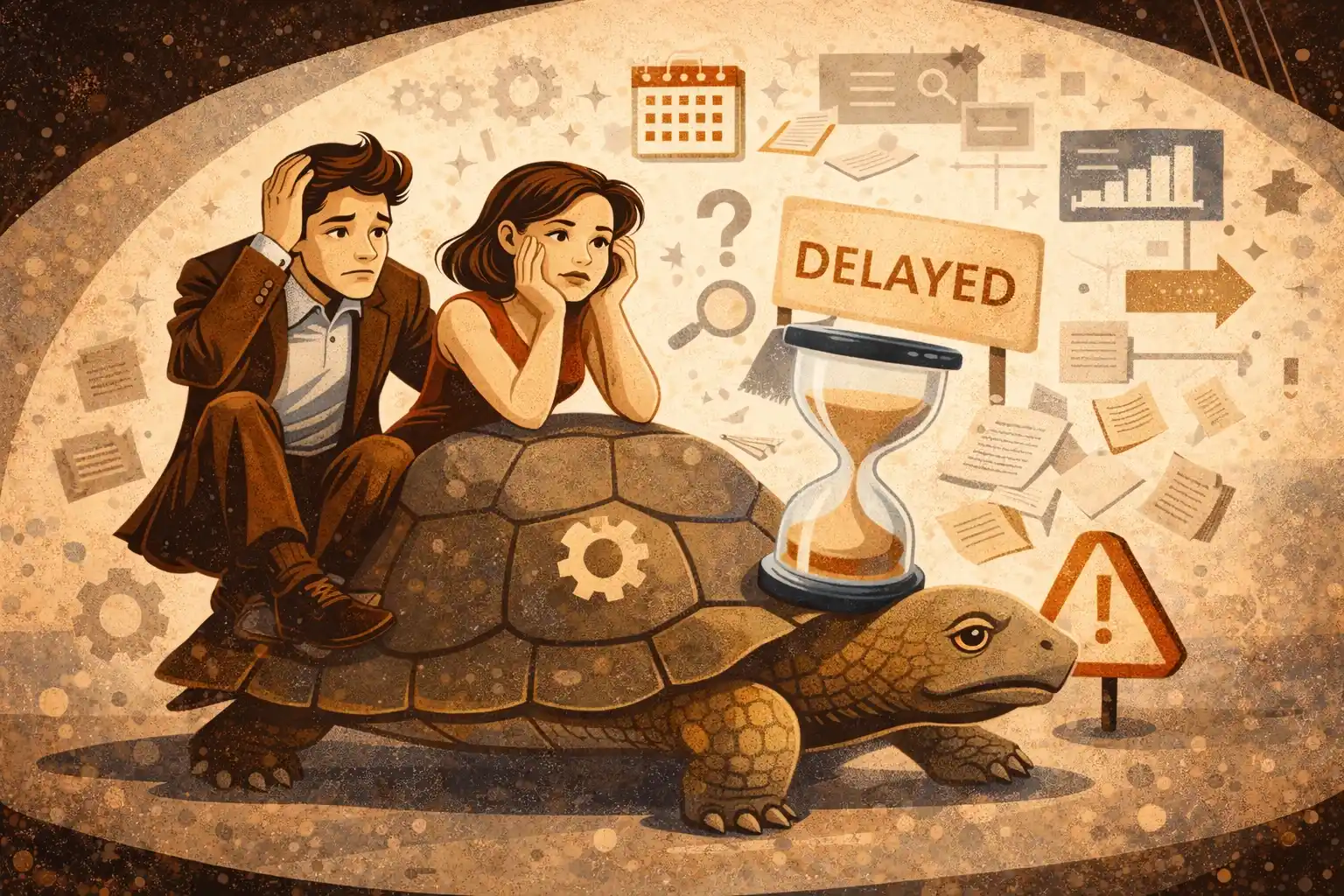
In 2026, development itself is rarely the bottleneck. The bottlenecks are:
- unclear “done”
- late feature changes
- third-party dependencies (payments, auth, APIs)
- slow approvals and feedback loops
If you want a quick gut-check on what usually gets included in an MVP engagement (and what doesn’t), see MVP Development Services for Startups: What’s Actually Included.
A realistic MVP timeline (phases you can actually plan)
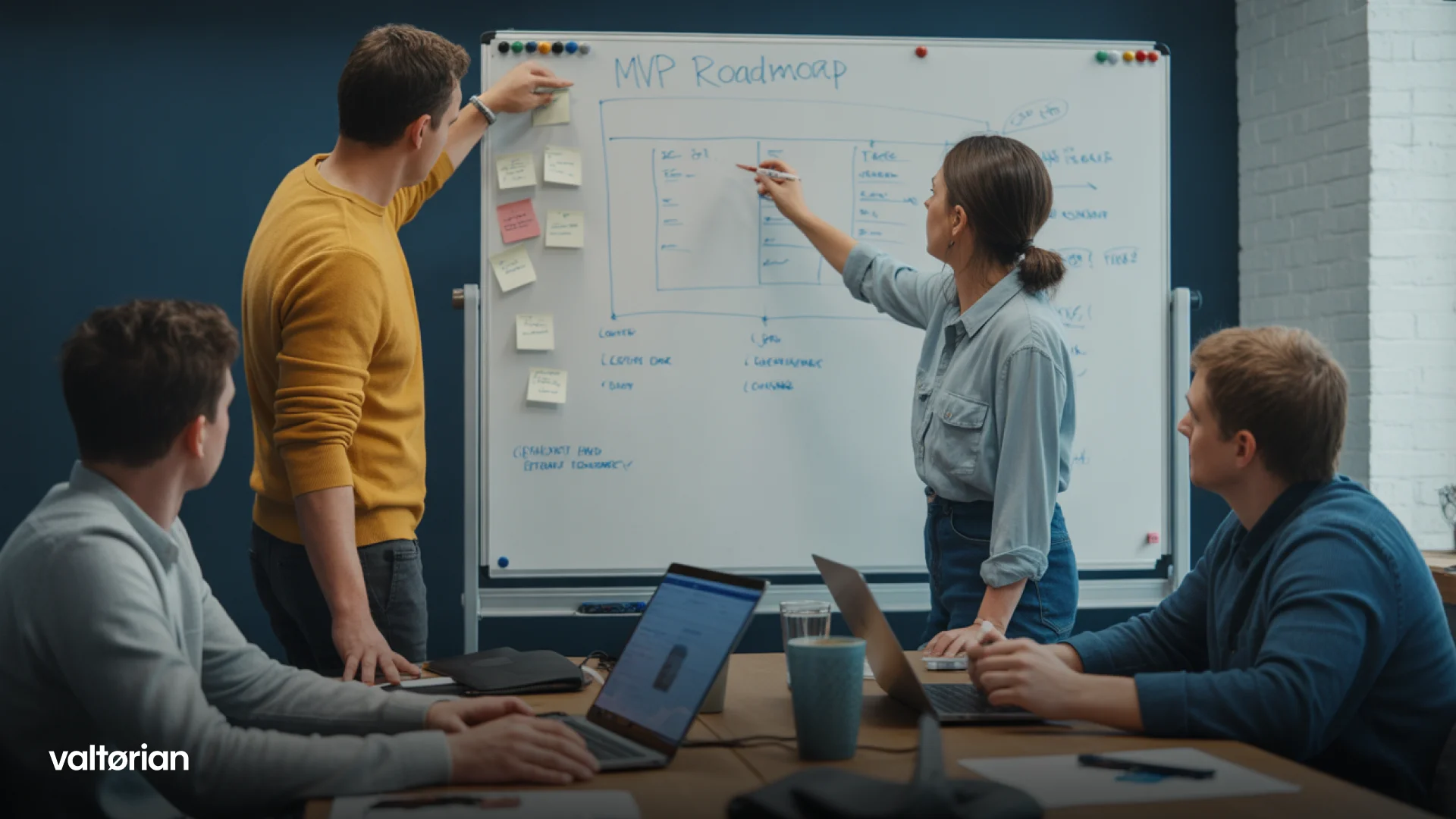
Below is a founder-friendly way to think about the timeline. These are typical ranges for early-stage MVPs when the team is experienced and scope is controlled.
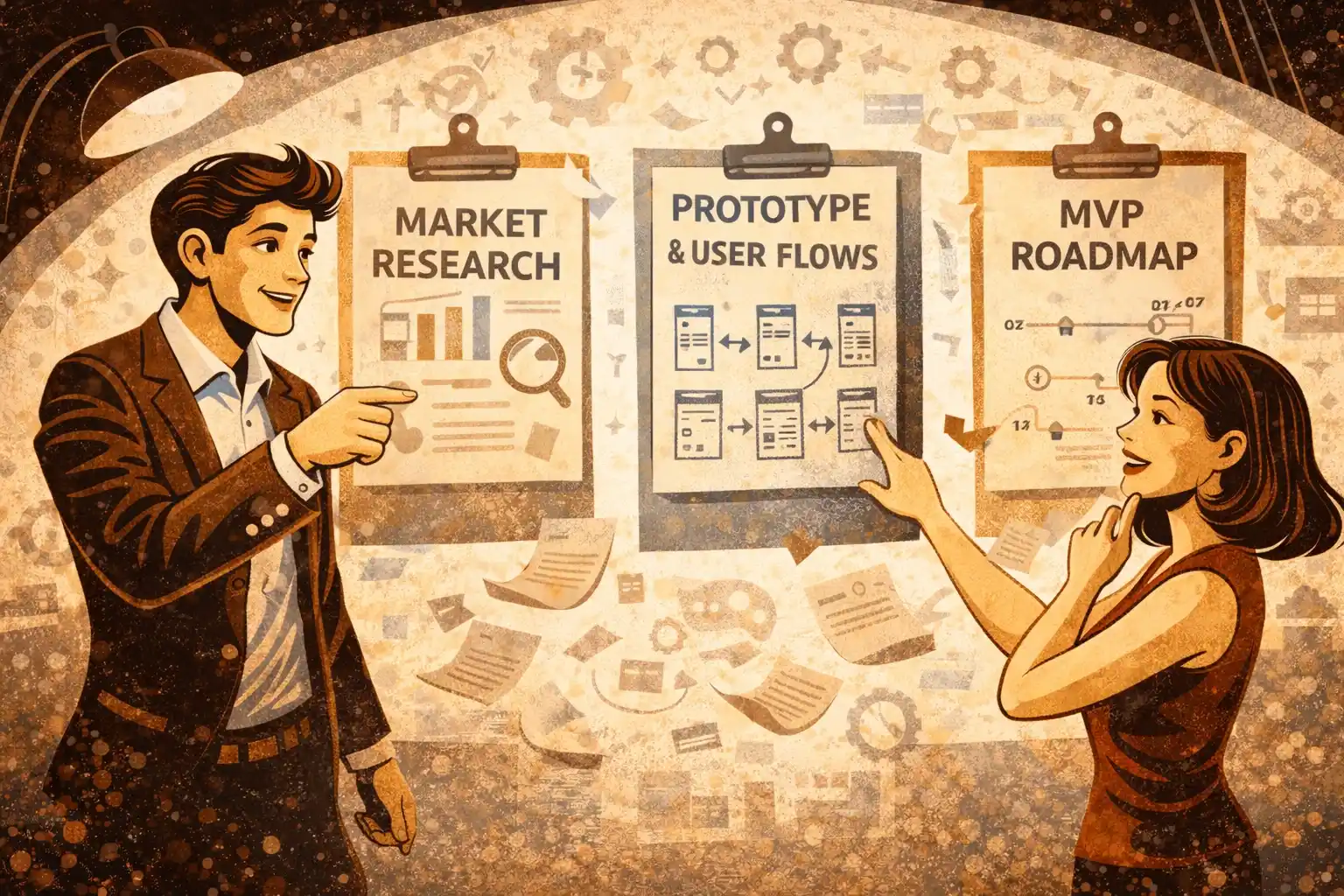
1) Scope & “definition of usable” (3–7 days)
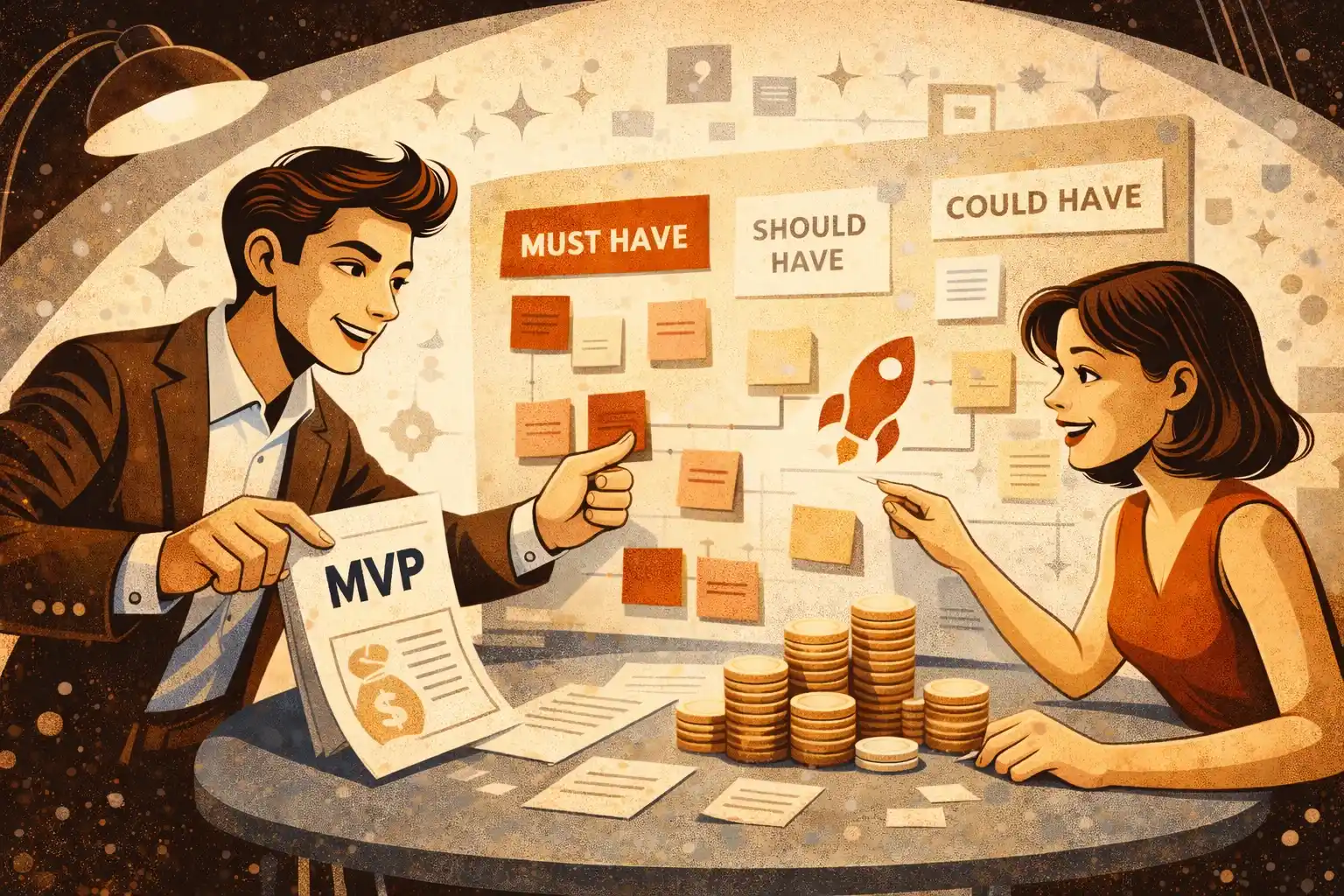
This is where time is saved or lost. You’re not listing features—you’re defining:
- the one workflow that proves value
- what data is truly required
- what can be manual behind the scenes for v1
If scoping is hard, you’ll likely recognize the patterns in MVP Development for Non-Technical Founders: 7 Costly Mistakes.
2) UX/UI design (1–3 weeks)
Design time expands fast when:
- you’re still deciding the product logic
- there are many roles (admin + user + vendor)
- the app is “new category” and needs education
If you already have solid references and a clear flow, design can be faster.
3) Development (2–6+ weeks)
Development time depends on:
- platform count (web only vs web + mobile)
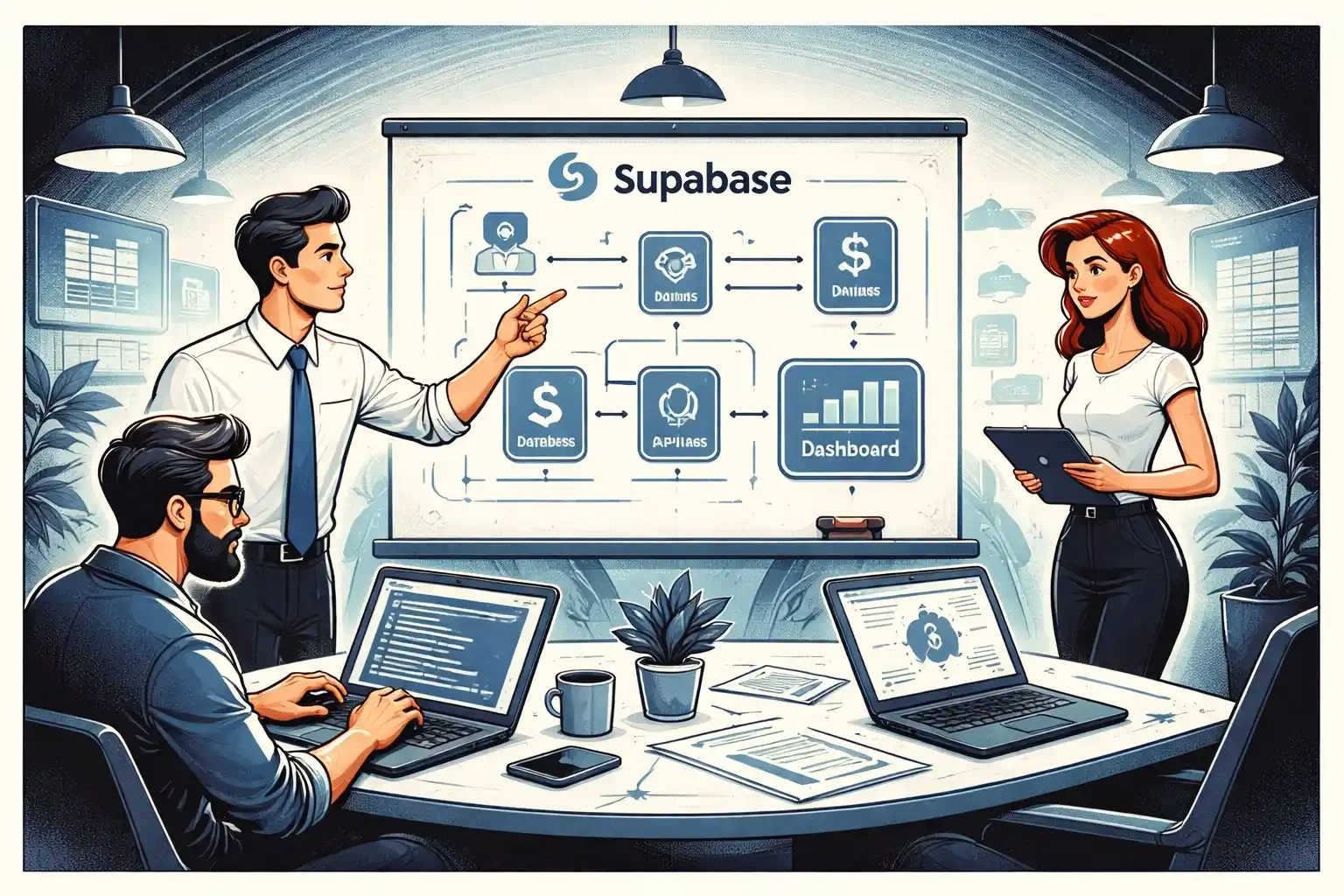
- integration load (payments, maps, email, CRM, etc.)
- data model complexity (roles, permissions, states)
Cross-platform often saves time when you truly want one codebase and one release cadence. If you’re debating it, read Cross-Platform App Development for Startups: When It Makes Sense.
4) QA + stabilization (4–10 days)
Most MVP delays happen here because bugs aren’t the only issue—edge cases are.
QA goes faster when you have:
- clear acceptance criteria per feature
- a small number of user flows
- one place for feedback and prioritization
5) Launch prep (3–10 days)
This includes what founders forget to schedule:
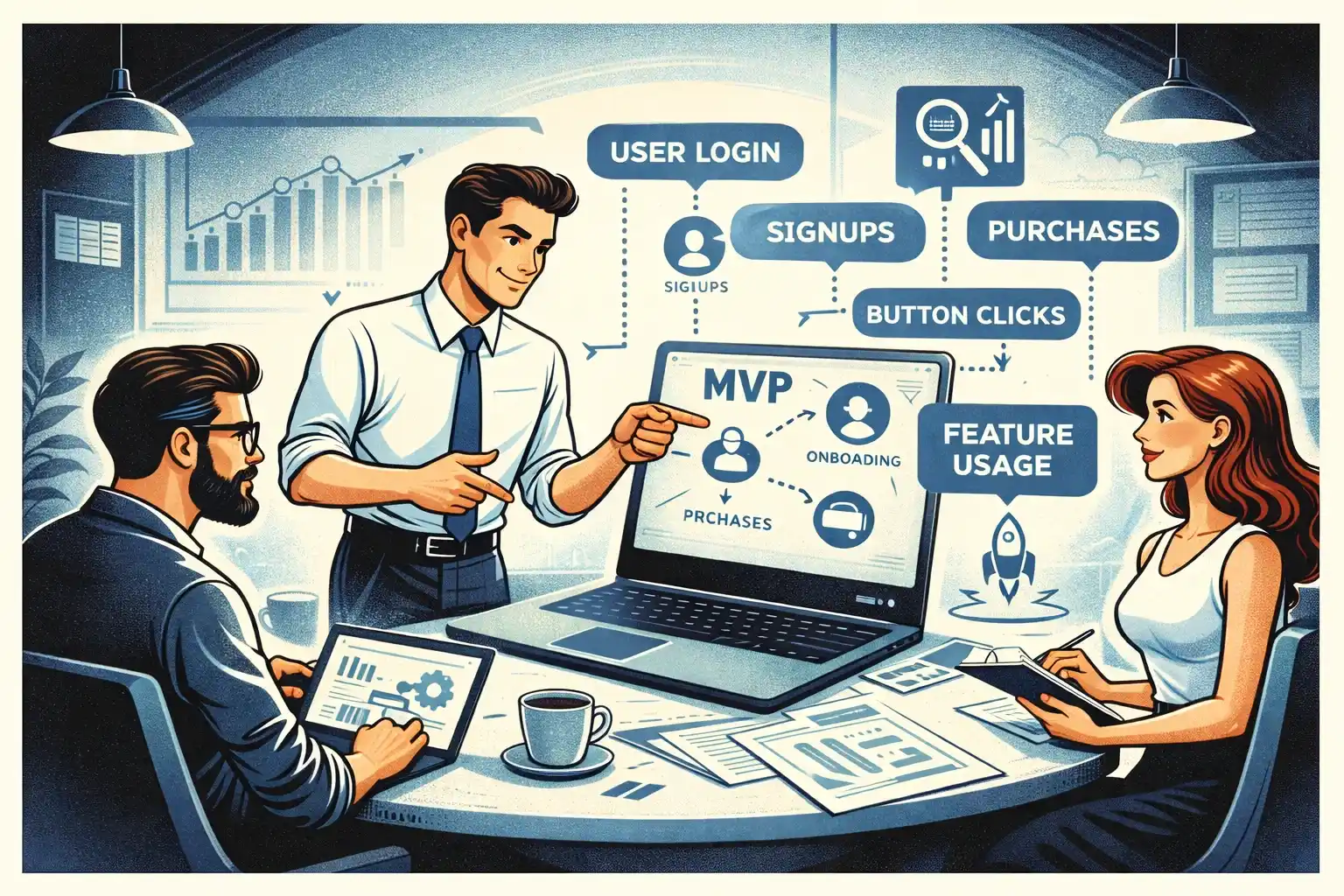
- analytics events + a simple dashboard
- basic onboarding and empty states
- production setup (domains, app store metadata, privacy policy pages)
- app store review time (if mobile)
For a founder-friendly “ship fast” framework, see How to Launch an App in Weeks: Fast MVP and First Version Launch Framework.
What makes MVP timelines explode
If you want to keep your calendar intact, watch for these traps:
- Scope creep that sounds “small”: “Just one more filter,” “Just add a role,” “Just add exports.”
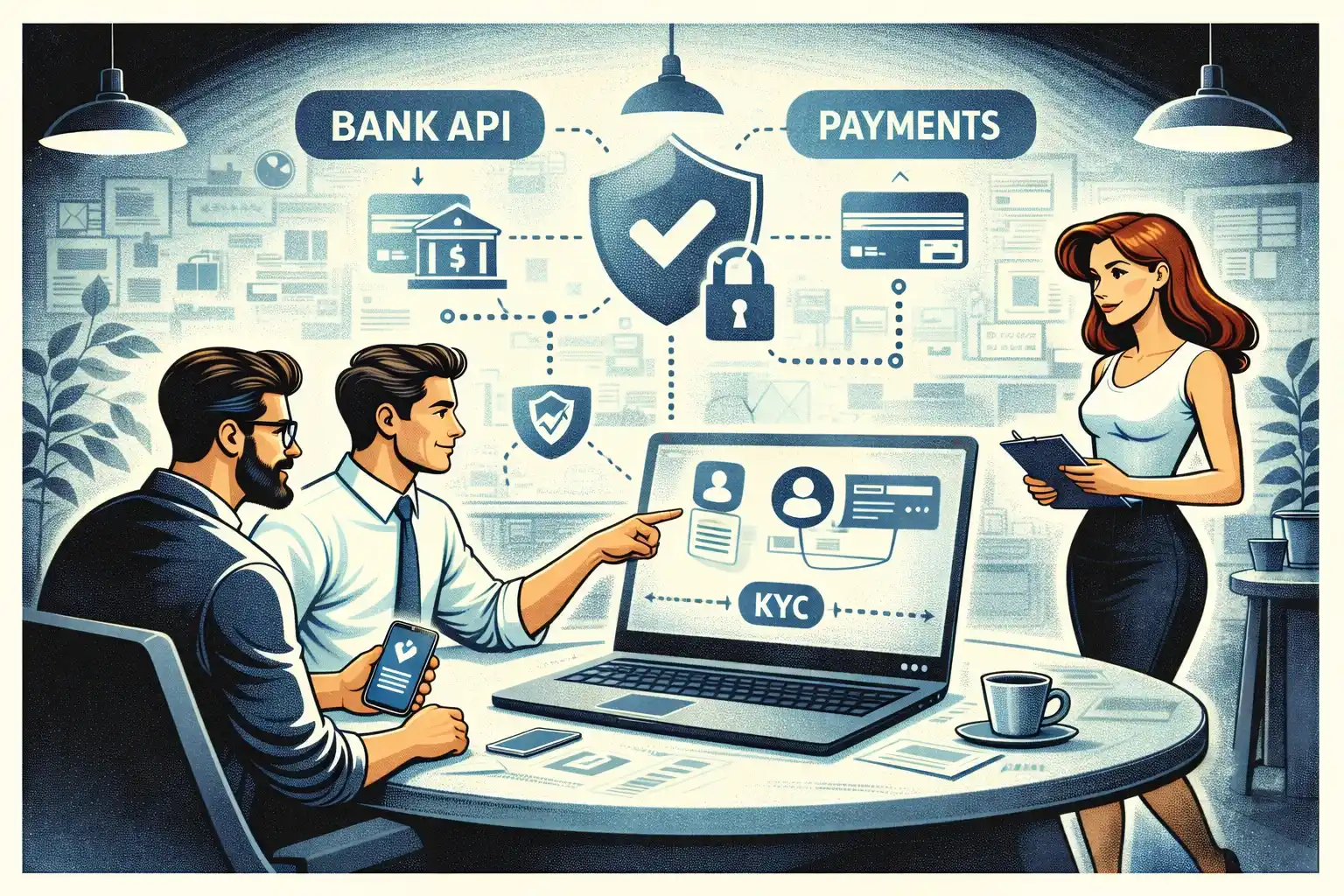
- Integrations you didn’t validate early: payment methods, SMS providers, partner APIs, webhooks.
- Multi-role logic (marketplaces especially): permissions, states, disputes, refunds, moderation.
- Compliance constraints: healthcare/fintech/security requirements can add weeks if introduced late.
- Feedback delays: every “we’ll review it next week” adds a week.
If you’re outsourcing and want to avoid the classic delivery pitfalls, read Outsource Development for Startups: Pros, Cons, and Red Flags.
How to plan a timeline that won’t collapse in week 3
Here’s the simplest planning method that works for non-technical founders:
- Pick a launch goal that is “usable,” not “complete.”
Usable means a real user can finish the core job end-to-end. - Freeze the MVP definition for 2–4 weeks.
You can add ideas to a backlog, but you don’t change what “v1” is. - Make dependencies visible on day 1.
Payments, auth, data sources, and app store requirements should be decided early. - Commit to a weekly demo cadence.
One short demo a week beats long status updates. - Define success metrics before you build.
If you need validation first, align on experiments like in Validate a Startup Idea Before Development: 5 Experiments That Work.
So… how long does it take in 2026?
A practical founder rule of thumb:
- ~4–8 weeks if scope is tight, decisions are fast, and integrations are standard
- ~8–14+ weeks if you add multiple roles, custom workflows, heavy integrations, or compliance requirements
If you want a full view of how timeline connects to traction after launch, read Full-Cycle MVP Development: From Discovery to First Paying Users.
Thinking about building a web or mobile MVP in 2026?
At Valtorian, we help founders design and launch modern web and mobile apps — with a focus on real user behavior, tight scope, and a predictable timeline.
Book a call with Diana
Let’s talk about your idea, scope, and fastest path to a usable MVP.
FAQ
What’s a realistic MVP timeline for a non-technical founder in 2026?
Most founders should plan for ~6–12 weeks end-to-end, because decisions, QA, and launch prep take real time.
Can an MVP be built in 4 weeks?
Sometimes—if it’s one workflow, standard auth, minimal integrations, and fast founder feedback. If any of those aren’t true, timelines stretch quickly.
What should I prepare before development starts?
A clear user problem, a single core flow, example apps you like, and decisions on platform (web vs mobile), auth, and payments.
Does cross-platform always make development faster?
Not always. It’s faster when your MVP scope is shared across platforms and you want one release cadence. It can be slower if you need heavy native features early.
What usually delays mobile MVP launches?
App store review, last-minute privacy/compliance fixes, missed edge cases, and unfinished onboarding/empty states.
Should I do “discovery” first or jump straight into building?
If your workflow is still unclear or you’re unsure who the user is, do a short discovery/validation phase. If demand is already validated, go straight to scoping + build.
How do I prevent scope creep without killing good ideas?
Keep a backlog, but protect the MVP definition. Ship v1, measure real behavior, then earn the right to expand.


















































.webp)




.webp)