.webp)
Pre-Seed Startup Survival in 2026
Pre-seed in 2026 is a weird mix of speed and fragility. You can ship faster than ever, but you can also burn runway faster than ever — mainly through unclear scope, constant rework, and building “impressive” things nobody asked for. In this guide, you’ll learn what actually keeps a pre-seed startup alive: how to decide what to build first, what a realistic MVP looks like, how to avoid expensive mistakes, and how to get to early traction without hiring a full-time dev team.

TL;DR: Pre-seed survival in 2026 is mostly about protecting focus and runway.Pick one narrow user problem, build the smallest useful version, and measure real behavior fast — then iterate.
The new pre-seed reality in 2026
Pre-seed hasn’t gotten easier — it’s just gotten faster.
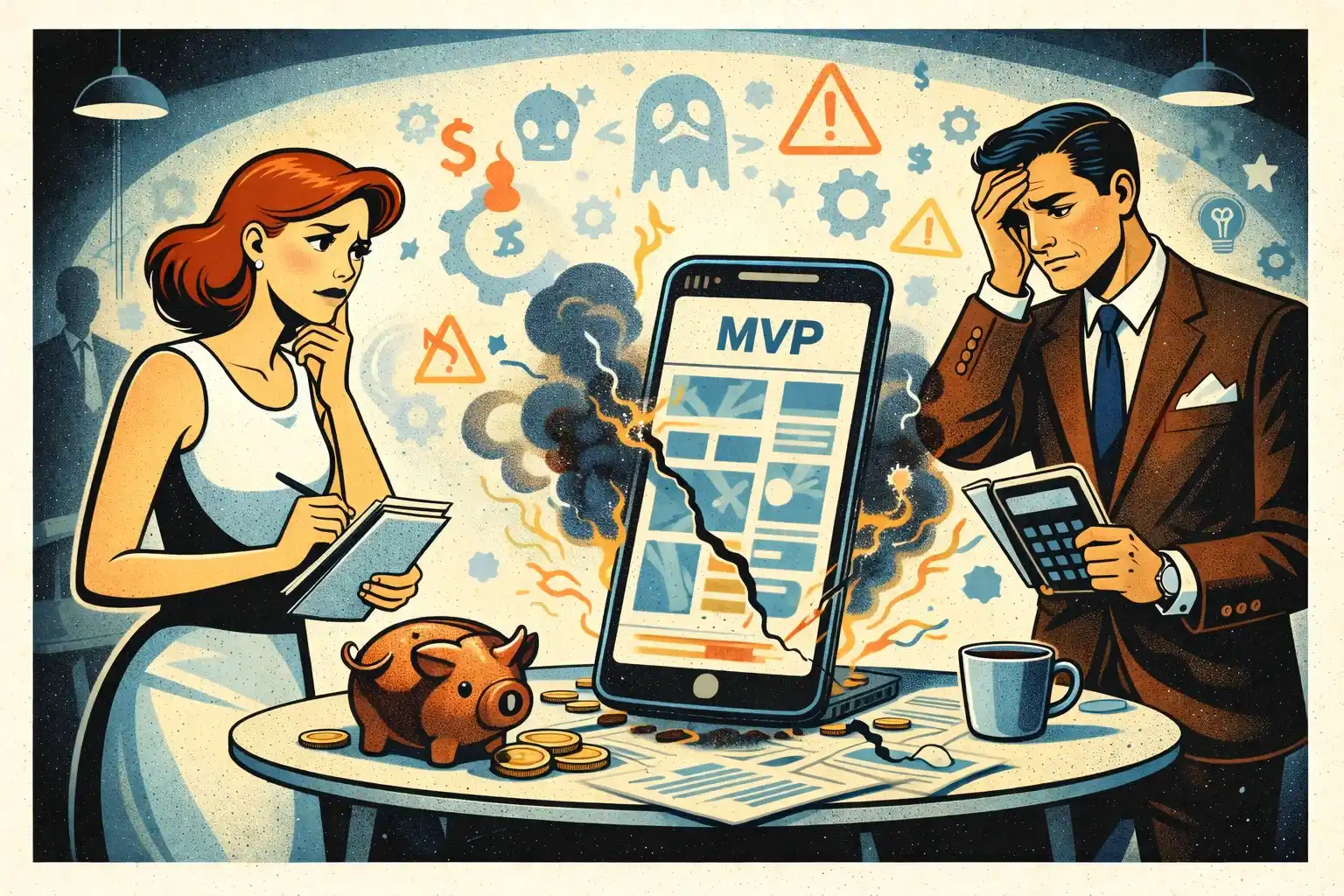
Tools can help you move quickly, but speed amplifies mistakes. If your scope is fuzzy, “faster building” simply means “faster spending” — and then rewriting everything when reality hits.
The goal at pre-seed is not “a full product.” It’s a working first version that proves one thing: real users will do a real action repeatedly.
If you want a simple framing for what you’re building, start with What a Good MVP Looks Like in 2026.
The survival equation: runway × clarity × iteration speed
Most pre-seed founders try to solve runway by cutting costs. That helps — but it’s not the whole equation.
You survive longer when:
- you make fewer wrong bets (clarity),
- you test bets earlier (iteration speed),
- and you don’t accidentally commit to expensive complexity (runway).
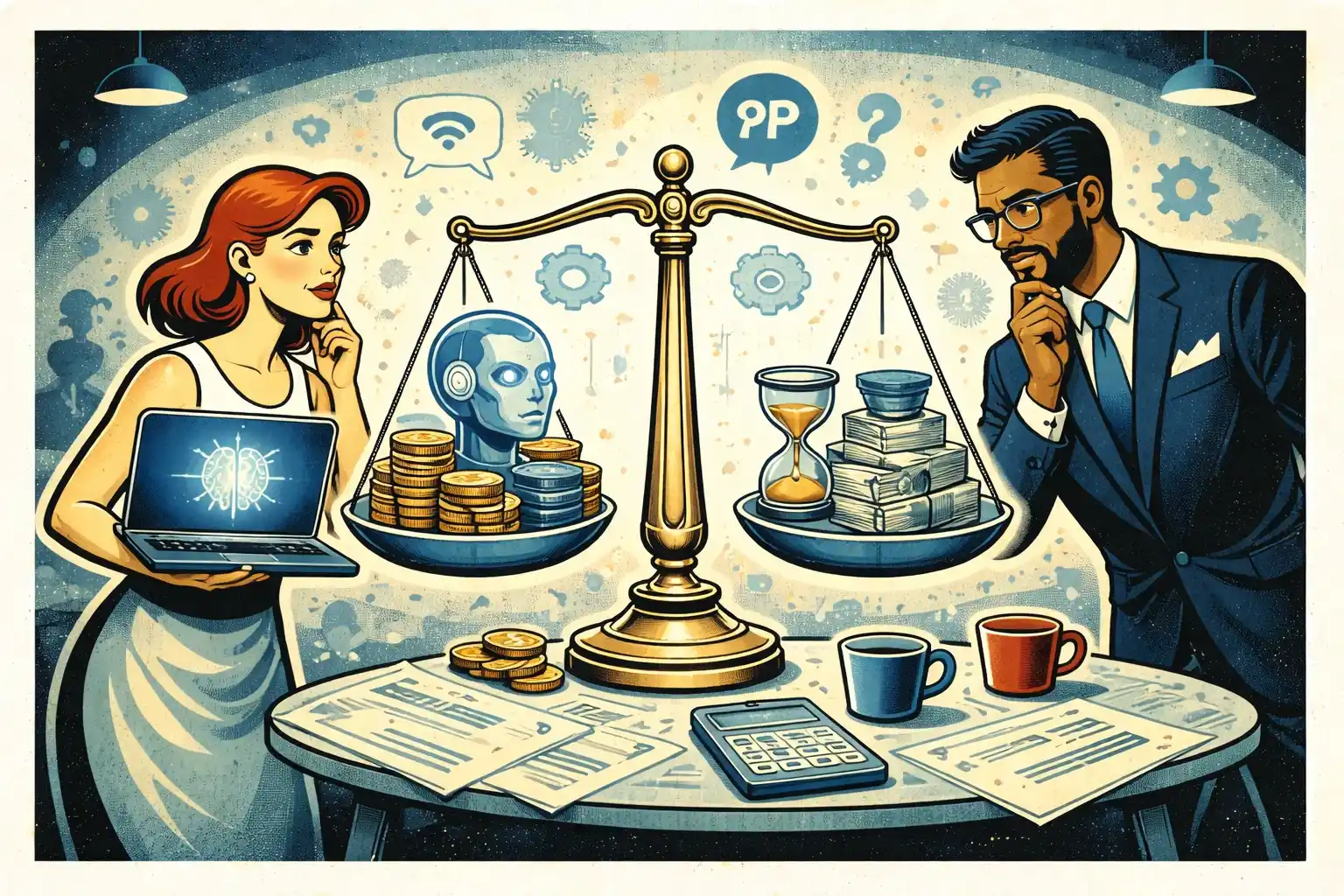
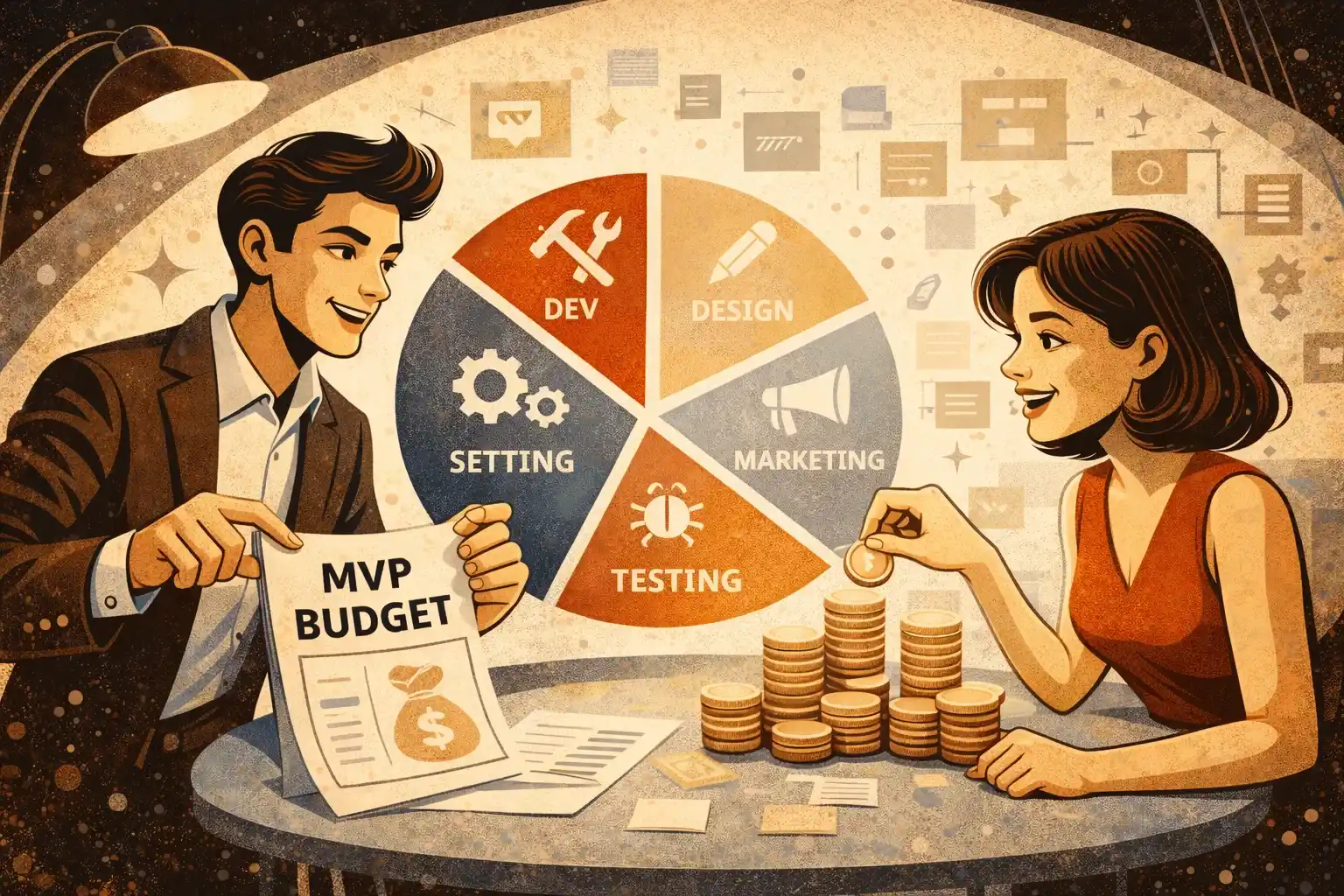
This is why “cheap” work can be the most expensive option. It often creates rework, technical debt, and slower iteration.
If you’ve seen this pattern before (or you’re afraid of it), read Why Cheap MVPs Fail in 2026.
What to build first (when everything feels urgent)
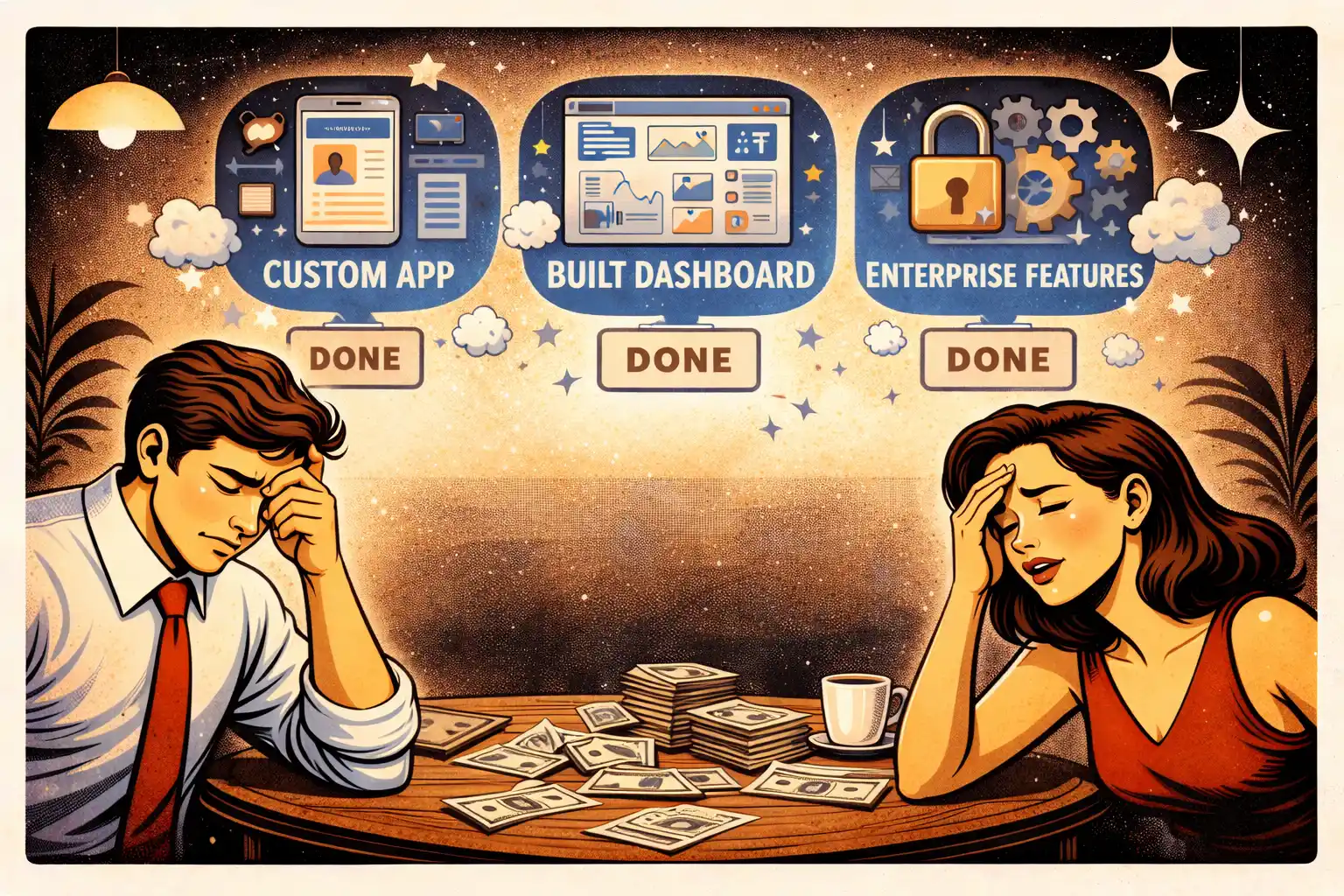
When founders say “we need an MVP,” they often mean:
- user onboarding,
- core flows,
- payments,
- dashboards,
- admin tools,
- notifications,
- analytics,
- and a “nice” design.
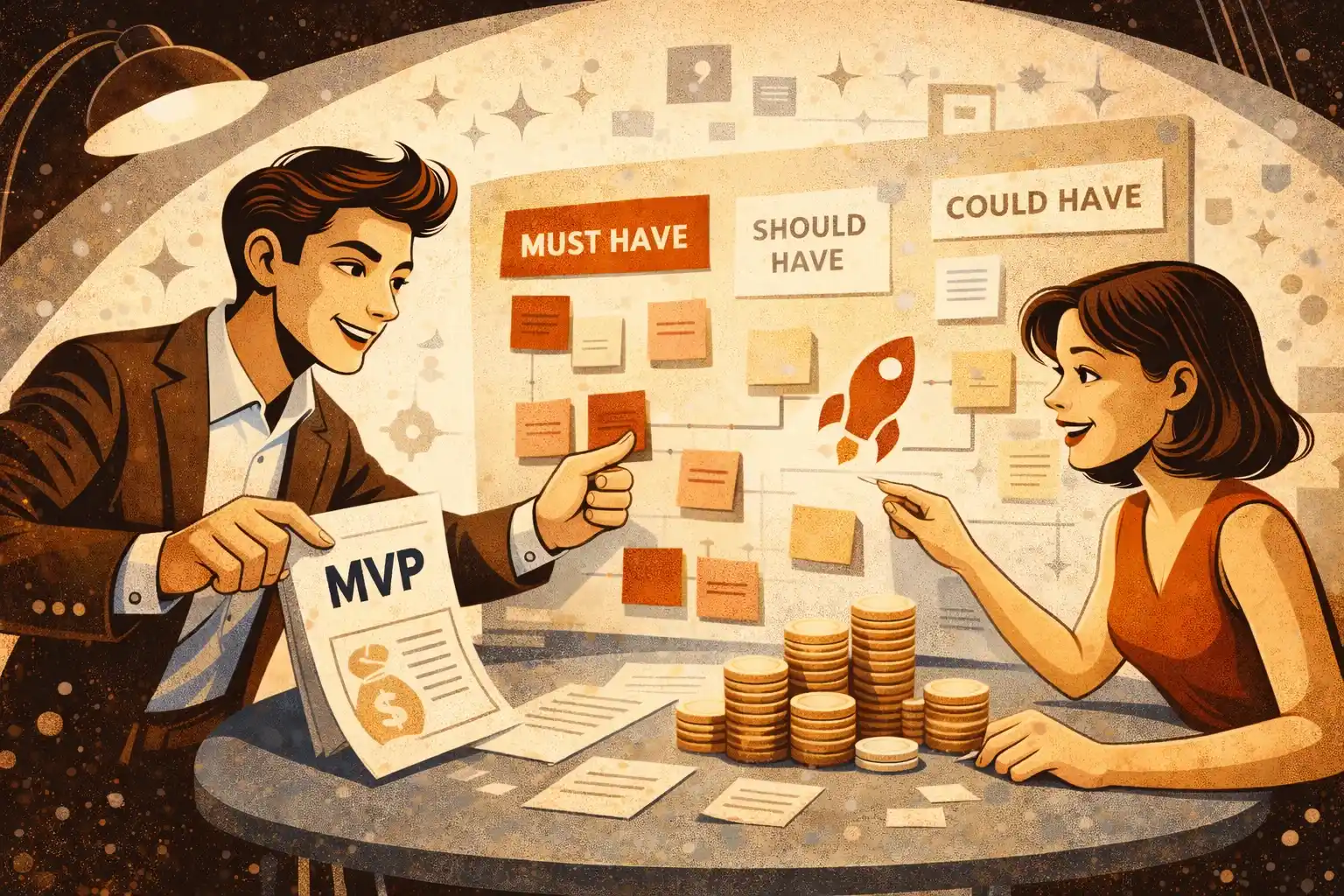
That’s not an MVP. That’s a roadmap.
At pre-seed, your first version should center around one narrow moment:
- one target user,
- one painful workflow,
- one repeatable job-to-be-done.
Everything else is support — and can be delayed.
If you’re struggling to say “no” to features (especially under pressure), this helps: How to Prioritize Features When You’re Bootstrapping Your Startup.
The biggest hidden risk: building without validation
The fastest way to waste months is to build for “a user you imagine.”
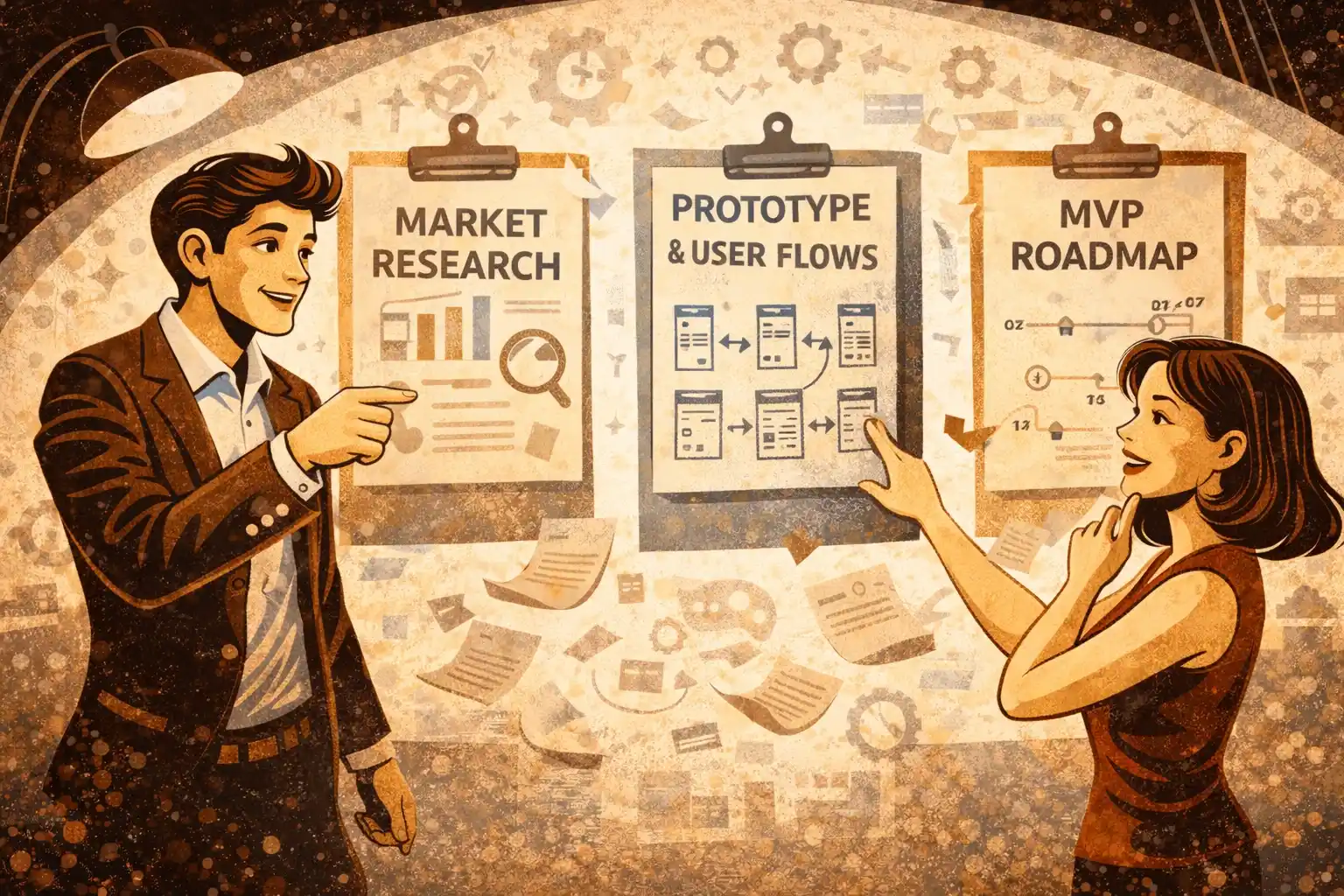
You don’t need a huge research project, but you do need proof. The most practical proof at pre-seed is one of these:
- users sign up without being chased,
- users complete a core action,
- users come back and repeat it,
- users ask for access again or refer someone.
If you want a lightweight playbook, use Validate a Startup Idea Before Development: 5 Experiments That Work.
What your MVP should include (and what it shouldn’t)
Here’s a founder-friendly way to think about MVP scope:
Include:
- the minimum set of screens that enables the core action,
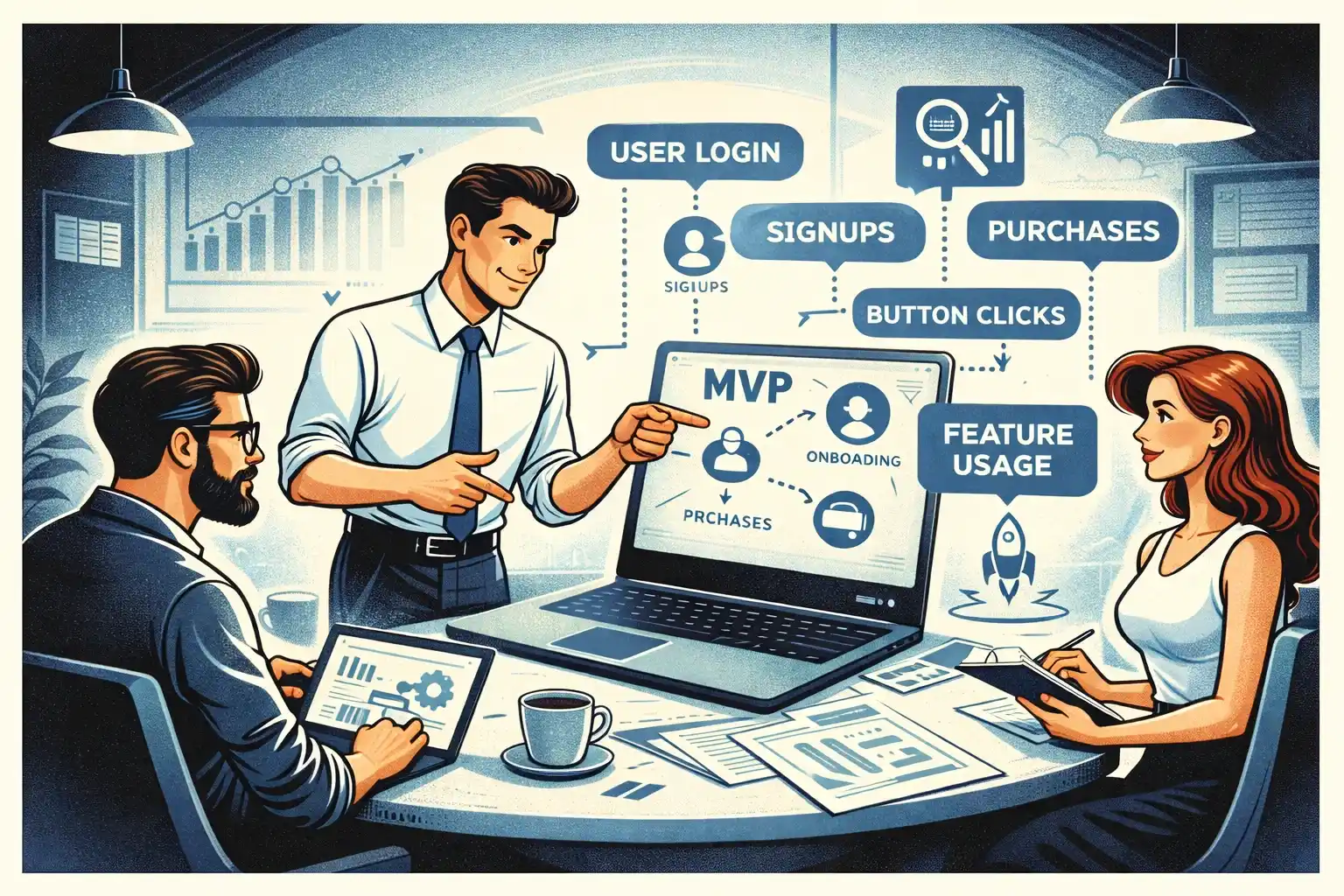
- basic analytics for activation and retention,
- one fallback path for “things went wrong.”
Avoid (for now):
- complex roles and permissions,
- heavy automation before you understand edge cases,
- multi-platform launches “just because,”
- building a back-office empire before you have users.
If your MVP scope keeps expanding, align on boundaries first. That’s the whole point of MVP Scope and Focus in 2026.
Team reality: you don’t need a full-time dev team — you need ownership
A pre-seed founder’s biggest fear is usually: “I can’t build this without a technical co-founder.”
In 2026, that’s not always true. But the replacement isn’t “random freelancers” either.
You need:
- clear product ownership (someone who can say no),
- strong delivery ownership (someone who keeps scope real),
- and a build setup that doesn’t collapse after launch.
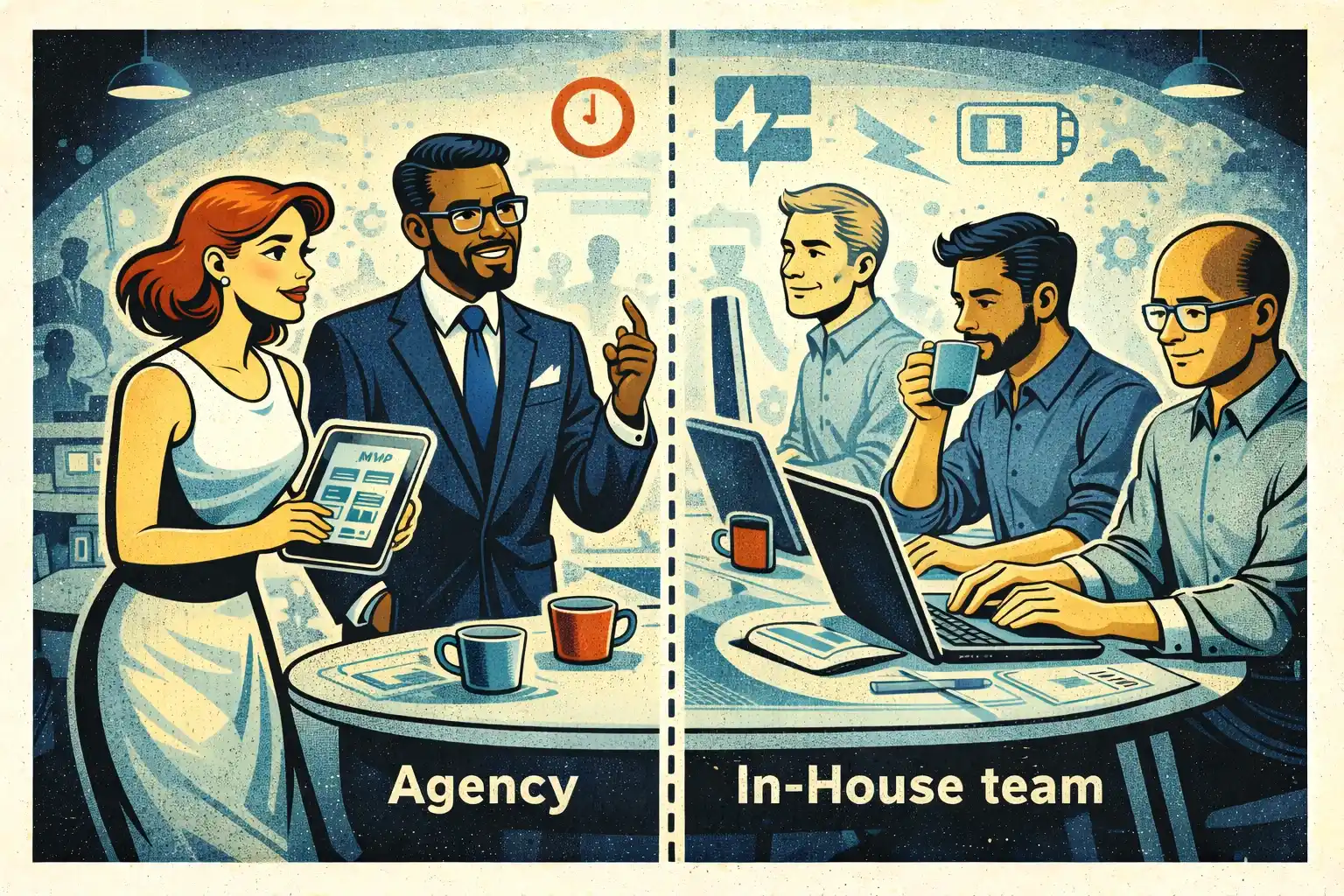
If you’re building without an in-house team, the risk isn’t outsourcing — it’s unclear accountability.
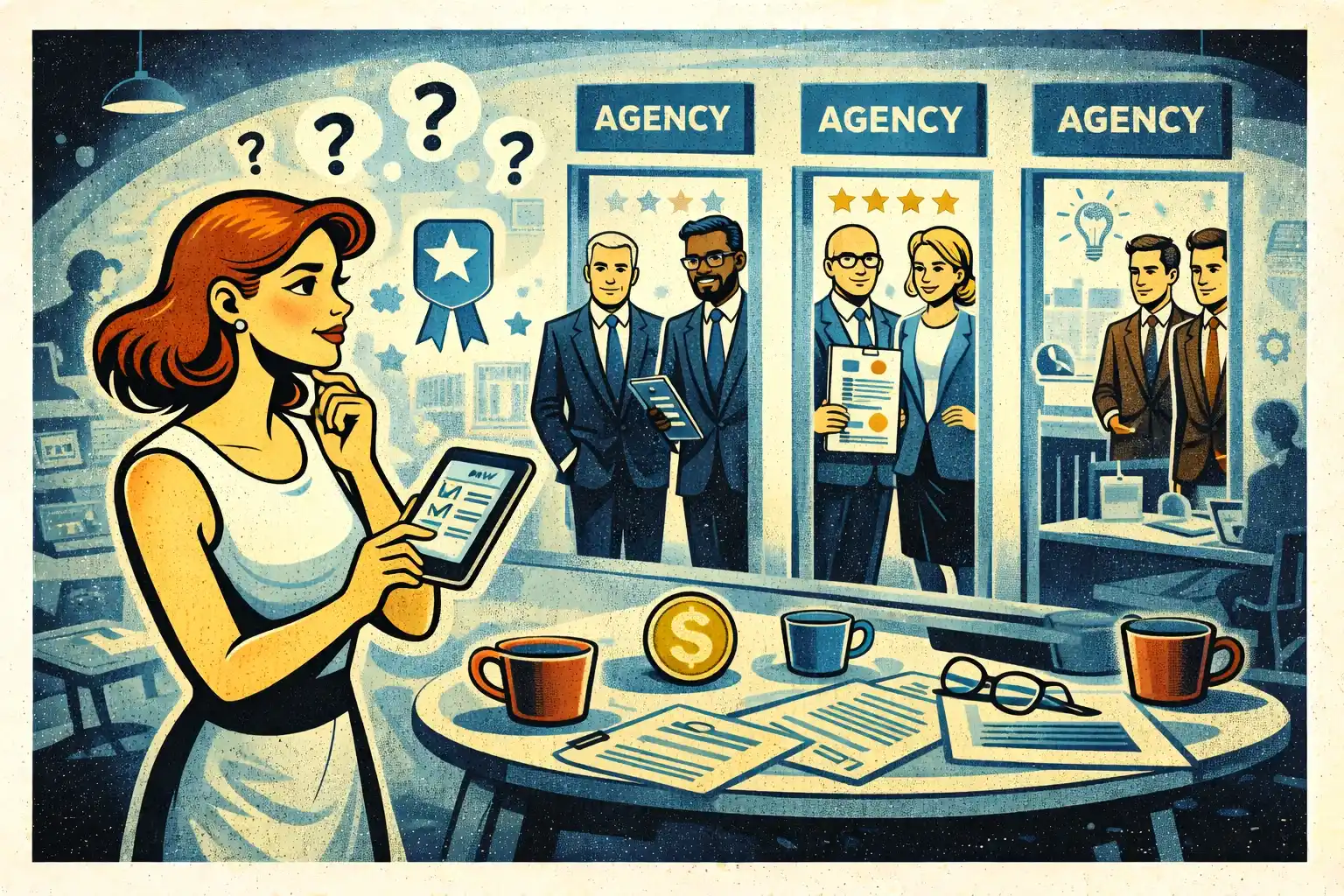
A useful comparison is Startup App Development Company vs Freelancers vs In-House Team.
Timeline truth: what “fast” really looks like
Pre-seed founders often ask: “Can we ship in 2–4 weeks?”
Sometimes you can ship something in weeks.But a usable MVP still needs:
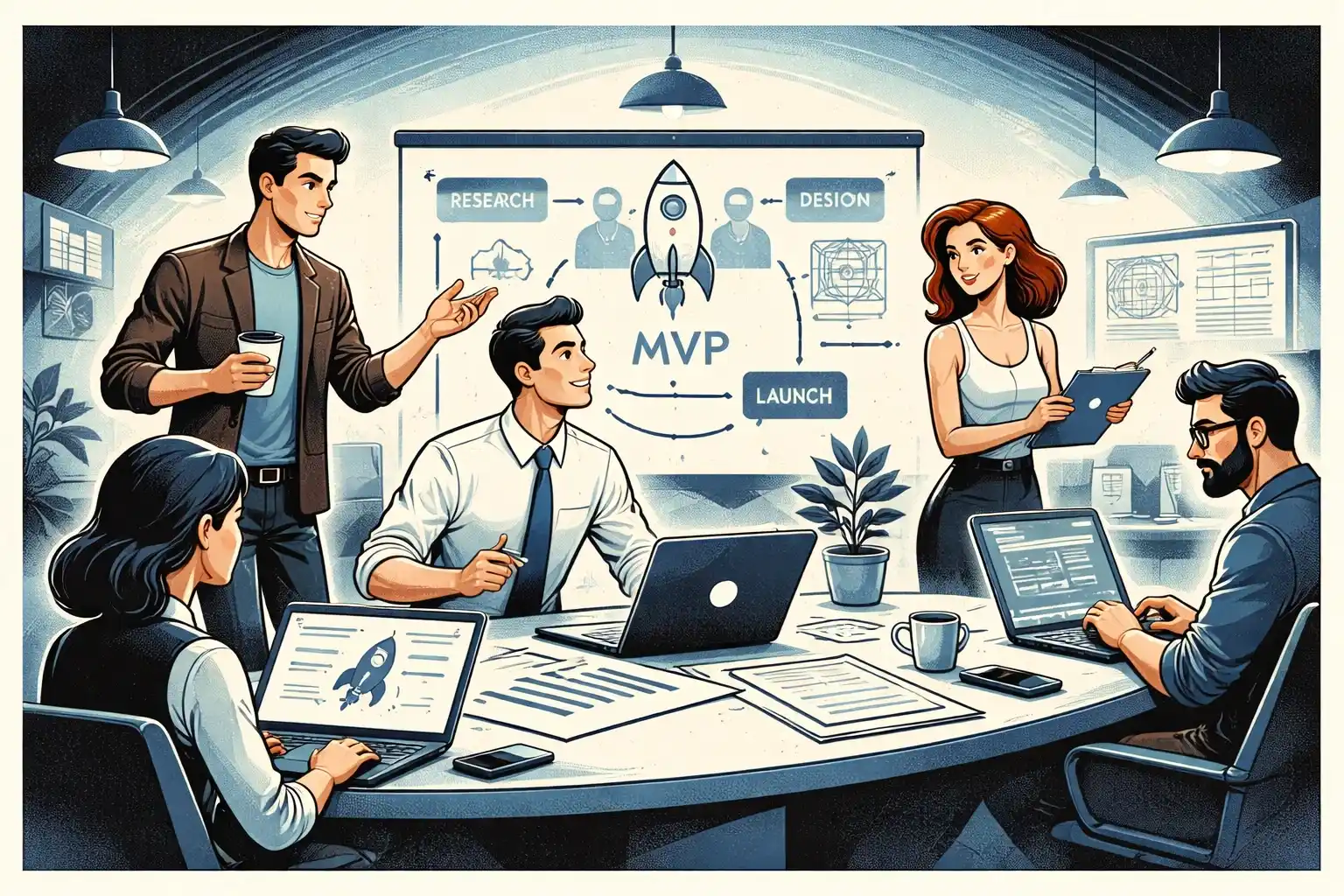
- time to clarify scope,
- time for design and QA,
- time for integration and release,
- time to learn from real users.
The biggest delays rarely come from coding. They come from decision loops and rework.
If you want expectations that won’t break your plan, read How Long MVP Development Takes in 2026.
Traction before fundraising: the order matters
If you’re aiming to raise, remember this:
Investors don’t fund “apps.” They fund evidence.
At pre-seed, the evidence is rarely revenue. More often it’s:
- a clear user problem,
- a repeatable activation path,
- retention signals,
- and a team that can iterate.
If you’re unsure what “good” looks like from an investor lens, start here: What Investors Expect From MVPs in 2026.
Thinking about building an MVP on a pre-seed runway in 2026?
At Valtorian, we help founders design and launch modern web and mobile apps — with a focus on real user behavior, not endless scope.
Book a call with Diana
Let’s talk about your idea, scope, and fastest path to a usable MVP.
FAQ
What’s the fastest way to de-risk a pre-seed product idea?
Talk to real target users, run a lightweight validation experiment, and define one core action your MVP must prove.
How do I know if my MVP scope is too big?
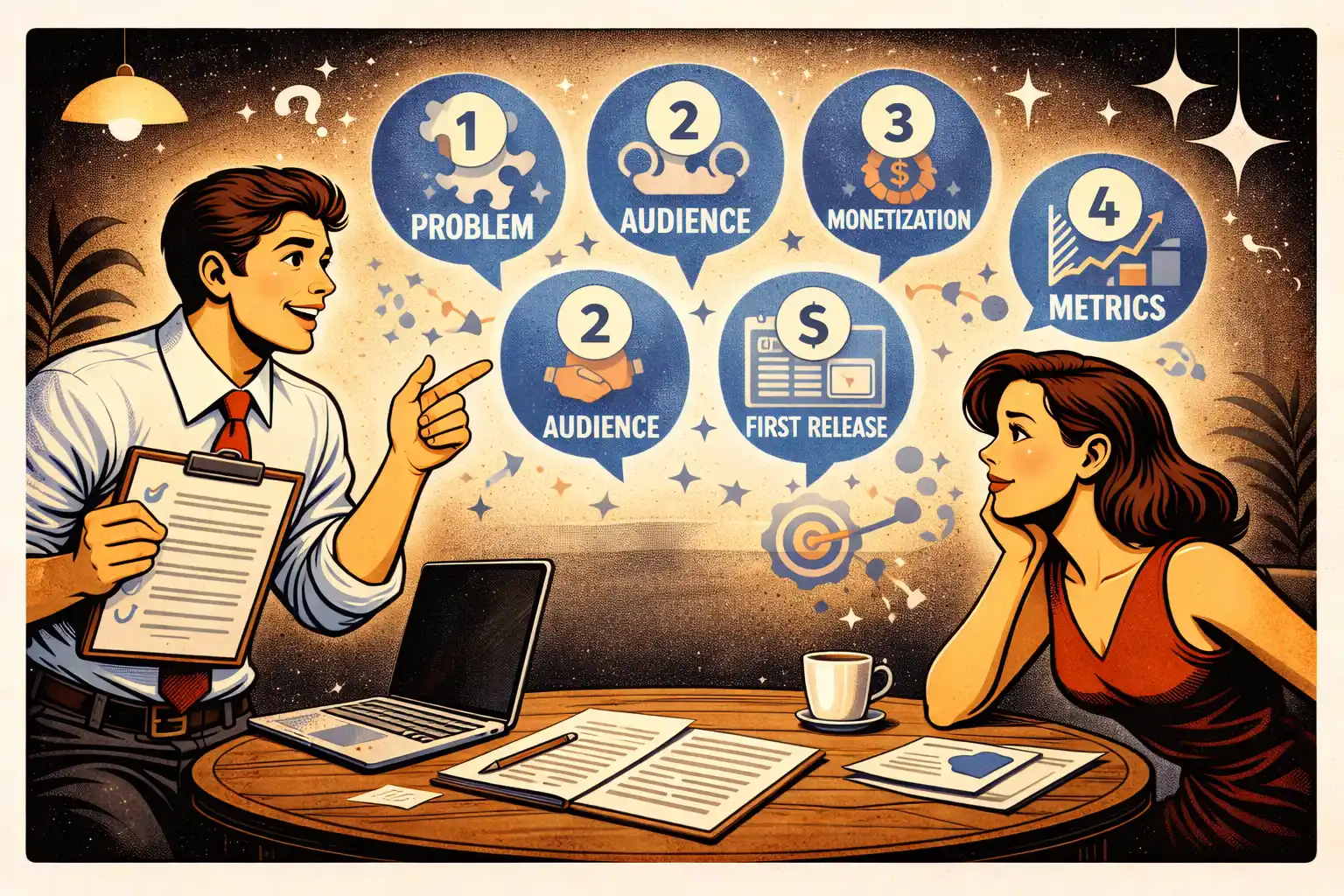
If you can’t describe the first release in one sentence (user + problem + core action), it’s too big.
Should I build web first or mobile first?
Start with where your target user will realistically use the product weekly. If that’s unclear, test demand before committing.
Do I need a technical co-founder in 2026?
Not always. But you do need strong technical ownership somewhere — either inside the team or with a partner who stays accountable after launch.
What should I track right after launch?
Activation (first meaningful action), retention (returning users), and one metric tied to value delivered (time saved, completion rate, conversion).
When is it too early to raise money?
When you can’t explain what you learned from users, what changed in the product because of that, and what you’ll build next based on evidence.














































.webp)




.webp)