.webp)
How PlanEat AI Ranked #1 on Product Hunt
Most Product Hunt “wins” look like overnight success from the outside. From the inside, they’re usually the result of tight scope, consistent iteration, and a launch plan that treats distribution as part of the product. In this article, we’ll share how PlanEat AI reached #1 on Product Hunt, what we prepared weeks before launch, what we did during launch day, and what actually mattered in the days after — beyond the badge.
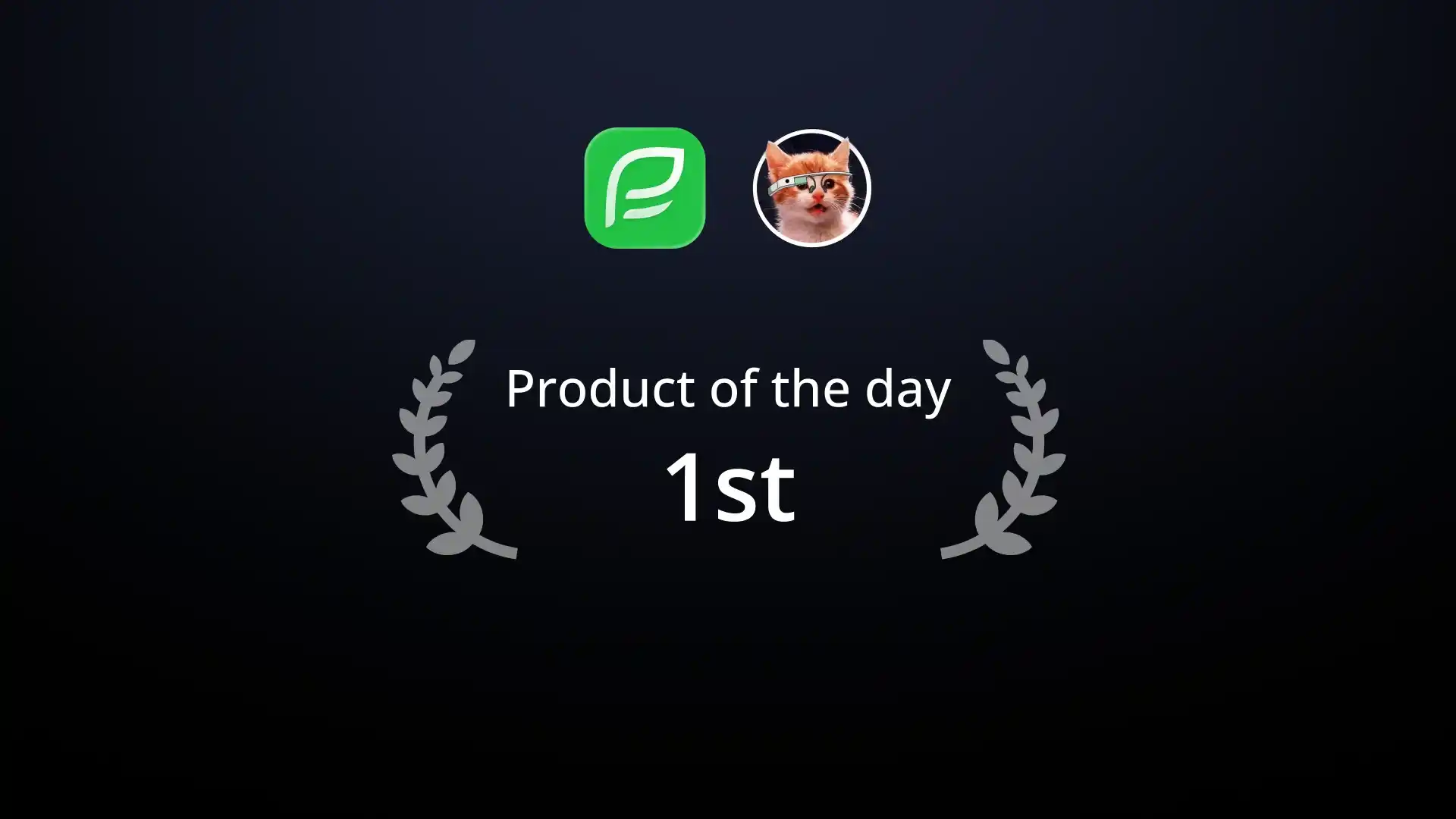
TL;DR: PlanEat AI reached #1 on Product Hunt by treating launch as a product milestone, not a marketing stunt.The biggest drivers were a clear promise, a simple onboarding flow, and a plan for fast post-launch iteration.
Why we cared about Product Hunt in the first place
Product Hunt wasn’t “growth strategy #1” for us. It was a high-signal test.
We wanted:
- real feedback from people who try new apps weekly
- proof that our positioning is understandable in one sentence
- a burst of early users to stress-test onboarding and retention
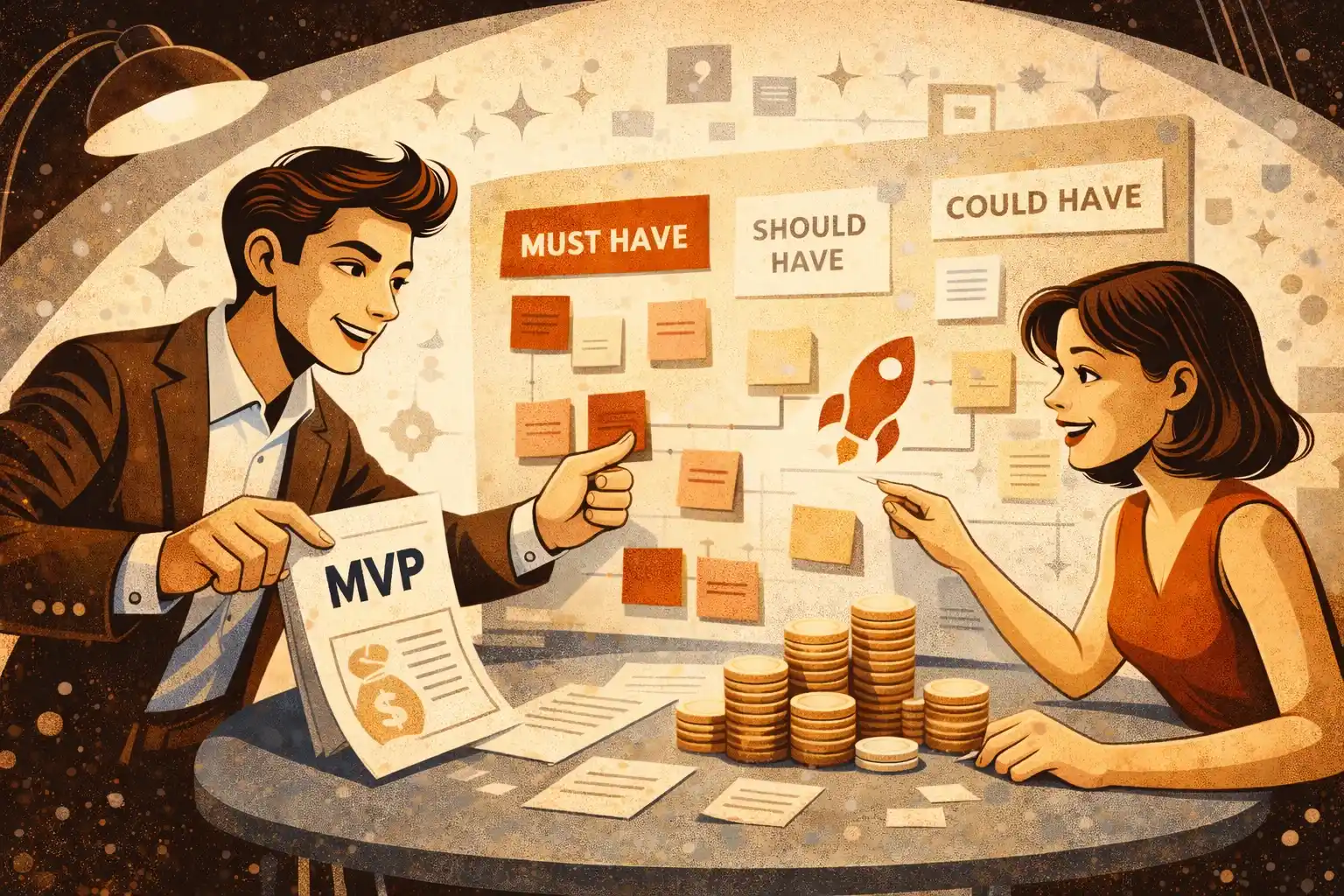
This is the same mindset we use for MVPs in general: shipping a usable version to learn quickly. If you’re aligning on what an MVP should be today, start with What a Good MVP Looks Like in 2026.
Step 1: Make the promise painfully clear
Before we touched any launch assets, we tightened the core promise:
PlanEat AI removes “meal planning fatigue” by turning preferences into a weekly menu and a grocery list — so the user doesn’t have to think from scratch every day.
If your product can’t be explained in one clean line, Product Hunt will expose it fast. Founders often mistake “more features” for “more clarity,” which is one of the reasons MVPs still stall. We see this pattern often in Why MVPs Still Fail in 2026.
Step 2: Fix the one thing that kills conversions — onboarding
On Product Hunt, you don’t get multiple chances.If onboarding is confusing, you lose users before they feel the value.
So we focused on:
- a short first-time experience (no long “setup wizard”)
- quick proof of value (menu + list generation)
- predictable results (so users trust what they see)
This wasn’t about “perfect UX.” It was about removing friction that blocks learning.
Step 3: Launch only when the product can handle real humans
A lot of founders launch when they feel emotionally ready.We launched when the product was operationally ready.
That meant:
- stable builds
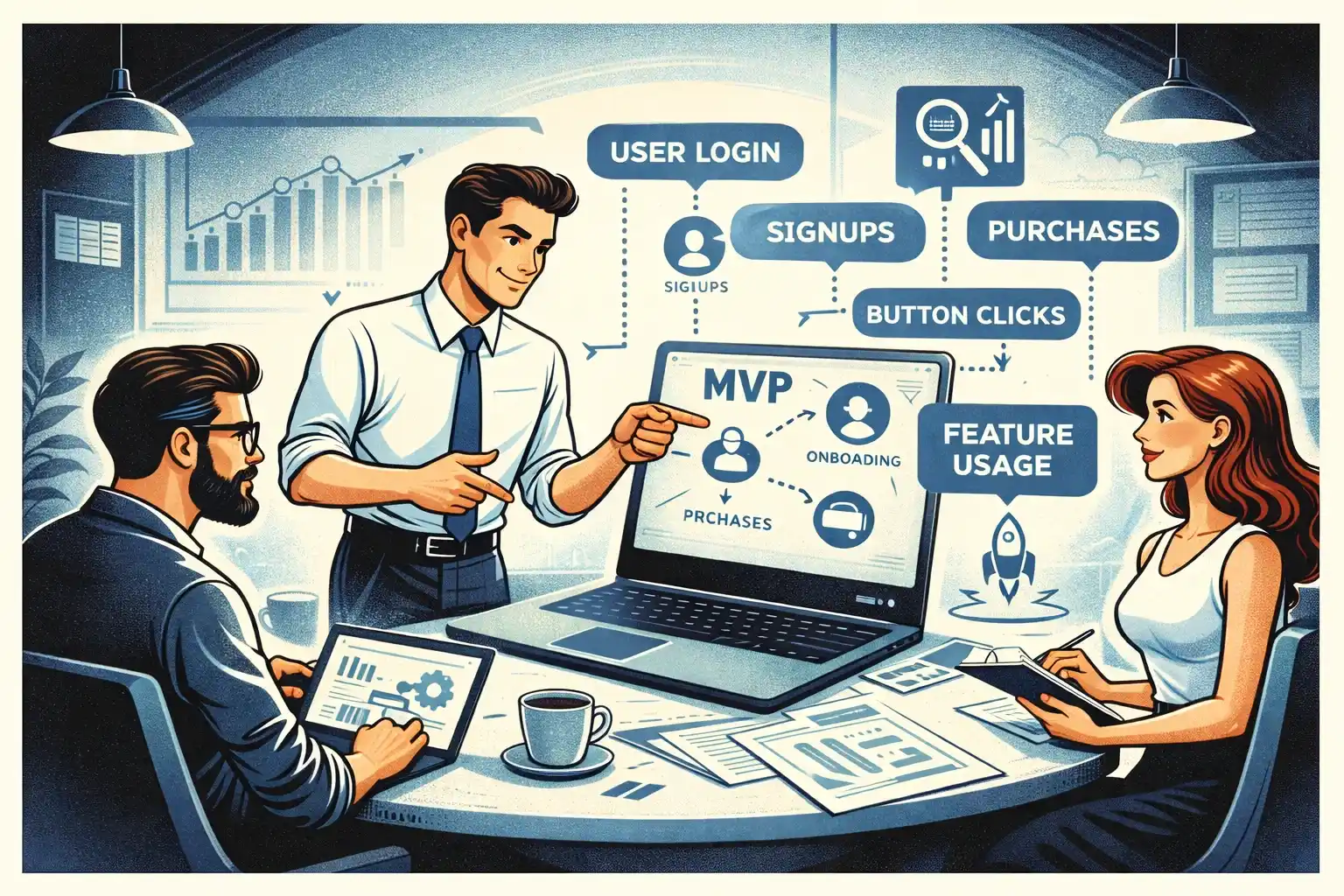
- basic analytics so we could see drop-offs
- a process for fast fixes and quick releases
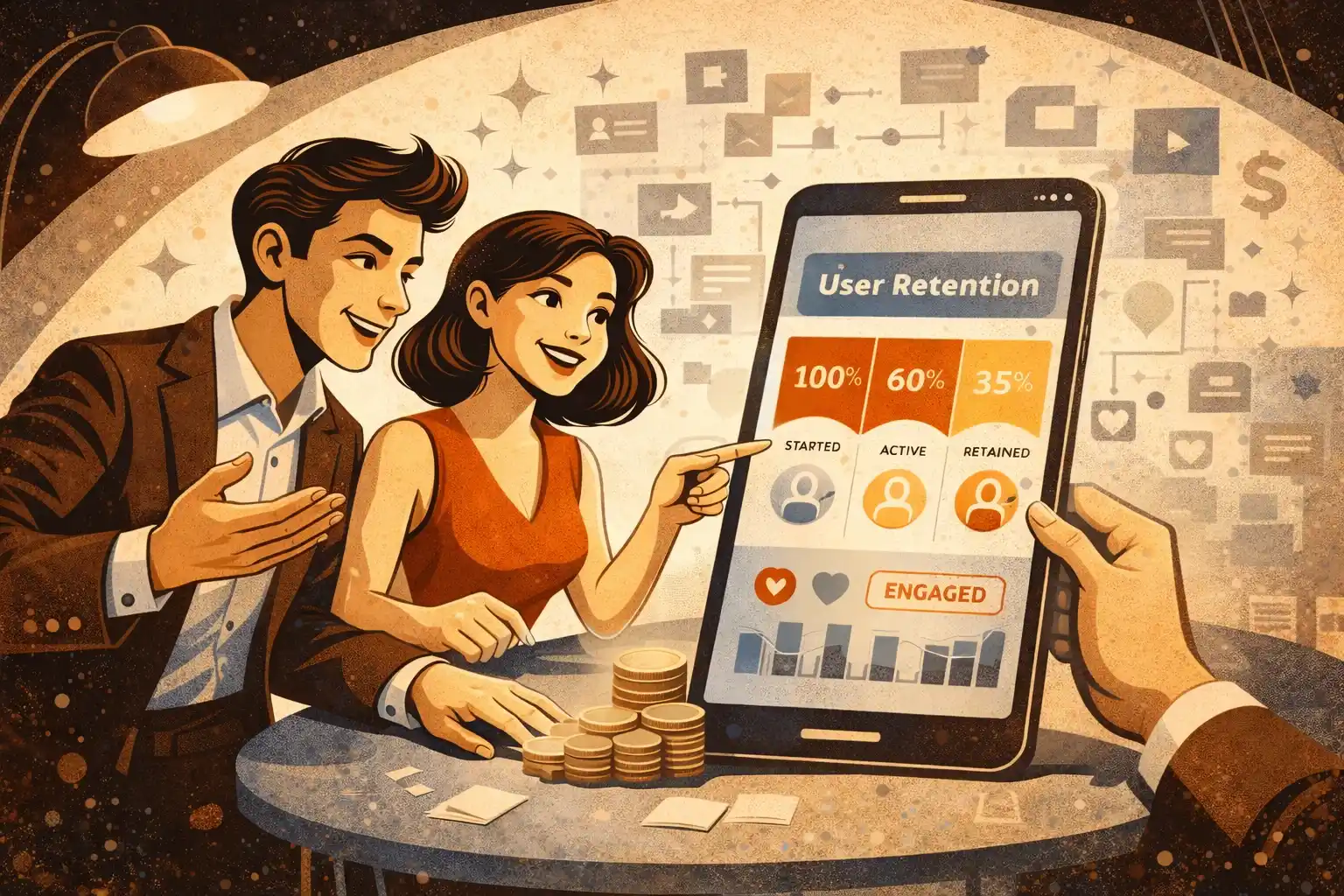
If you’re not tracking behavior, you’re guessing. Even a lightweight dashboard changes how you prioritize the next week of work. That’s the core point behind Your First Product Metrics Dashboard: What Early-Stage Investors Want to See.
Step 4: Treat community as part of the launch plan
Product Hunt rewards momentum.But “momentum” isn’t magic — it’s coordination.
We prepared:
- a short list of people who genuinely cared about the product
- a simple message that didn’t feel like spam
- clear timing so supporters weren’t scattered across the day
The key here: we didn’t ask people to “upvote because we’re friends.”We asked them to try a real product and share honest feedback.
Step 5: What we did on launch day
Launch day is not “post and wait.”It’s an active feedback loop.
We stayed online to:
- reply to comments fast
- clarify the promise when people misunderstood it
- collect the most repeated questions (those become future UX improvements)
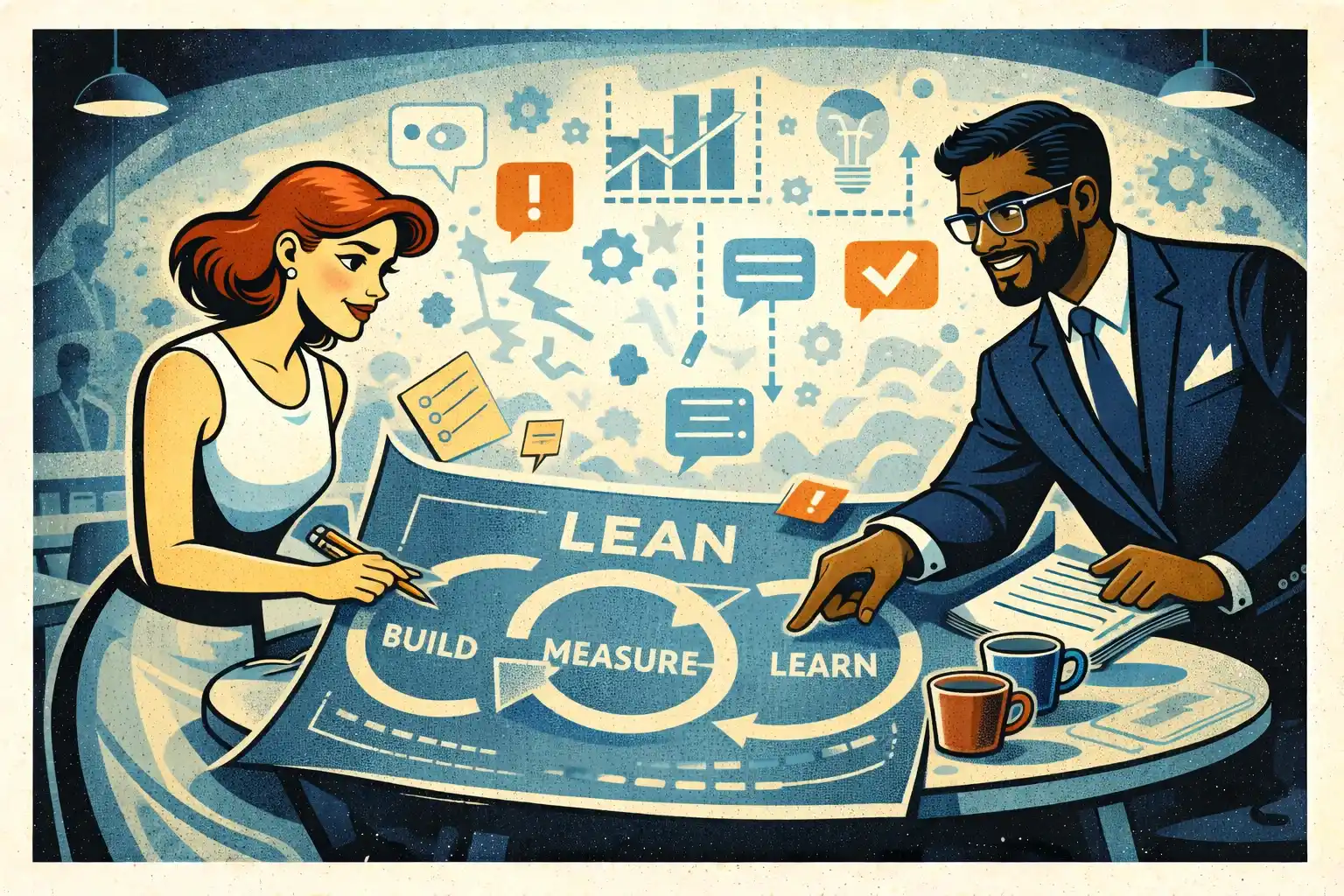
This approach fits the way we think about full-cycle product work: shipping, learning, iterating — not “deliver and disappear.” If you want that end-to-end lens, see Full-Cycle MVP Development: From Discovery to First Paying Users.
Step 6: The week after matters more than the badge
Here’s the uncomfortable truth:
Product Hunt can give you attention. It won’t give you retention.
After the #1 day, the real work was:
- filtering feedback into “signal vs noise”
- fixing the obvious blockers fast
- improving what users asked for repeatedly
At the time of writing (Jan 2026), the launch translated into early traction signals (installs, trials, and first paid users). These numbers naturally change over time — the point is not the exact count, but how quickly you turn launch traffic into learning.
What we’d do differently next time
Even with a strong result, we learned a few things we’d adjust:
- ship one more “aha moment” inside the first session
- tighten the screenshots so they feel even simpler
- prepare a clearer post-launch update cadence (so users see progress)
Also: we’d be even more careful about not adding “AI complexity” where it doesn’t improve the workflow. That trap is common, and we covered it directly in AI Product Mistakes Startups Make in 2026.
Thinking about launching your product on Product Hunt in 2026?
At Valtorian, we help founders design and launch modern web and mobile apps — and plan launches that are built around real user behavior, not vanity metrics.
Book a call with Diana
Let’s talk about your idea, scope, and the fastest path to a usable MVP and a strong launch.
FAQ
Does ranking #1 on Product Hunt mean product-market fit?
No. It’s a strong visibility spike and a useful validation signal, but PMF is retention and repeatable demand over time.
How early should I start preparing for a Product Hunt launch?
At least a few weeks before. You need time to tighten positioning, polish onboarding, and prepare launch assets.
What matters most for Product Hunt: product or marketing?
Both, but product clarity wins first. If the promise is unclear or onboarding is weak, marketing can’t save it.
Should I wait until the product is “perfect” before launching?
No. You should wait until it’s usable, stable, and measurable. “Perfect” usually means you waited too long.
What’s the biggest mistake founders make on launch day?
Posting and going offline. Launch day is a live feedback loop — comments and questions are part of the work.
What should I measure right after a Product Hunt launch?
Activation (first value moment), drop-offs in onboarding, early retention signals, and the questions users repeat the most.


























.webp)




.webp)