.webp)
Lean Product Strategies for Startups in 2026
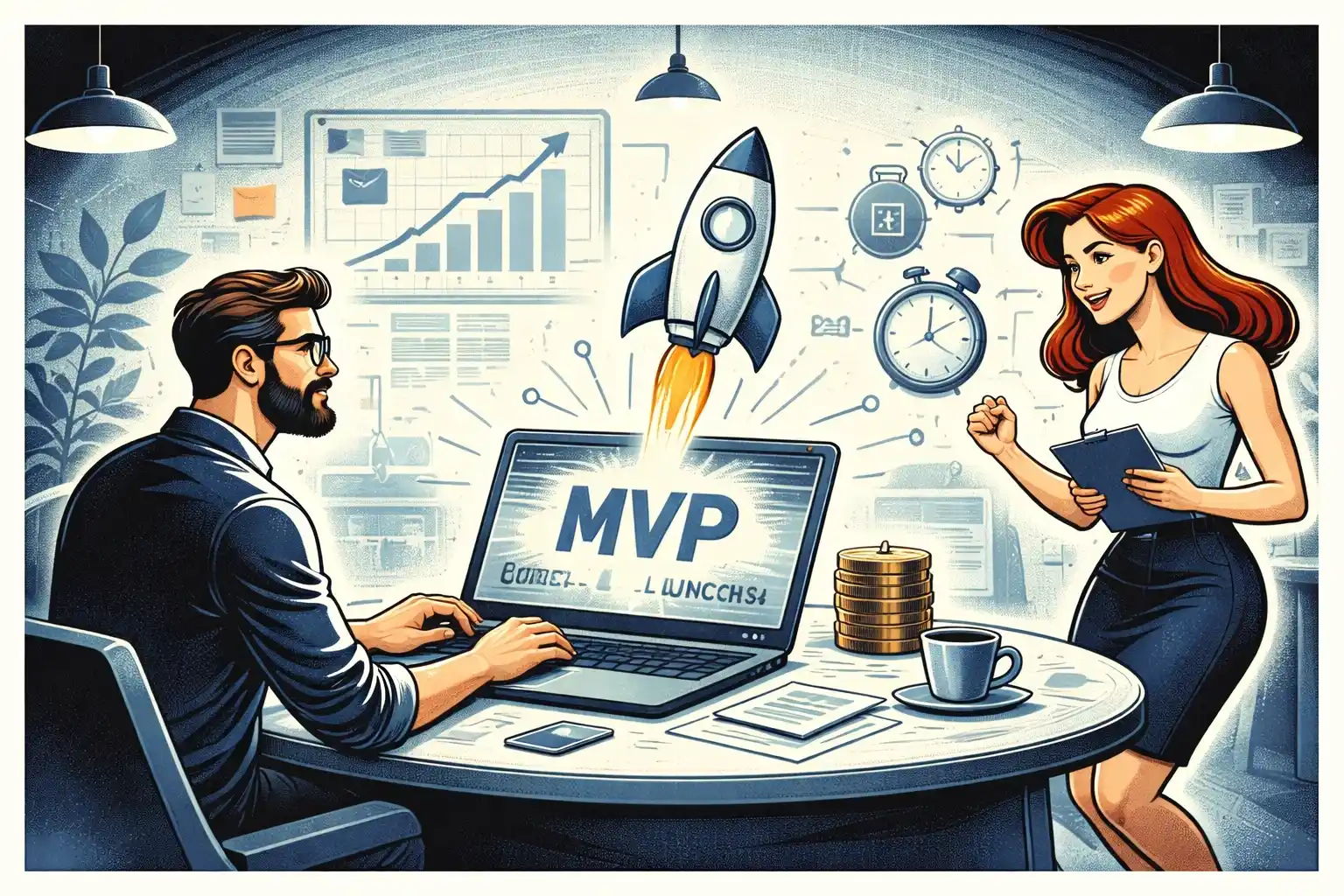
“Lean” in 2026 doesn’t mean building something cheap or unfinished. It means designing the smallest version that can create real user behavior, learning fast, and protecting runway while the product is still changing weekly. In this article, you’ll learn how to define a lean scope, avoid false validation, choose the right level of design and architecture, and build a simple measurement loop so your next iteration is based on evidence—not opinions.
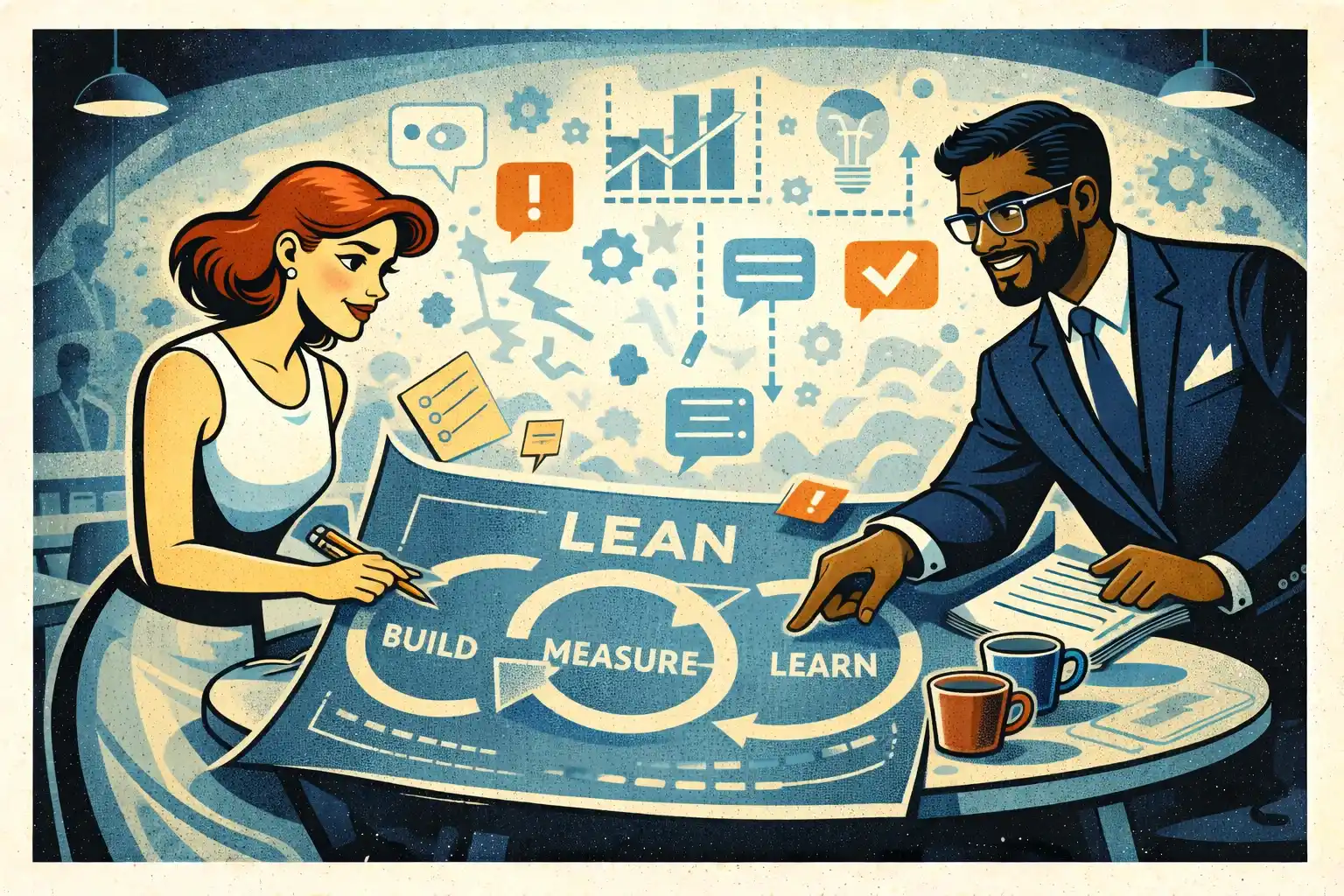
TL;DR: A lean product in 2026 is a small, measurable workflow that users actually complete—then you iterate from real behavior.The biggest wins come from ruthless scope, fast feedback loops, and avoiding “nice-to-have” complexity before you have traction.
What “lean” actually means in 2026
Most founders think lean equals “ship faster.” True—but only if the thing you ship can be tested in the real world.
Lean means you choose one core user outcome, build just enough to make it happen end-to-end, and instrument the product so you can see what users do next.
If your MVP can’t produce a clear signal (activation, repeat use, conversion, or time saved), it’s not lean—it’s just incomplete.
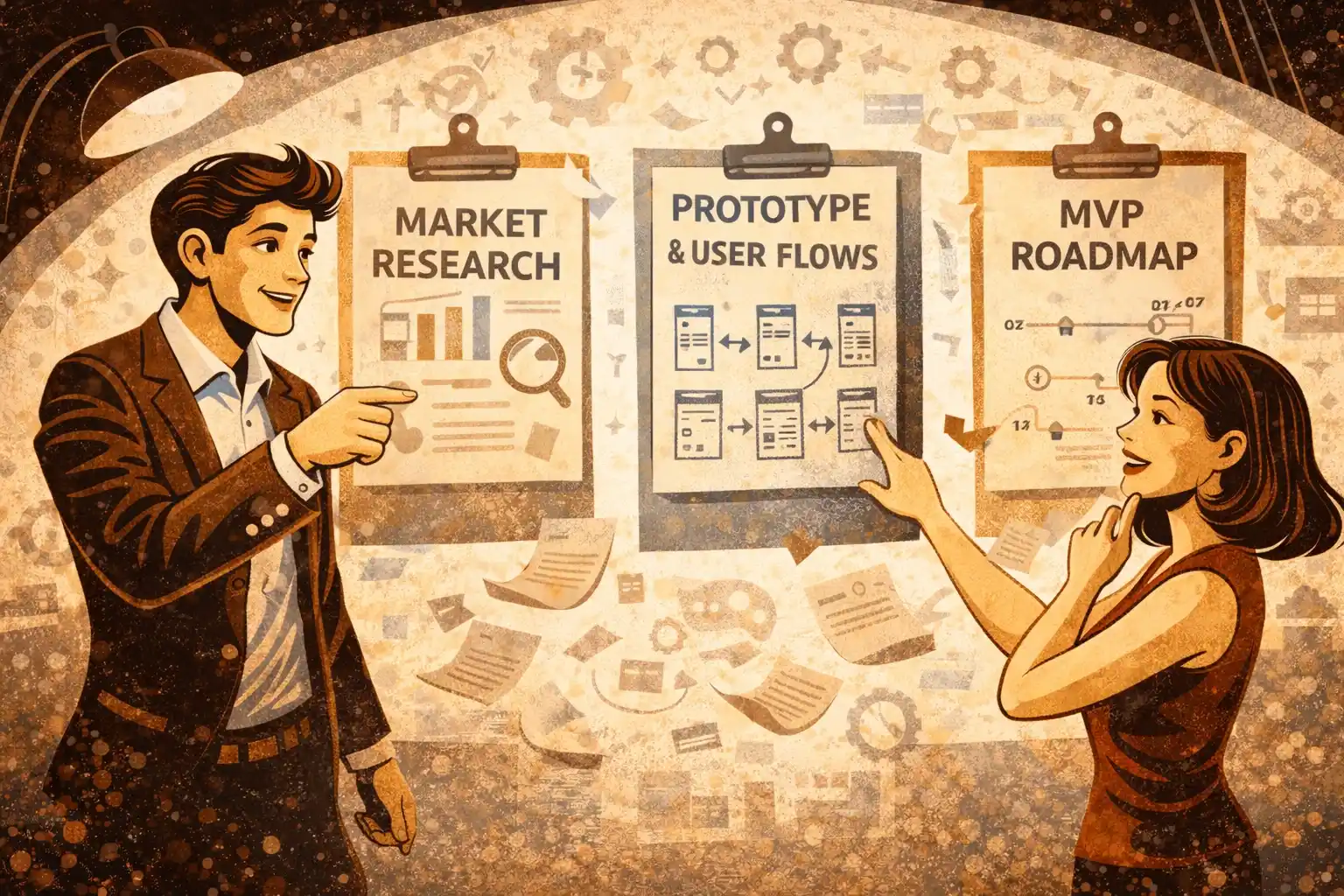
For a plain-language baseline of what MVP delivery should include, see MVP Development Services for Startups: What’s Actually Included.
Strategy 1: Pick one “job” and build the workflow, not the feature list
A lean roadmap is not a checklist. It’s a single user journey that ends with a real decision:
- The user signs up and completes the key action.
- The user comes back within a week.
- The user pays, books, messages, or invites someone.
You don’t need more features—you need a closed loop.
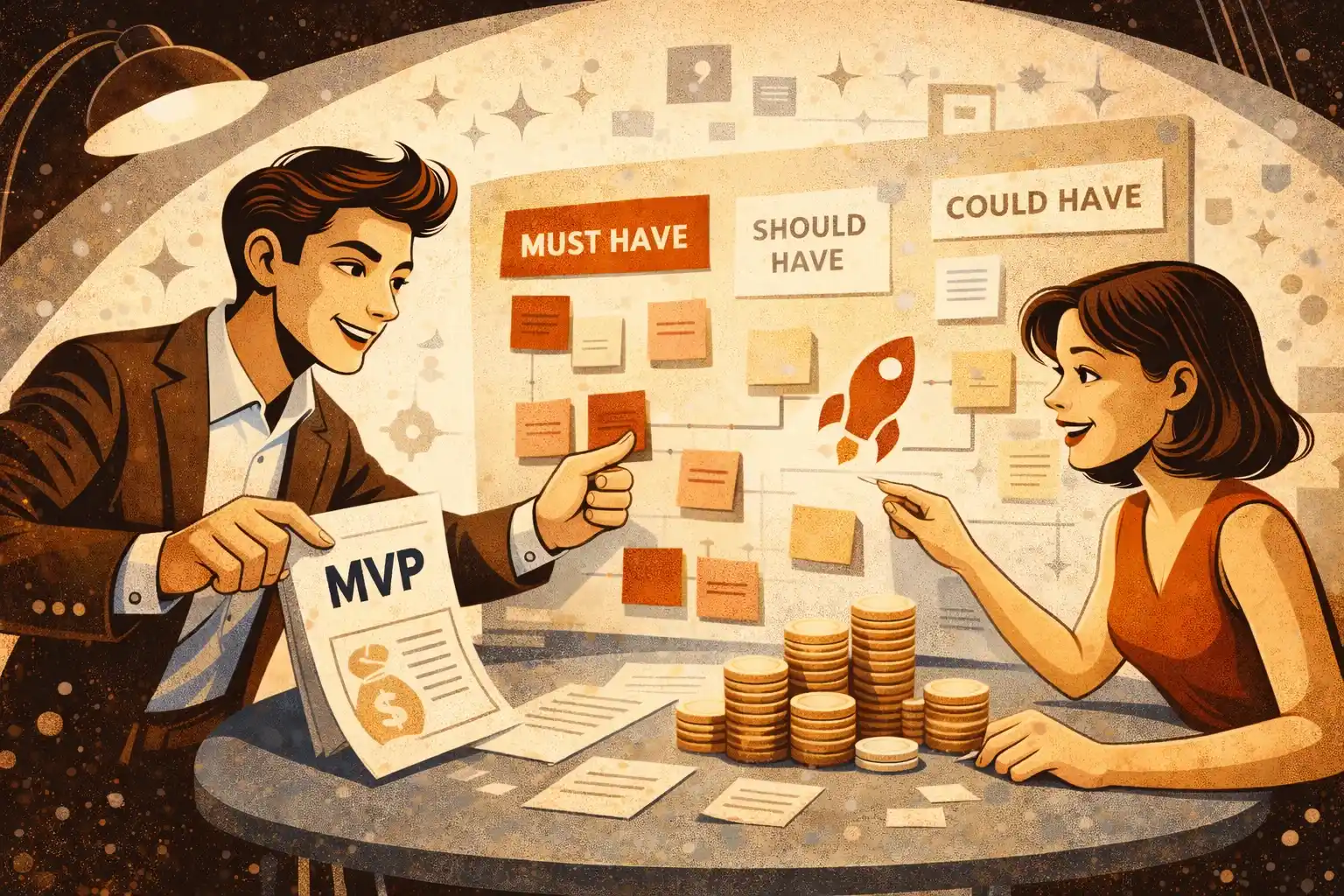
If you’re unsure how to shrink scope without breaking the product, the framing in How to Prioritize Features When You’re Bootstrapping Your Startup will help.
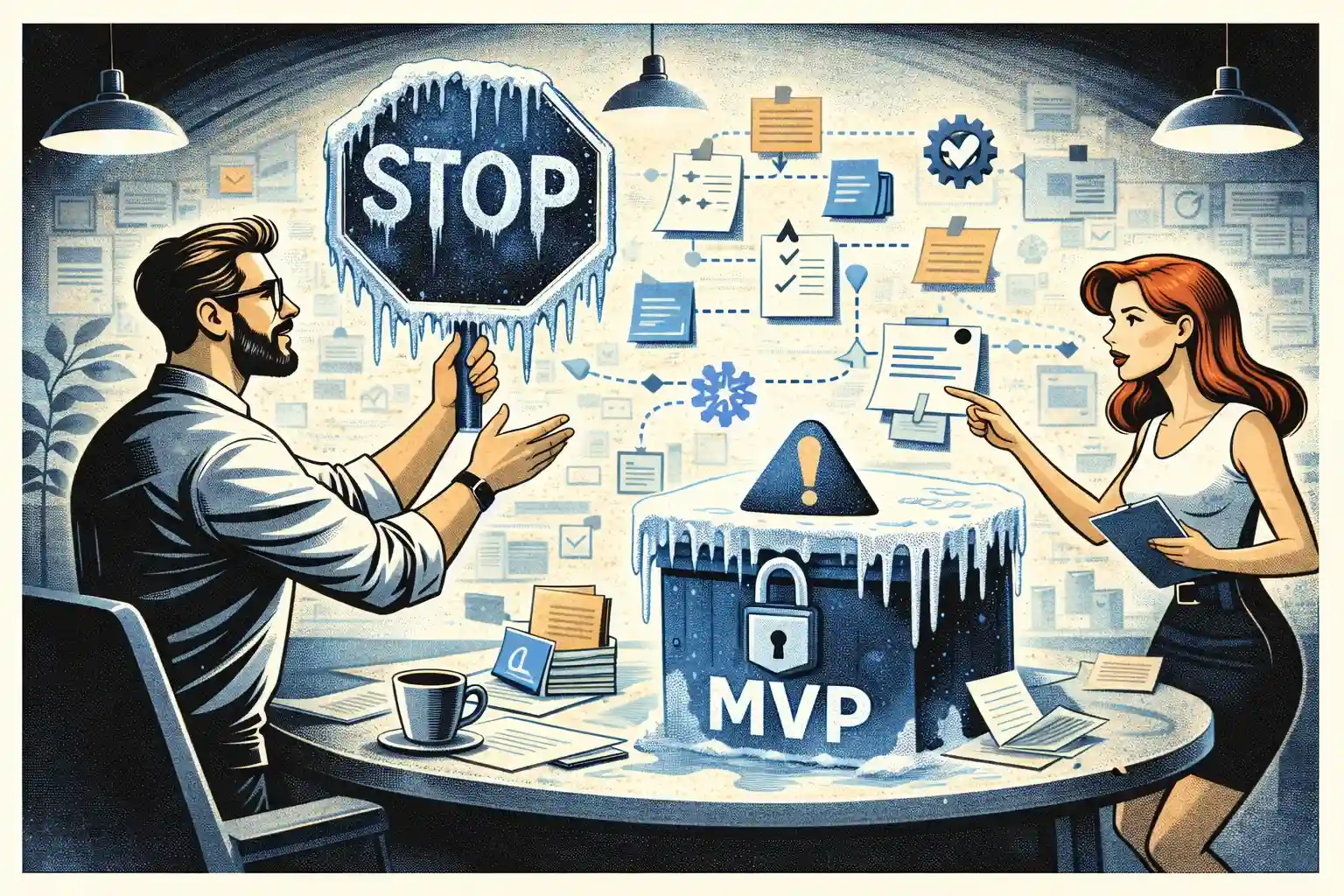
Strategy 2: Validate the risky assumption first (not the easiest one)
Founders often “validate” the wrong thing:
- They validate interest (likes, comments, signups)… but not willingness to act.
- They validate a UI concept… but not the workflow friction.
- They validate a problem statement… but not whether their solution fits the day-to-day.
In 2026, good validation is behavior-based. You want users to commit time, money, or reputation—anything that has a cost.
If you want a tight set of experiments for early proof, use Validate a Startup Idea Before Development: 5 Experiments That Work.
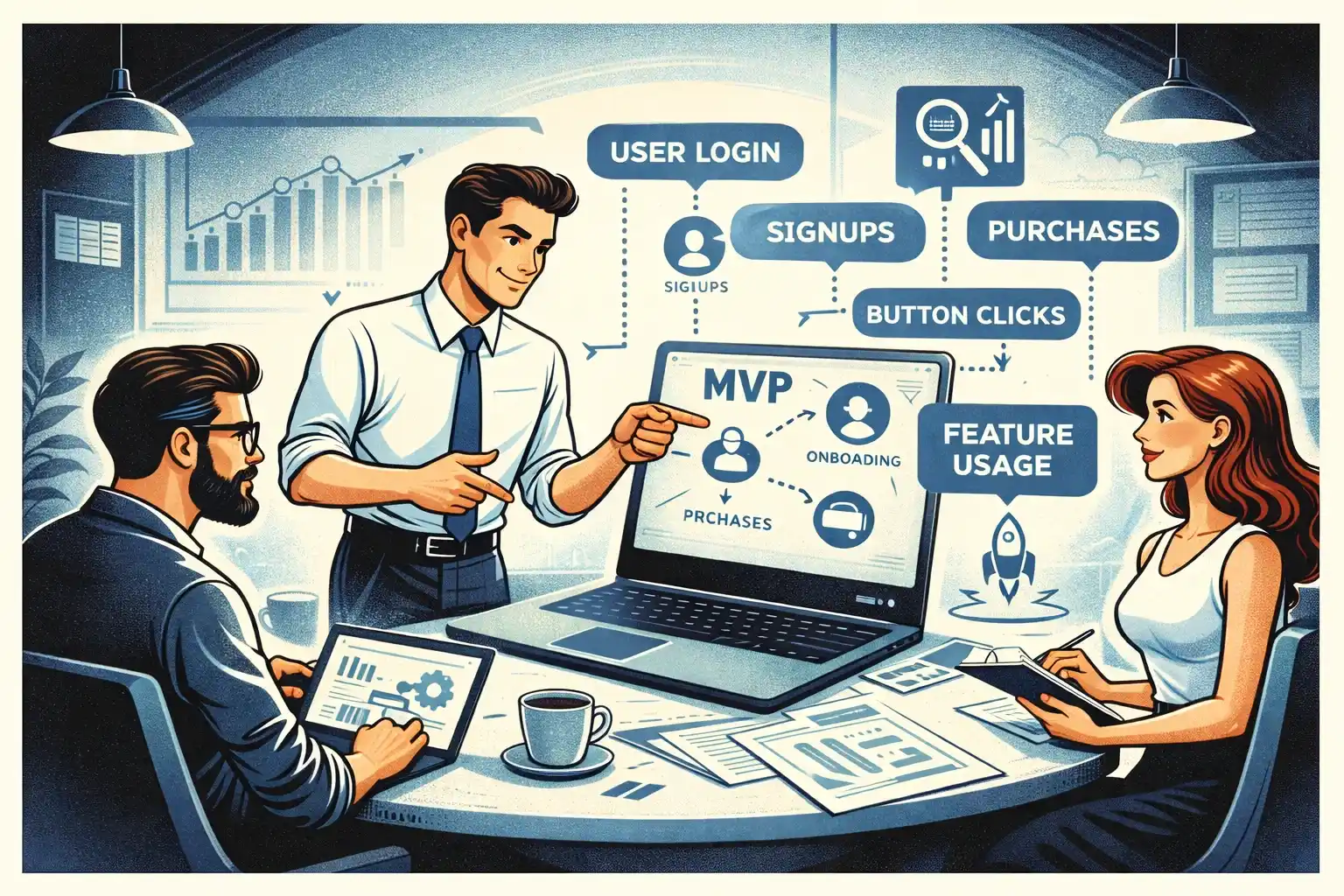
Strategy 3: Make your MVP measurable on day one
Lean products fail when founders can’t tell whether the product is improving.
A practical early setup:
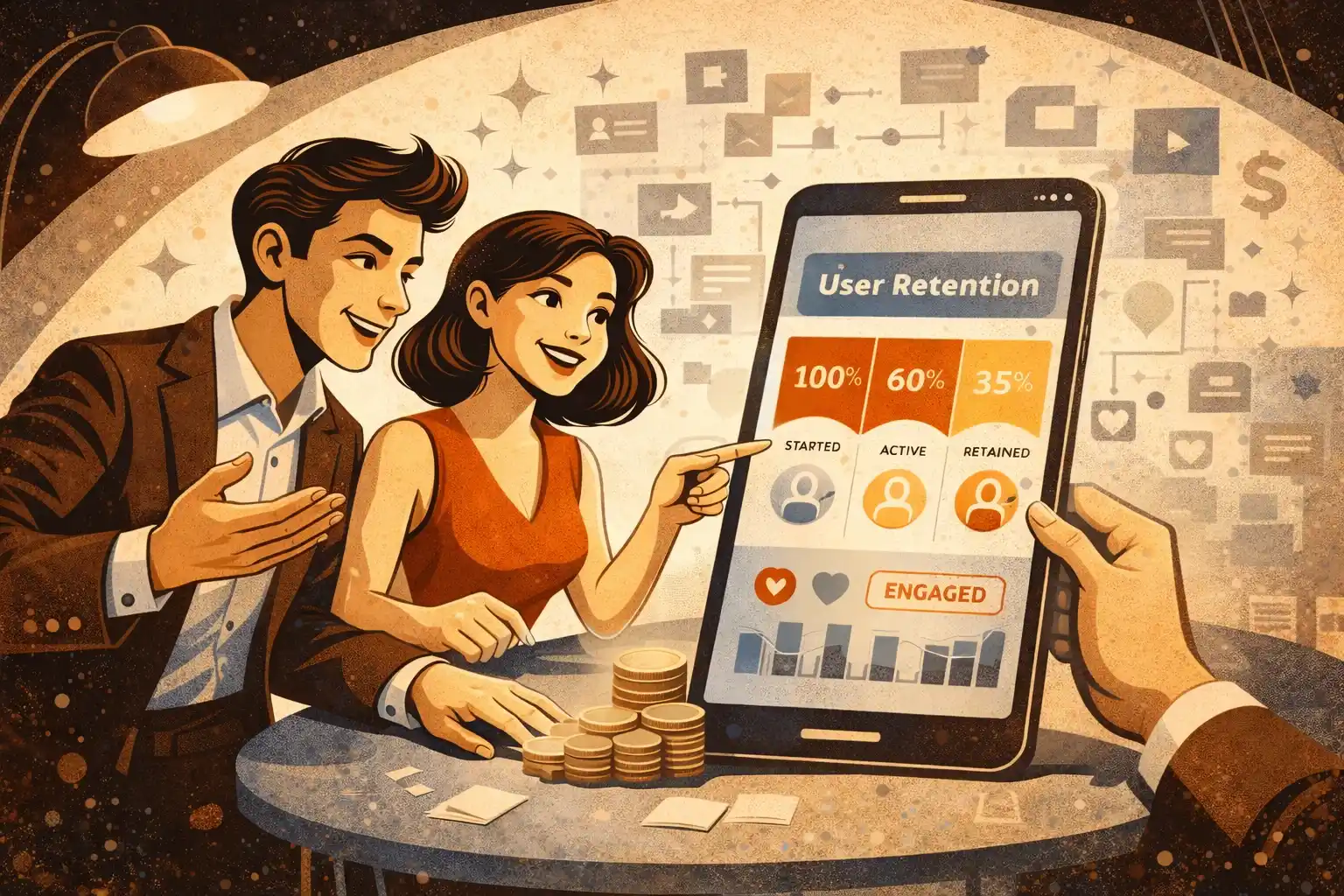
- Track activation (the first meaningful action).
- Track the “second use” moment (did they return and repeat the workflow?).
- Track one business signal (trial-to-paid, lead-to-call, invite accepted, etc.).
You don’t need a complicated analytics stack. You need a small set of events you trust.
If you’re unsure what investors and teams typically look for early, read Your First Product Metrics Dashboard: What Early-Stage Investors Want to See.
Strategy 4: Keep design lean without shipping something people won’t trust
In 2026, users judge credibility in seconds. A “lean” UI that looks unfinished can kill the test.
Lean design means:
- One clean design system (fonts, buttons, spacing).
- A small number of screens, each with a single purpose.
- Clear empty states and error states (so the workflow doesn’t collapse).
If you’re debating whether you can move fast without a full team, the decision logic in Startup Building Without a Tech Team in 2025 is still useful.
Strategy 5: Don’t overbuild architecture before you prove demand
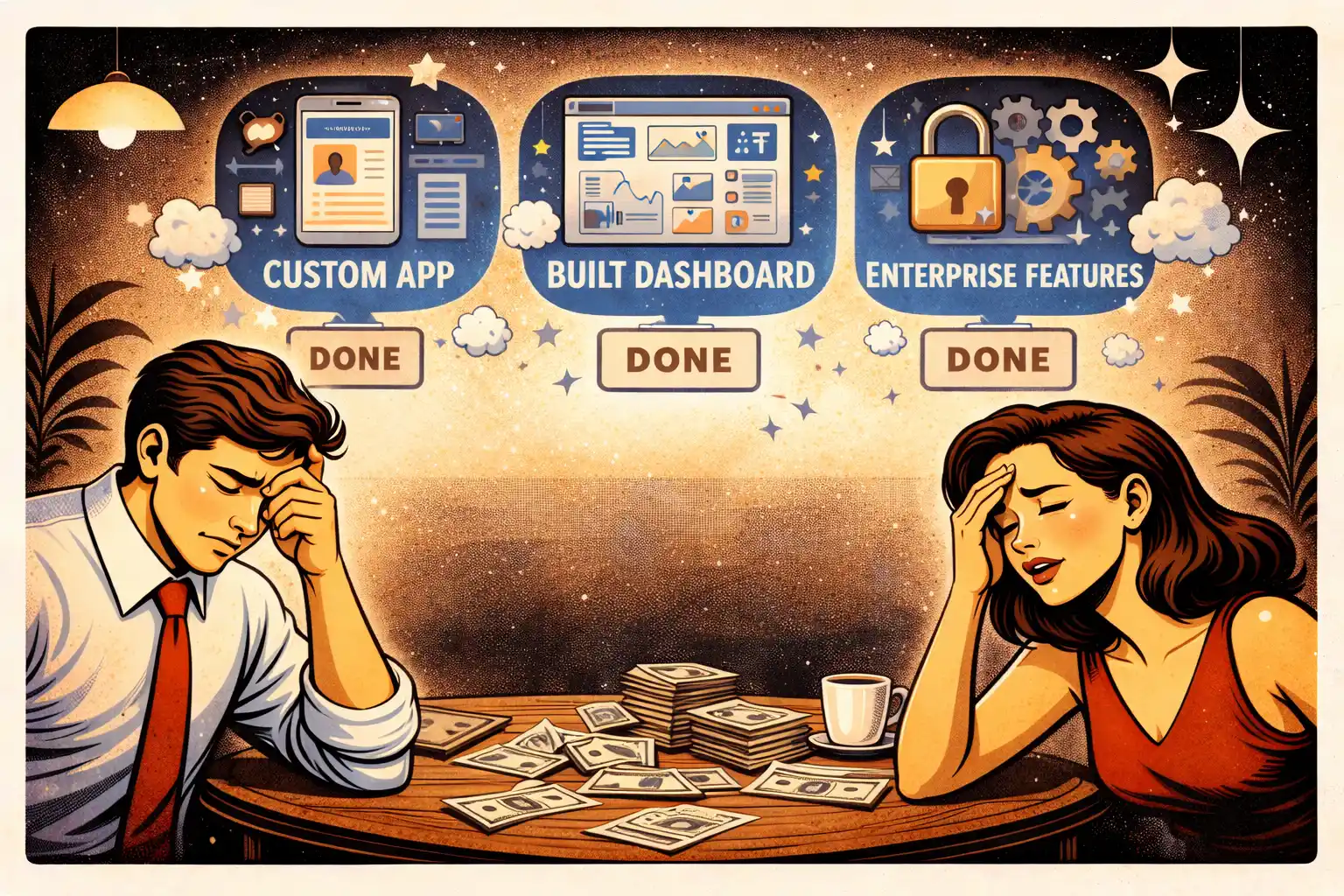
The fastest way to lose runway is “future-proofing” a product that hasn’t earned a future yet.
Lean architecture means:
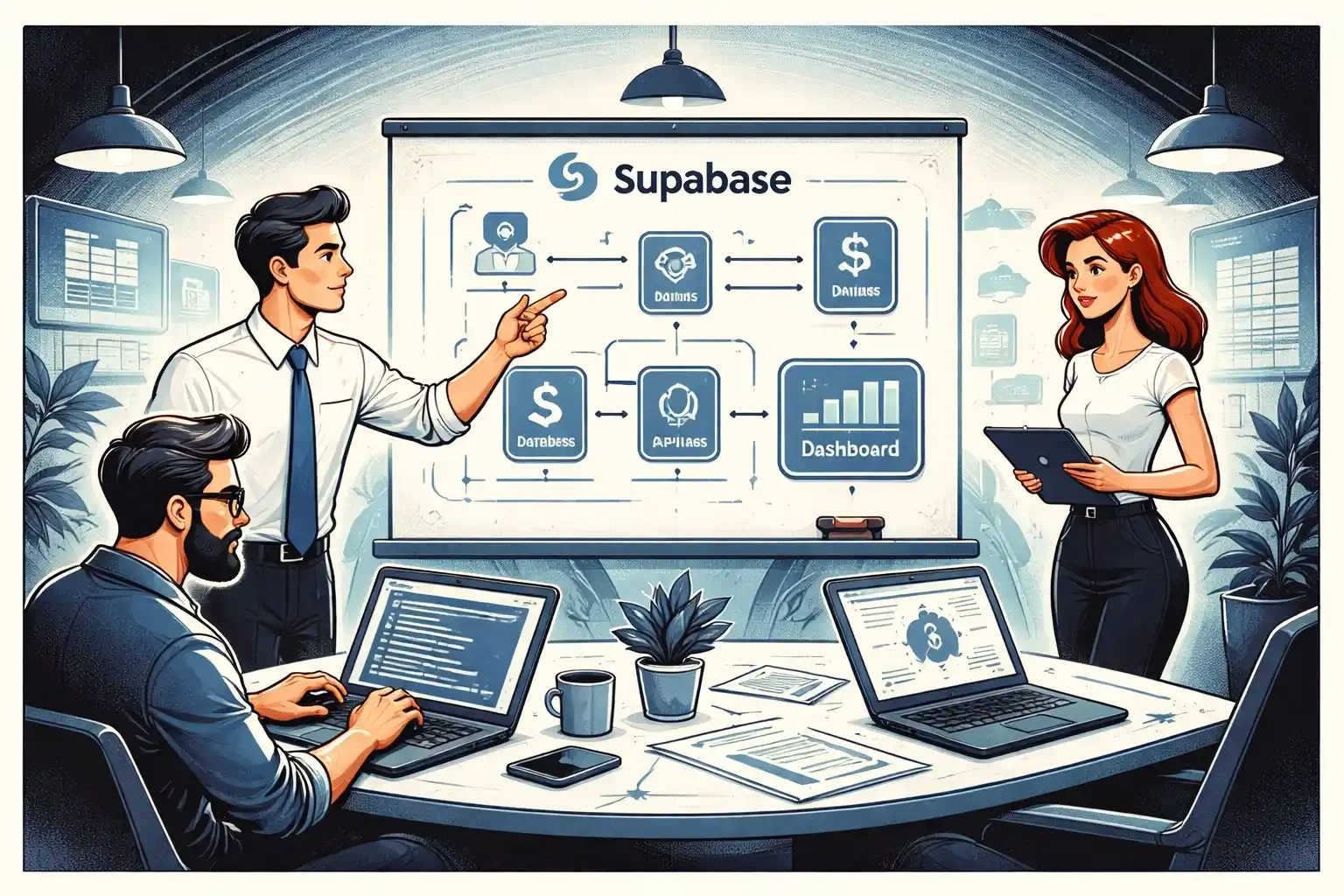
- Build stable primitives (auth, roles, data model) once.
- Keep the rest flexible (features will change).
- Avoid premature microservices, complex queues, or heavy abstractions.
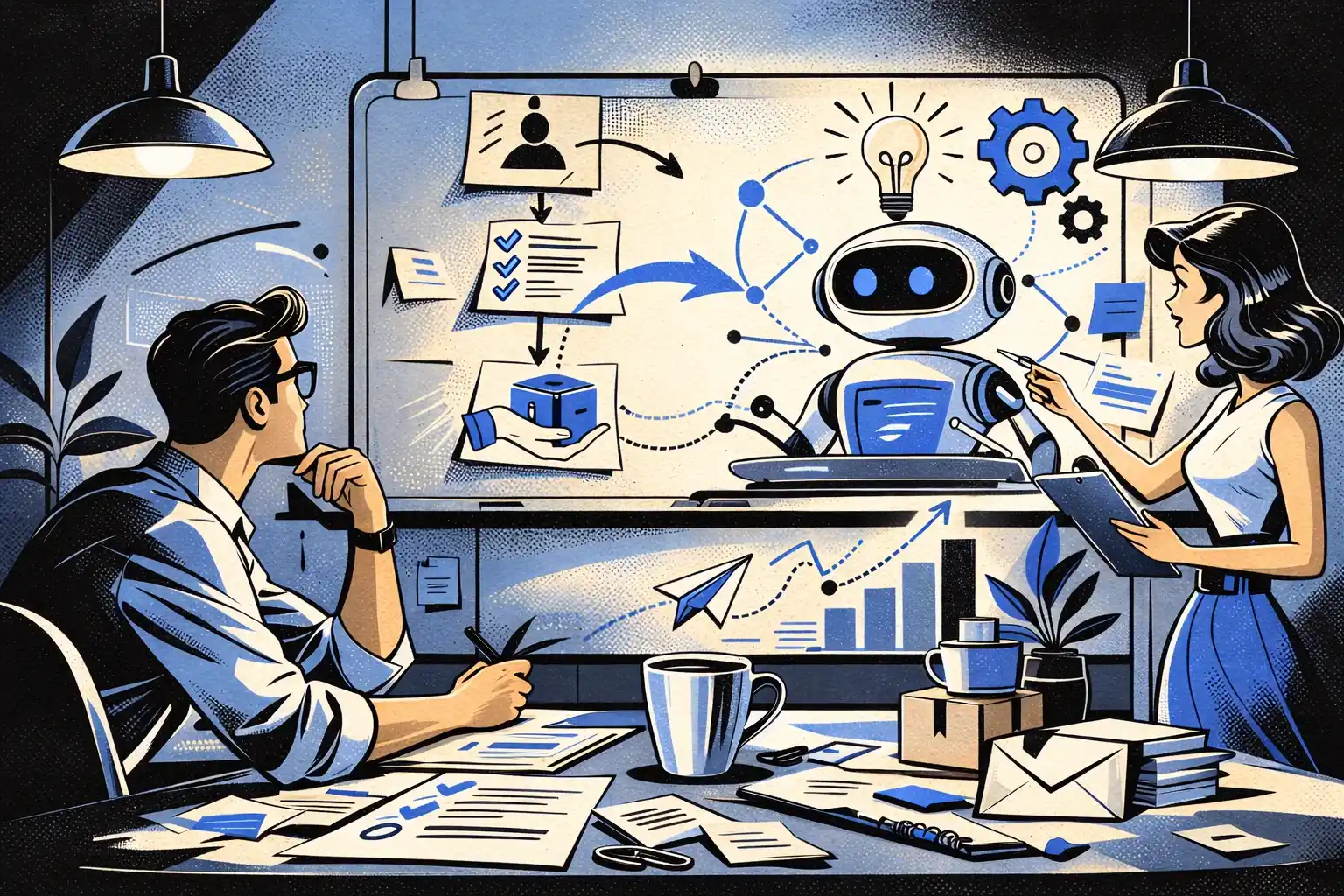
Strategy 6: Use AI only where it reduces risk or time (not as decoration)
In 2026, AI can speed up product work—but it can also add unpredictability.
Lean AI usage looks like:
- Automating repetitive ops (classification, summaries, routing).
- Improving a workflow step users already do (not inventing a new one).
- Adding guardrails, fallbacks, and clear UX when the AI is wrong.
If you want a realistic mental model for what’s “worth it,” revisit AI-Powered MVP Development: Save Time and Budget Without Cutting Quality.
A simple lean operating rhythm you can run every week
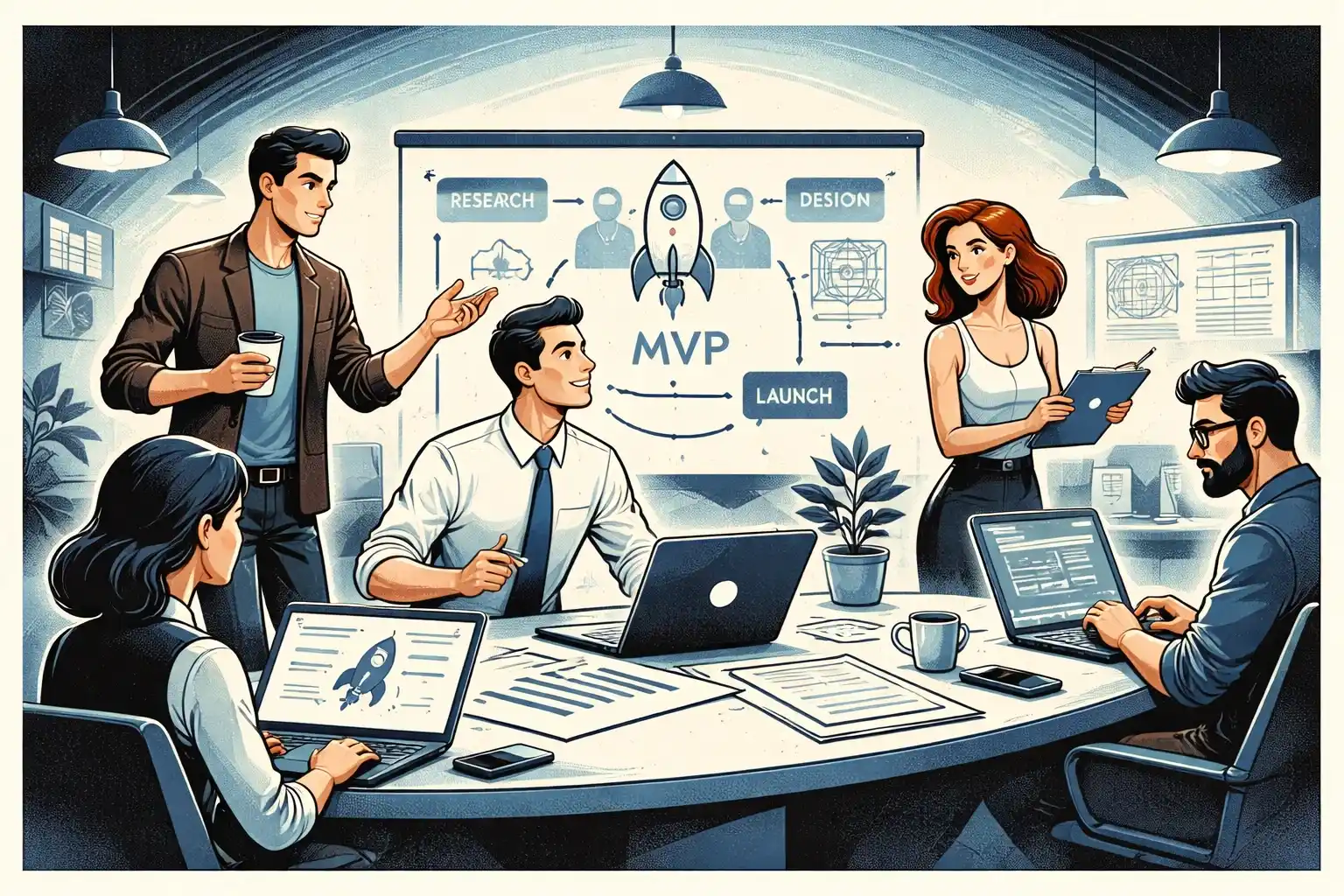
If you want a routine that keeps you lean without losing momentum:
- One measurable goal for the week (activation, onboarding drop-off, trial-to-paid).
- One change shipped that could move that goal.
- One feedback source (calls, session reviews, support messages).
- One decision: keep, adjust, or remove.
This is how you turn a small MVP into a real product—without letting the roadmap explode.
Thinking about building a web or mobile MVP in 2026?
At Valtorian, we help founders design and launch modern web and mobile apps — with a focus on real user behavior, not endless “nice-to-have” features.
Book a call with Diana
Let’s talk about your idea, scope, and fastest path to a usable MVP.
FAQ
What’s the difference between “lean” and “cheap” development?
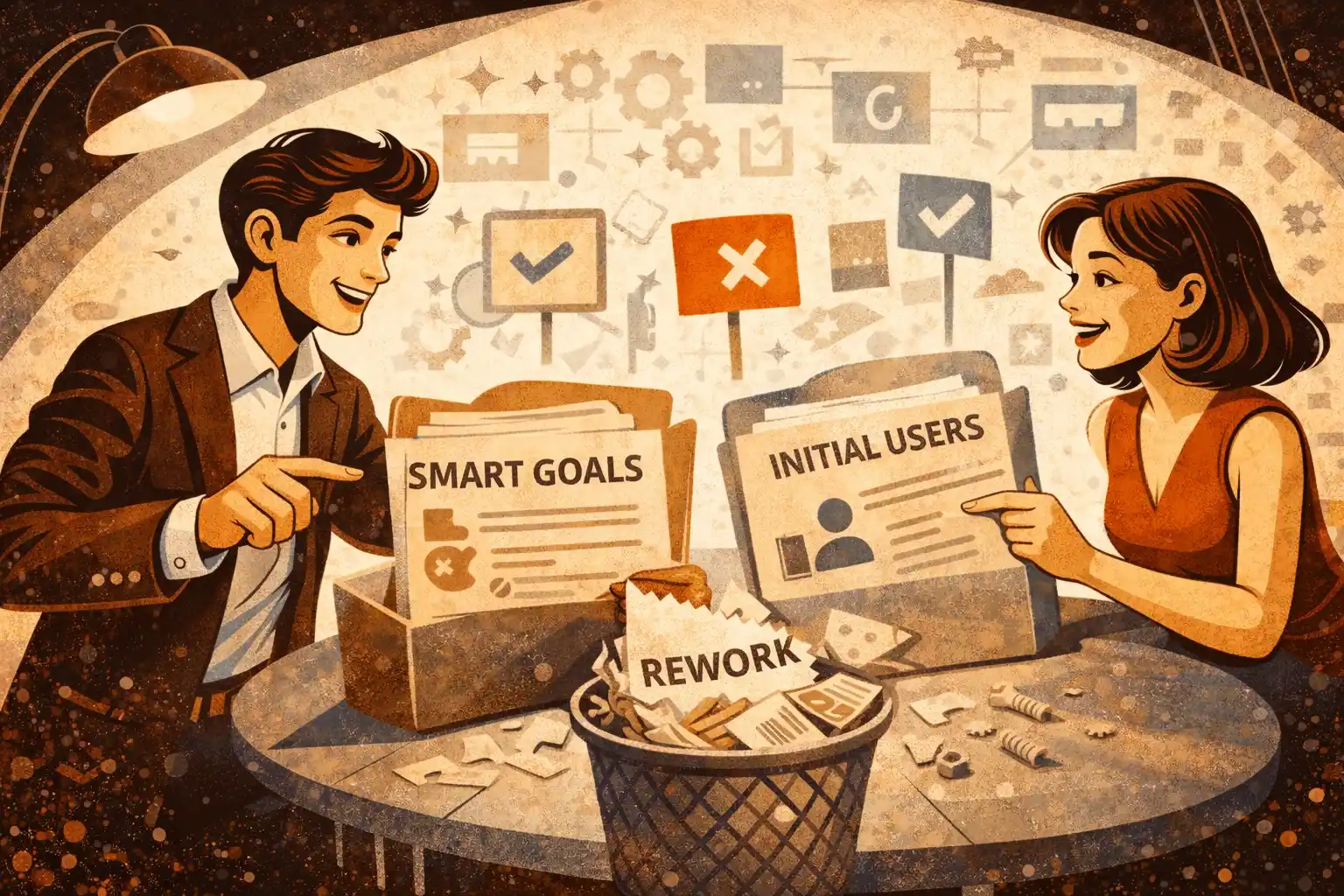
Lean focuses on learning and measurable outcomes. Cheap focuses on cost-cutting, which often creates rework that costs more later.
How small can an MVP be and still be credible?
Small is fine if the core workflow works end-to-end and the UI feels trustworthy. Broken edges and missing states usually ruin the test.
When should I add more features?
After you can show repeat use or a clear business signal. If users aren’t returning, more features usually add noise — not traction.
How do I keep scope from growing every week?
Tie every new request to a metric or a clear user outcome. If it doesn’t move one, it goes to “later.”
Do I need a discovery phase if I’m bootstrapping?
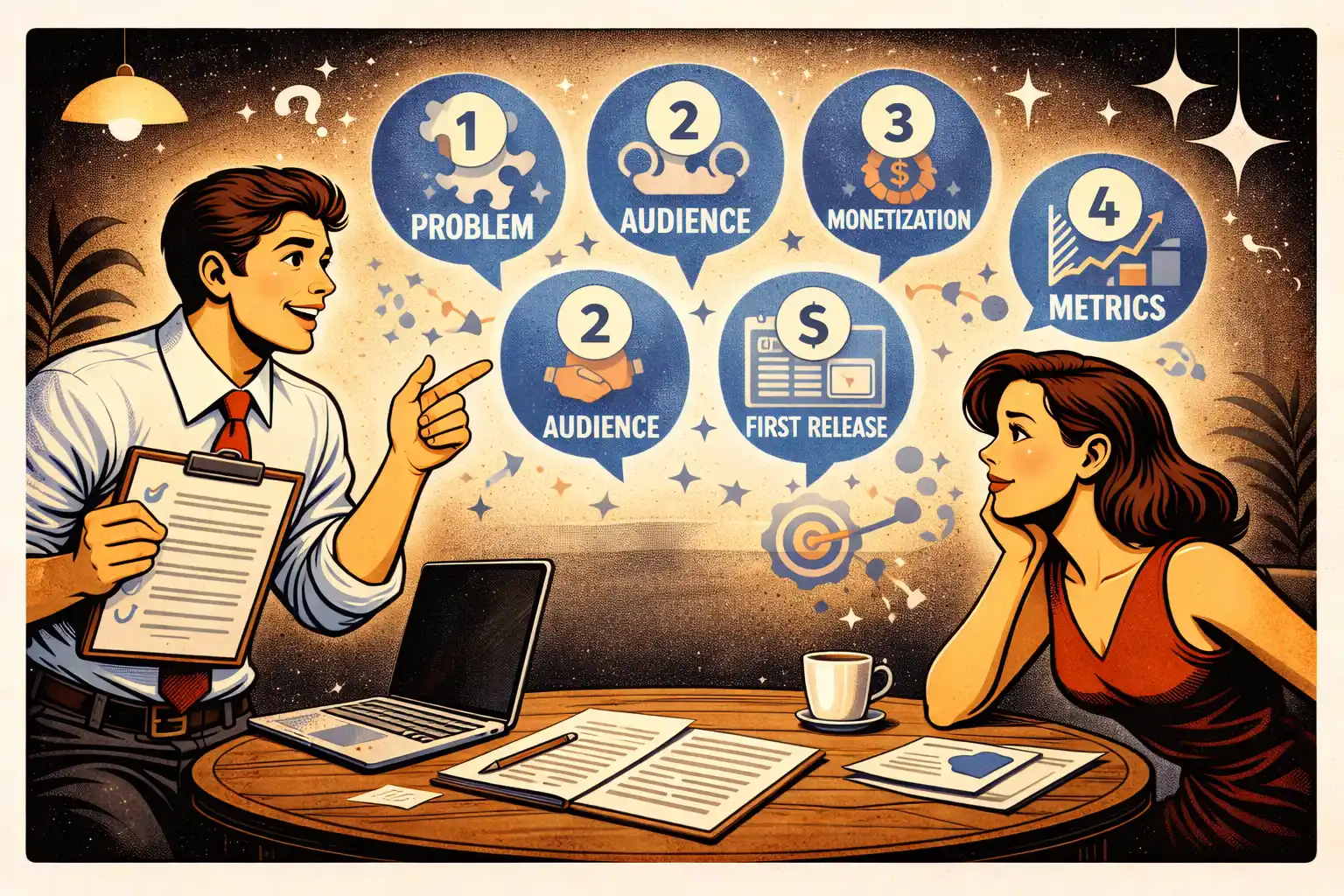
Not always. If your audience, problem, and pricing are still unclear, discovery saves money. If you already have strong signals, start with a tight MVP scope.
Can AI replace a developer or product team in 2026?
It can speed up parts of the work, but you still need product decisions, QA, and real-world constraints handled by humans.




















.webp)




.webp)