.webp)
Cross-Platform App Development for Startups in 2026: When It Makes Sense
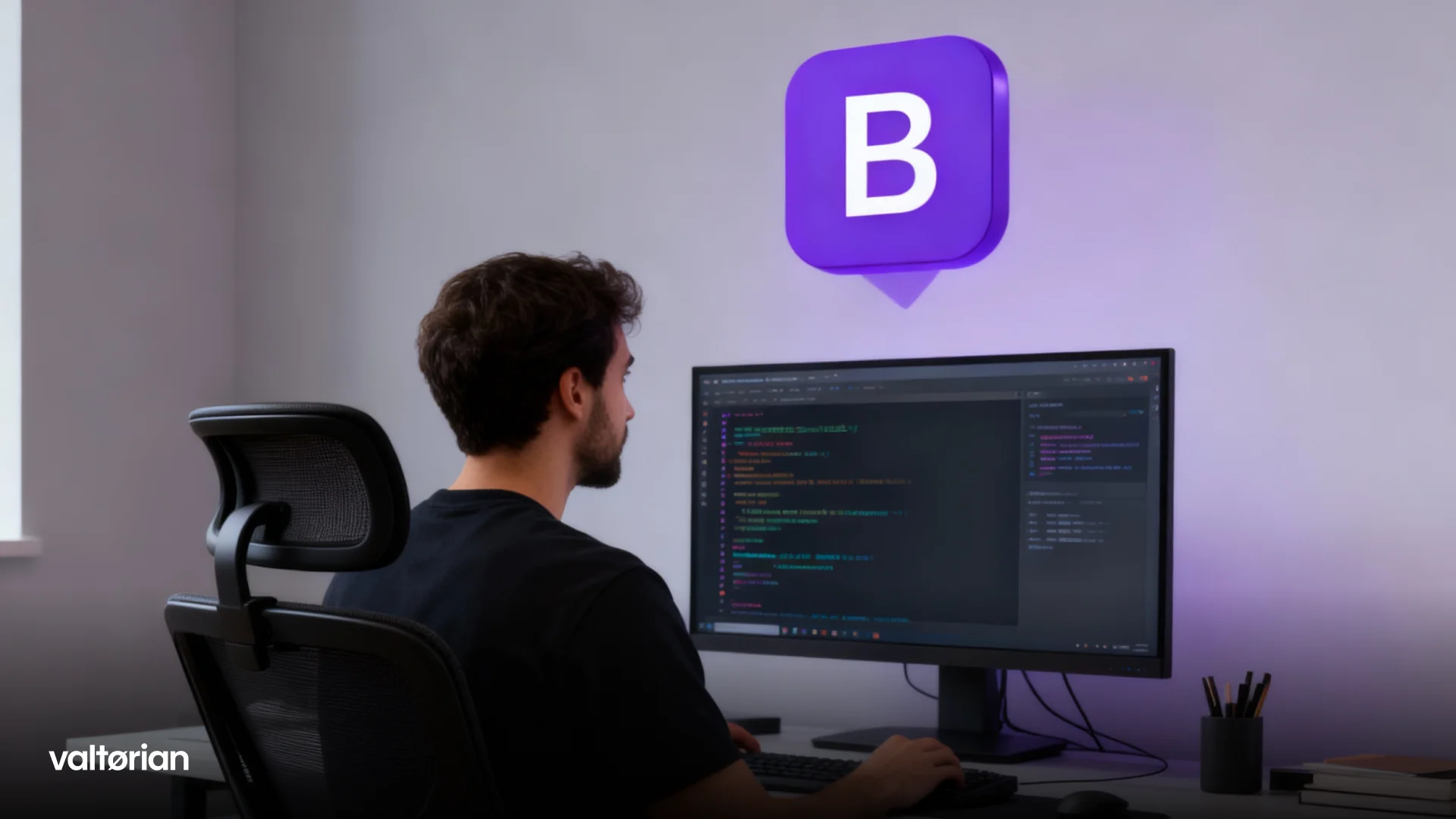
In 2026, cross-platform development is the default choice for many startups — but it’s not always the right one. The real question isn’t “Flutter or React Native?” It’s whether your first version needs deep native features, a premium iOS feel, or simply the fastest path to real user feedback. This guide helps non-technical founders decide when cross-platform is a smart MVP move, and when native is worth the extra cost.

TL;DR: Cross-platform makes sense in 2026 when speed-to-market and shared code matter more than edge-case native performance.Go native first if your MVP depends on advanced device features, heavy video/AR, or a truly premium platform-specific UX.
The founder trade-off in 2026: speed vs edge cases
Most early-stage startups are not blocked by “performance.” They’re blocked by time, clarity, and too many features.
Cross-platform shines when your biggest risk is not technical — it’s whether users will come back after week one.
If you want the simplest mental model for MVP scope, start with What a Good MVP Looks Like in 2026.
When cross-platform makes the most sense
Cross-platform is usually the right call when:
You’re building a classic startup app shape:
- onboarding
- profiles
- content feeds
- forms
- payments
- notifications
- simple dashboards
And you need:
- one team
- one shared codebase
- faster iteration loops
This is especially true for early-stage apps where the product changes weekly. If your roadmap still feels fuzzy, you’ll benefit from the kind of iteration mindset described in SaaS MVP Development Trends in 2026.
When cross-platform is the wrong first move
Native-first is often worth it when:
- your core value relies on advanced device APIs (Bluetooth-heavy, background processing, complex camera pipelines)
- you need platform-specific UX as a key differentiator
- you’re doing high-performance media, AR, or real-time rendering
In other words: when “it works” is not enough — the experience itself is the product.
If you’re unsure whether that’s your case, a useful framing is in Tech Decisions for Founders in 2026.
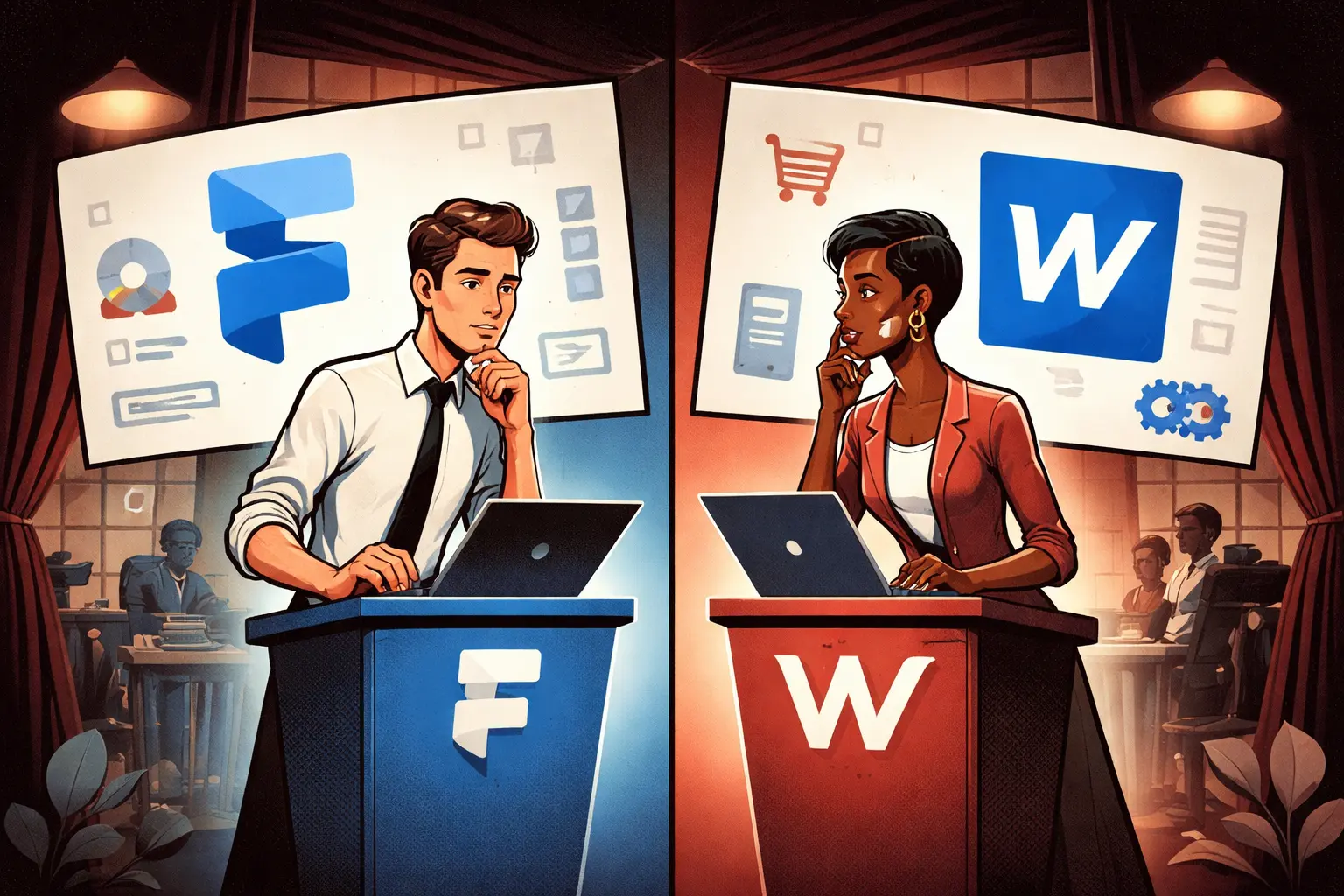
Flutter vs React Native in 2026: how to choose without overthinking
Founders often ask this like it’s a religious debate.
A more practical approach:
Pick Flutter if:
- you want consistent UI across iOS and Android
- your product relies on custom UI and predictable rendering
- you’re okay with a slightly more “engine-like” stack
Pick React Native if:
- you want to leverage web-style development patterns
- you expect to reuse some logic across web and mobile teams
- you want flexibility with JavaScript/TypeScript talent
A deeper head-to-head is covered in React Native vs Flutter for Startup App Development in 2025.
The real hidden cost: shipping two apps too early
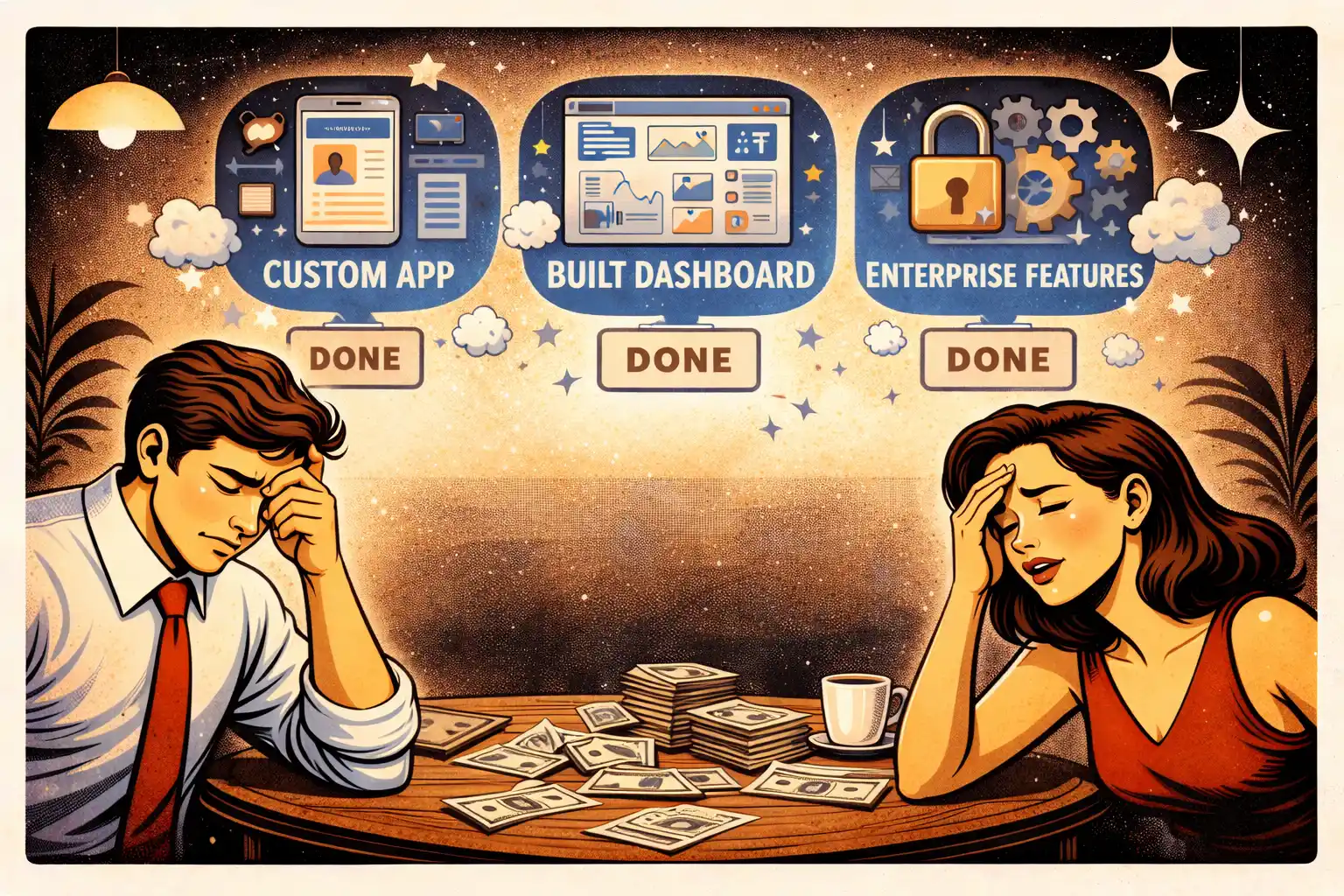
The biggest cost isn’t the framework.It’s building two platforms before you’ve proven the product.
Many founders burn budget on perfect parity and edge cases instead of focusing on the first value moment.
This mistake overlaps with what we explain in MVP Development for Non-Technical Founders: 7 Costly Mistakes.
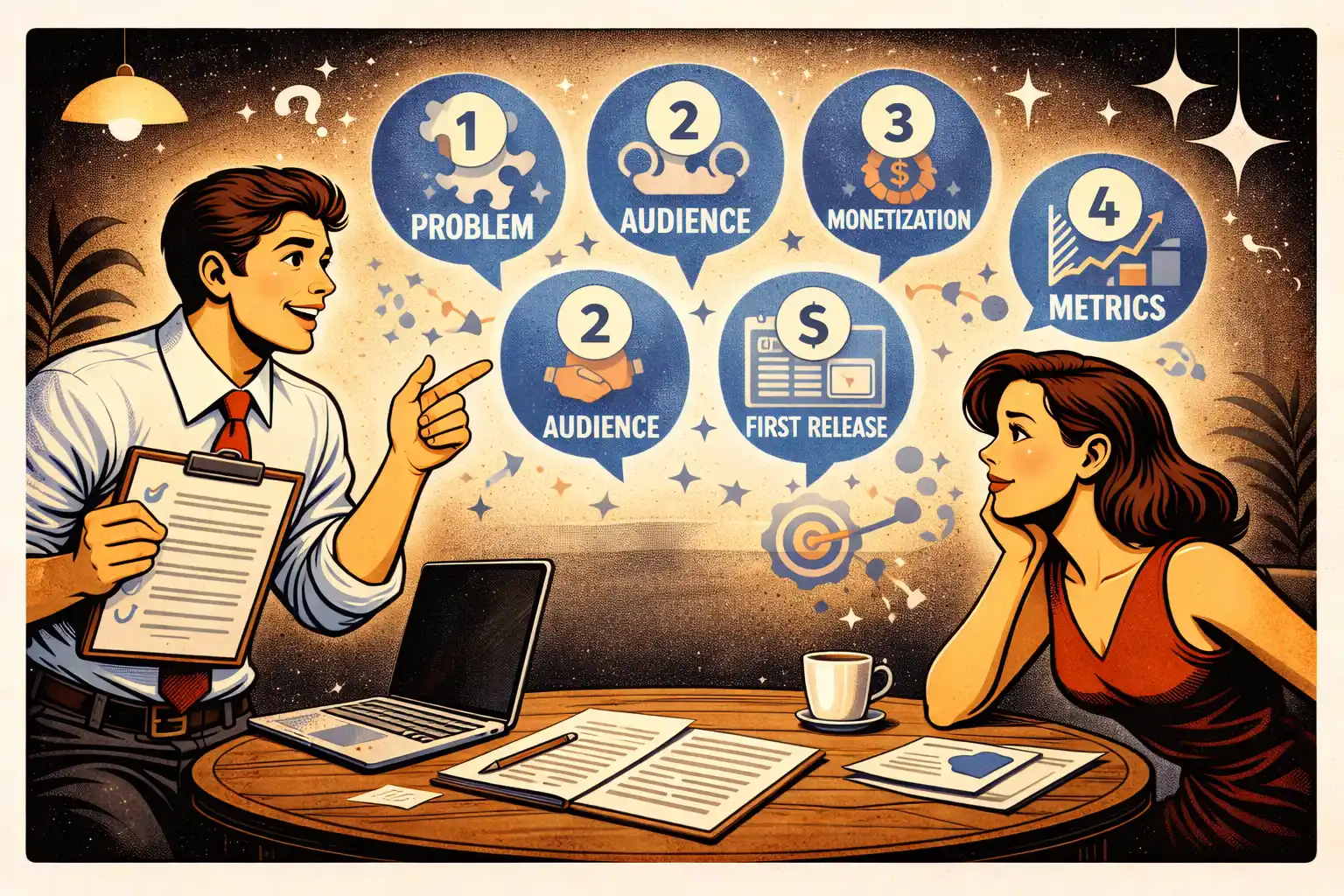
A simple decision test you can use this week
If your MVP can be described as:
“Users do X, then Y, and get value Z — mostly inside standard screens”
…cross-platform is probably right.
If it’s:
“Users need device-level behavior and platform-native experience for Z to feel magical”
…native-first might be justified.
If you’re bootstrapping, this decision should also be tied to budget sequencing and launch timing. For a realistic cost baseline, see App Development Cost for Startups: Web vs Mobile vs SaaS.
Thinking about building a cross-platform app in 2026?
At Valtorian, we help founders choose the right approach (Flutter, React Native, or web-first) — based on real MVP risk, not framework hype.
Book a call with Diana
Let’s talk about your idea, scope, and fastest path to a usable MVP.
FAQ
Is cross-platform still the best default for startups in 2026?
Often, yes — especially for MVPs where speed and iteration matter more than edge-case native performance.
When should I go native first?
When your core value depends on advanced device APIs, high-performance media, or platform-specific UX that is the product.
Is Flutter better than React Native in 2026?
It depends. Flutter is great for consistent UI and custom design. React Native is strong if your team leans toward TypeScript and web patterns.
Will cross-platform make my app slower?
Not necessarily. For most MVPs, the performance difference is not what determines success.
Can I start cross-platform and switch to native later?
Yes, but plan for it. The goal is to validate product value first, then invest in deeper native work if traction justifies it.
What’s the biggest cross-platform mistake founders make?
Treating “two platforms” as the goal. The goal is proving value — not shipping parity.
























































.webp)




.webp)