.webp)
Launching an MVP the Right Way in 2026
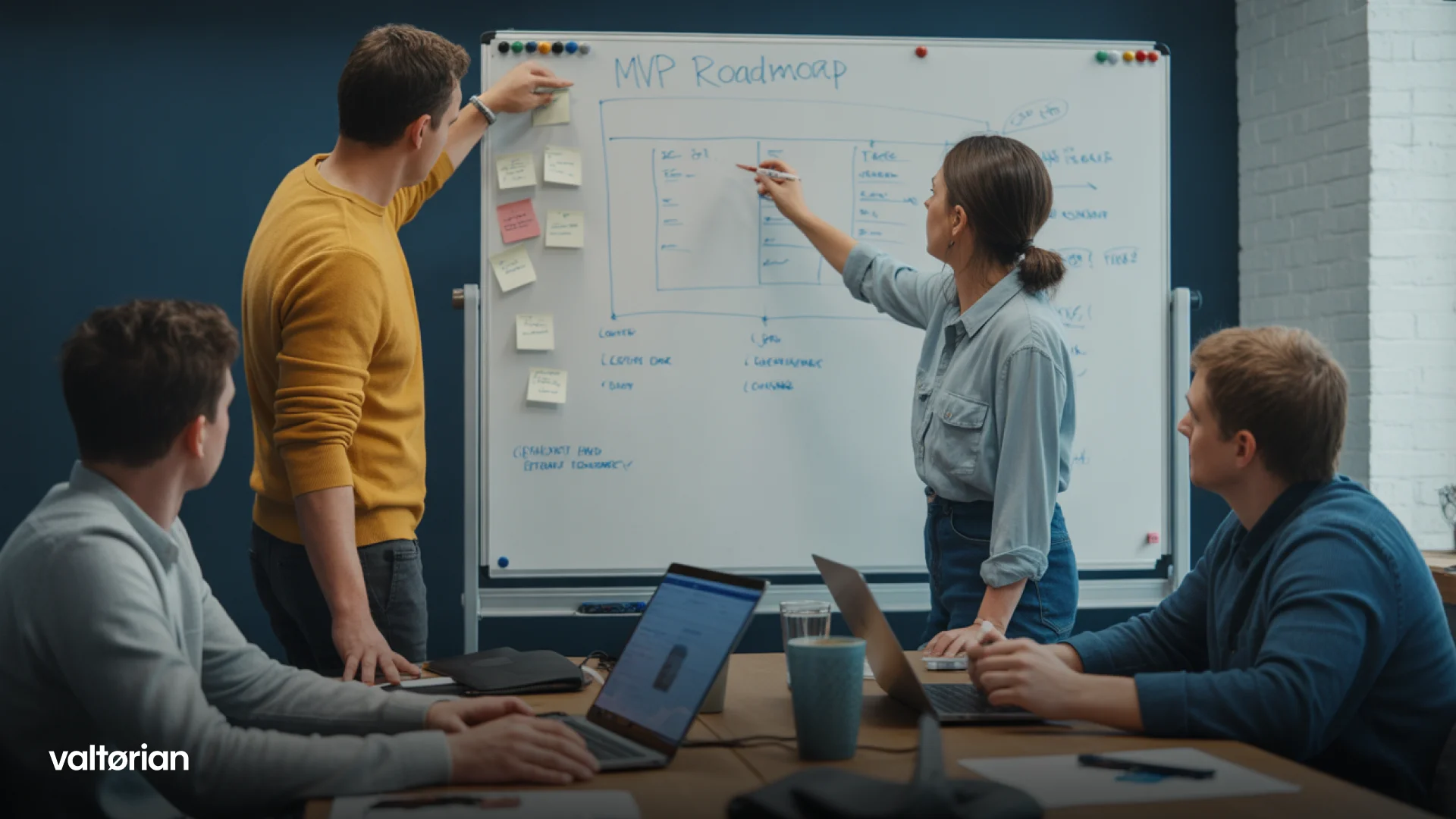
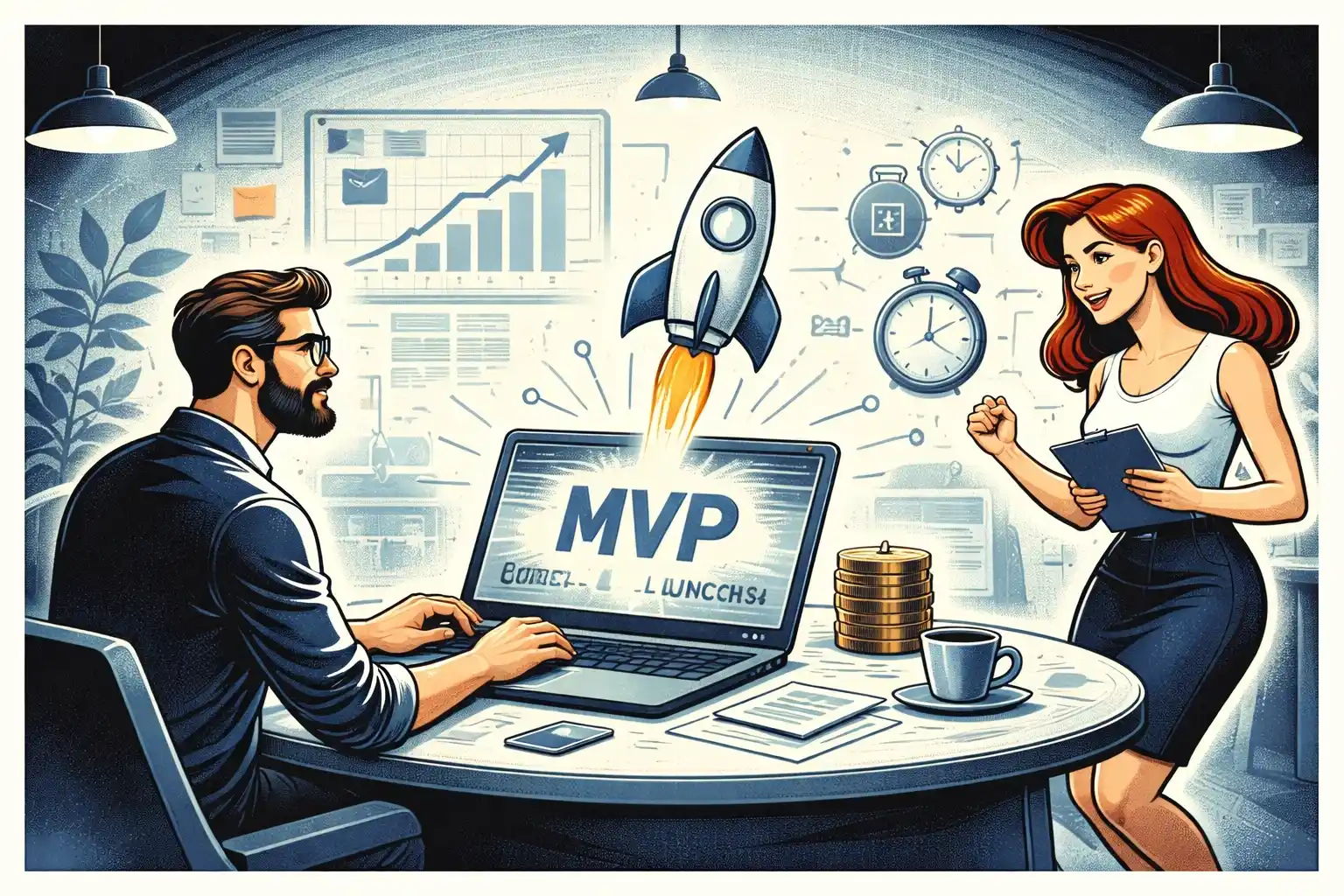
Launching an MVP in 2026 isn’t about shipping “something” fast — it’s about shipping the smallest useful version that people actually use, then learning quickly without burning runway. In this article, you’ll learn what should be true before you launch, how to define a launchable scope, what to measure from day one, and how to plan the first month after release. The goal is a launch that creates momentum, not a one-week spike followed by silence.

TL;DR: A good MVP launch in 2026 is a product decision, not a marketing moment: ship the smallest useful workflow, measure real behavior, and iterate weekly.If your MVP doesn’t have a clear “first success” action and a plan for the first 30 days after launch, you’re not launching — you’re hoping.
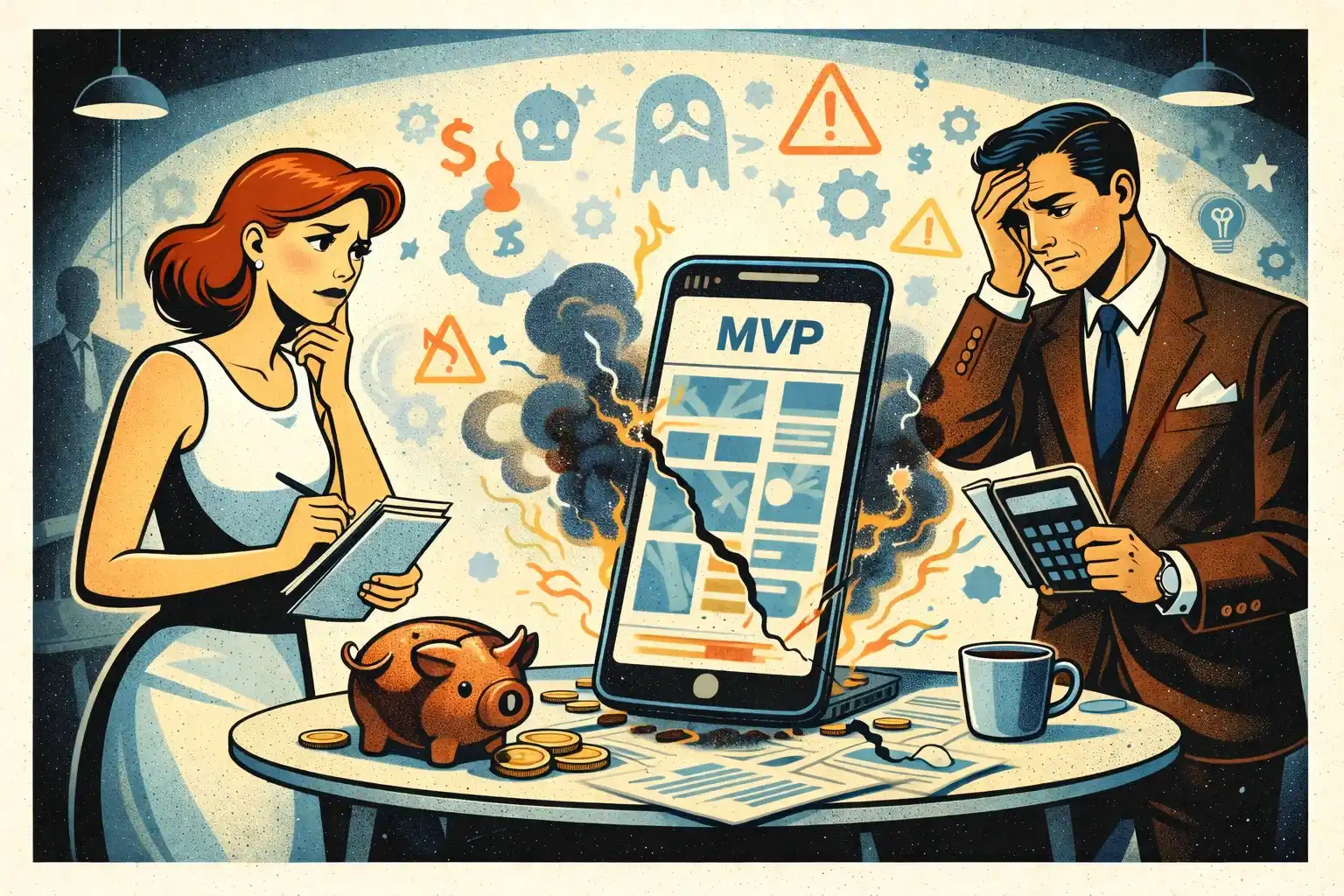
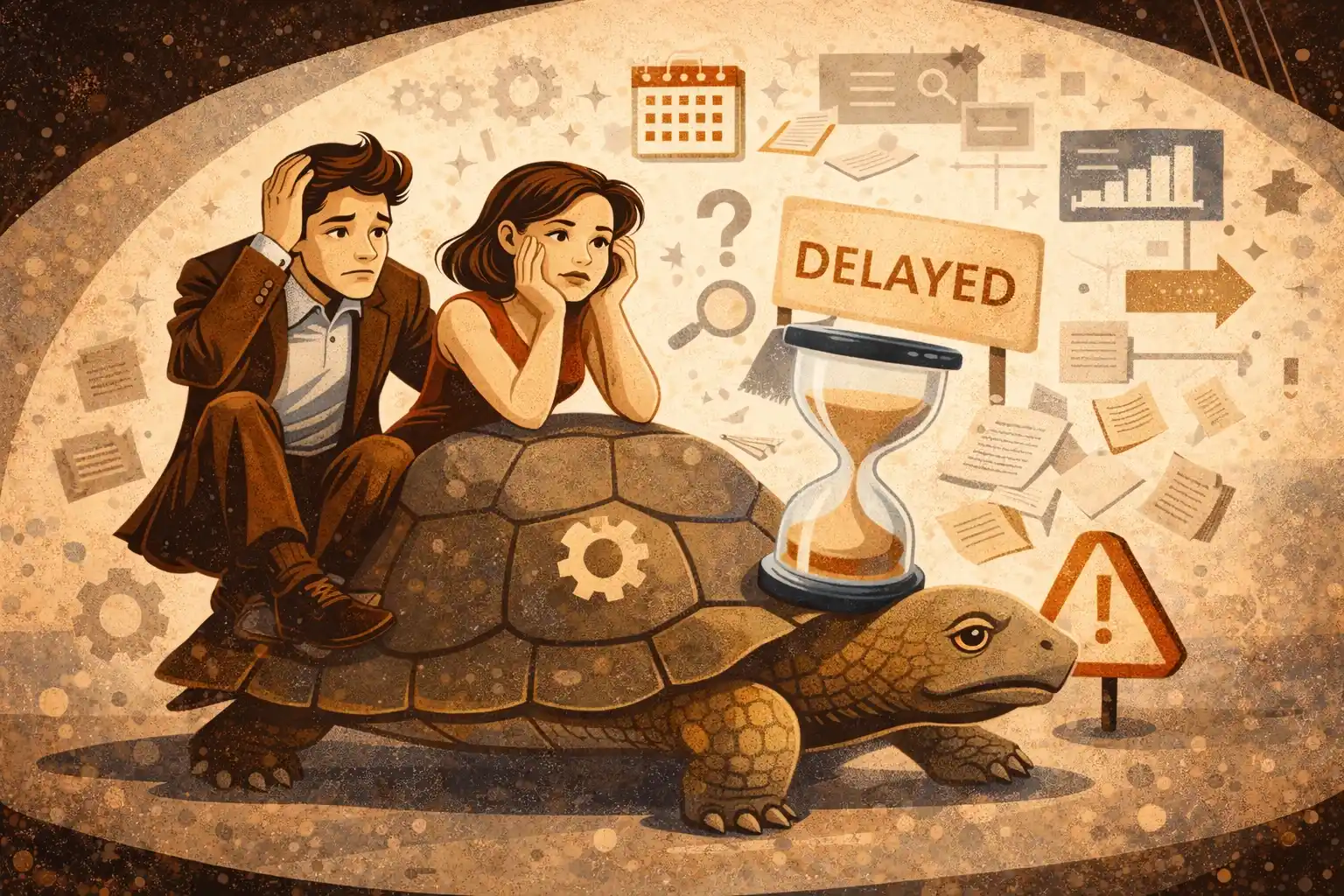
Why MVP launches fail (even when the product is “done”)
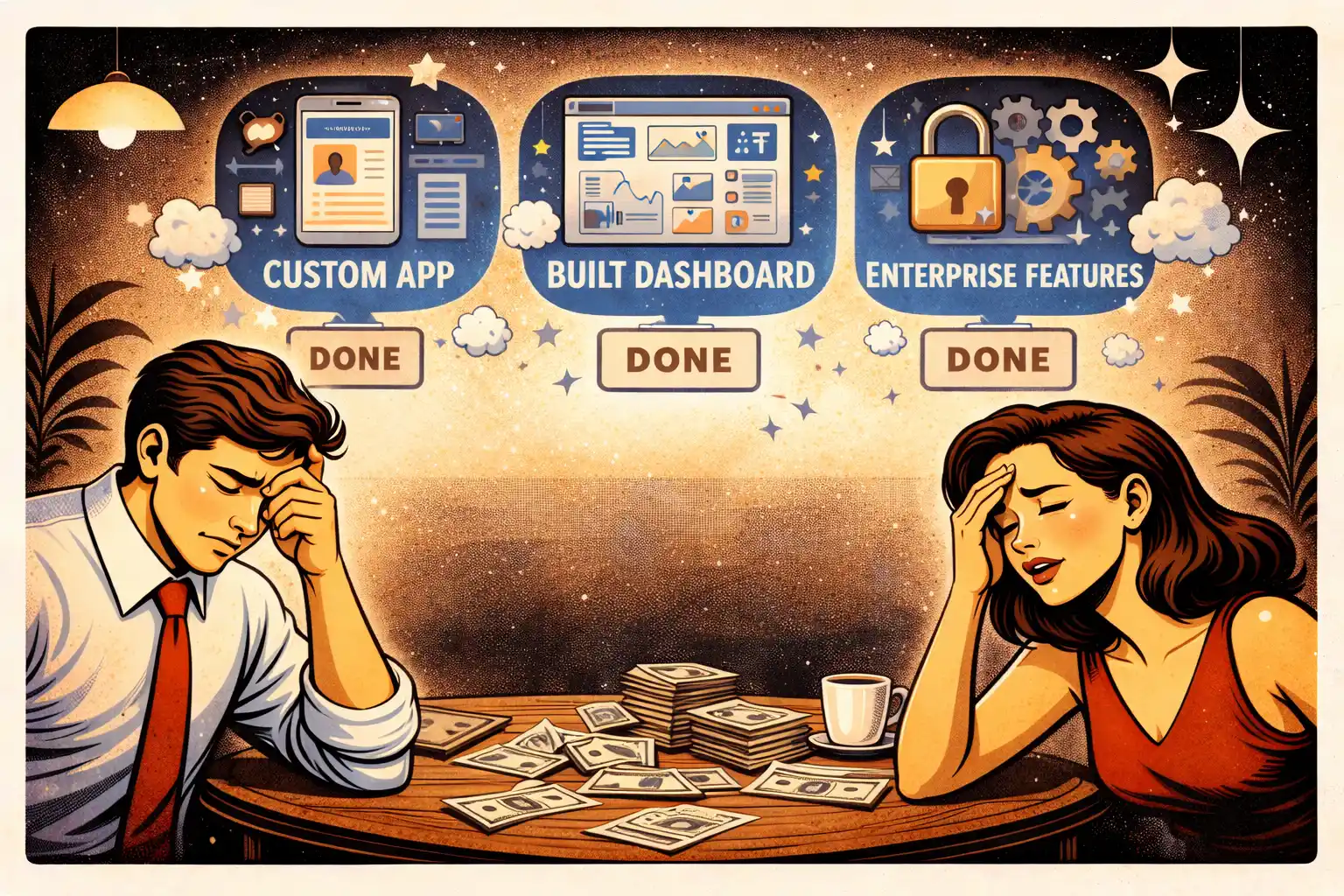
Most founders don’t fail because they can’t build. They fail because they launch the wrong thing.
A “done” MVP can still be unlaunchable when:
- the scope is a bundle of nice-to-haves, not one clear workflow,
- the user hits a blank state and has no idea what to do next,
- nobody knows what success looks like because nothing is measured,
- the team disappears after release and calls it “v1 shipped.”
In 2026, distribution is noisy and tools are cheap. Your advantage is not shipping fast — it’s shipping something people can complete on day one.
If you want a simple definition of what an MVP should include (and what it shouldn’t), start with MVP Development Services for Startups: What’s Actually Included.
Step 1: Define a launchable MVP (not a “phase 1 roadmap”)
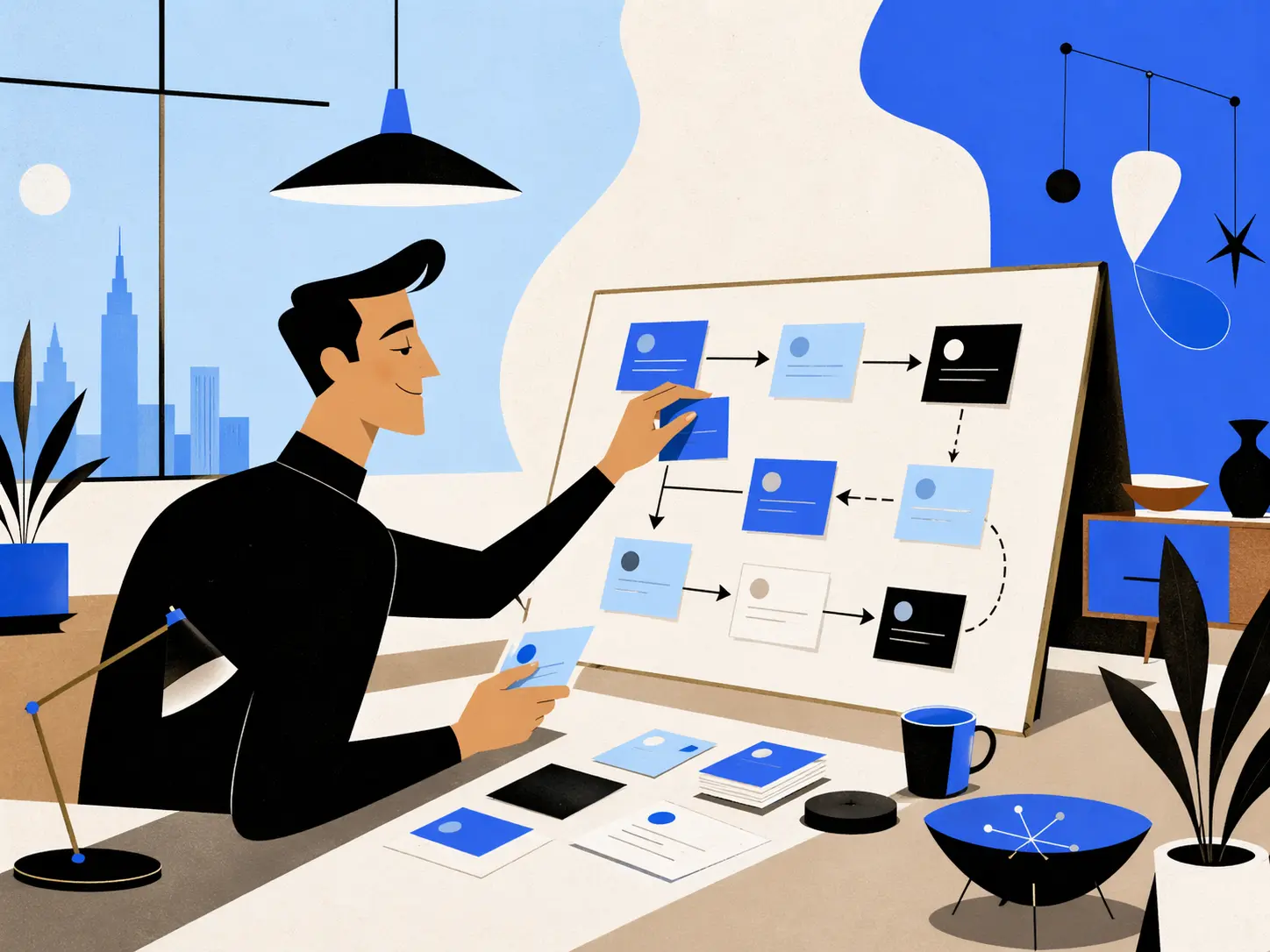
A launchable MVP is one workflow that ends with a clear user outcome.
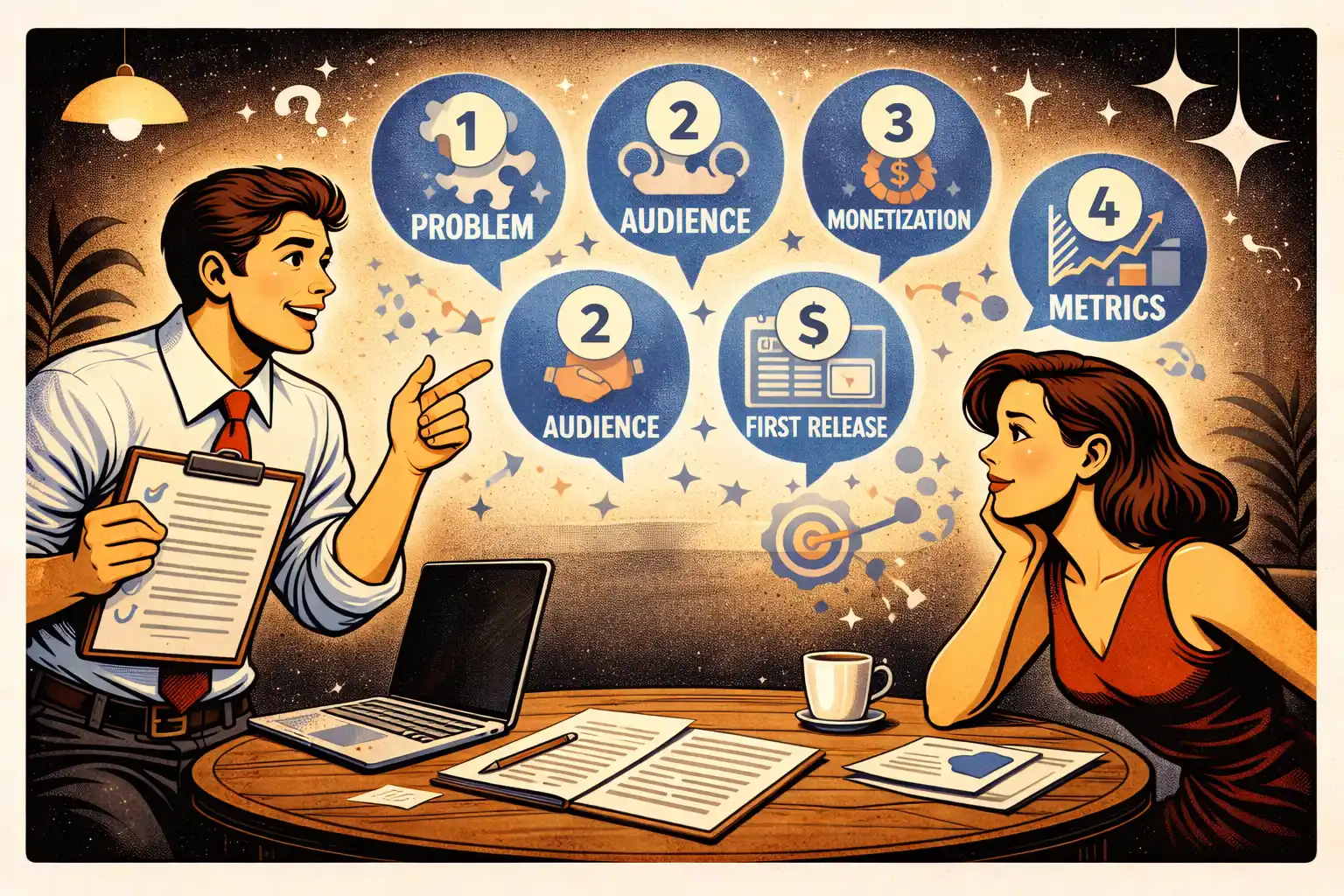
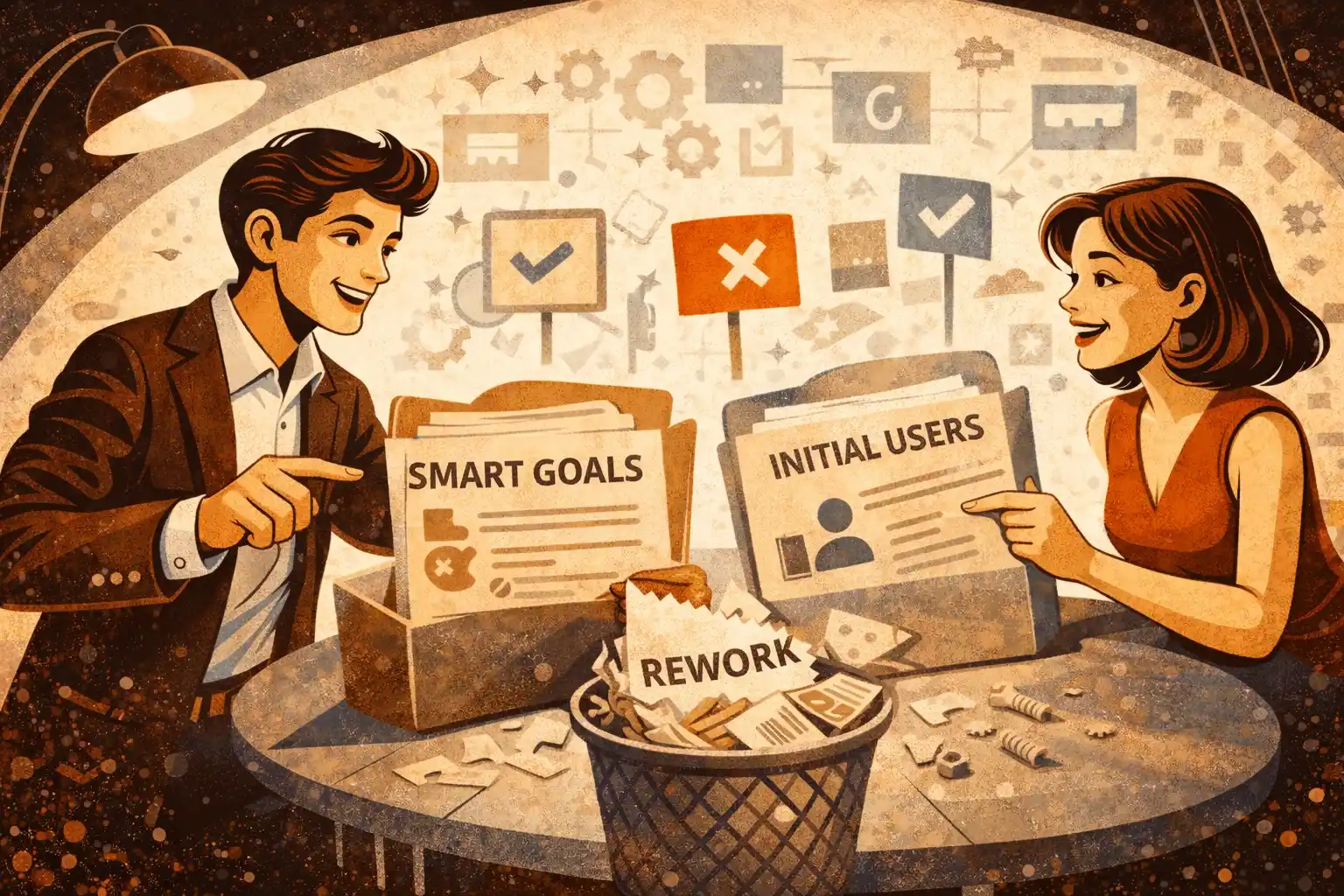
Before you write a single user story, answer three questions in plain language:
- Who is it for?One primary user type. If you have two user roles, pick the one you can satisfy first.
- What is the “first success” action?The one action that proves the product delivered value (not “sign up”). Example: “created the first project,” “completed the first booking,” “invited a teammate,” “generated the first report.”
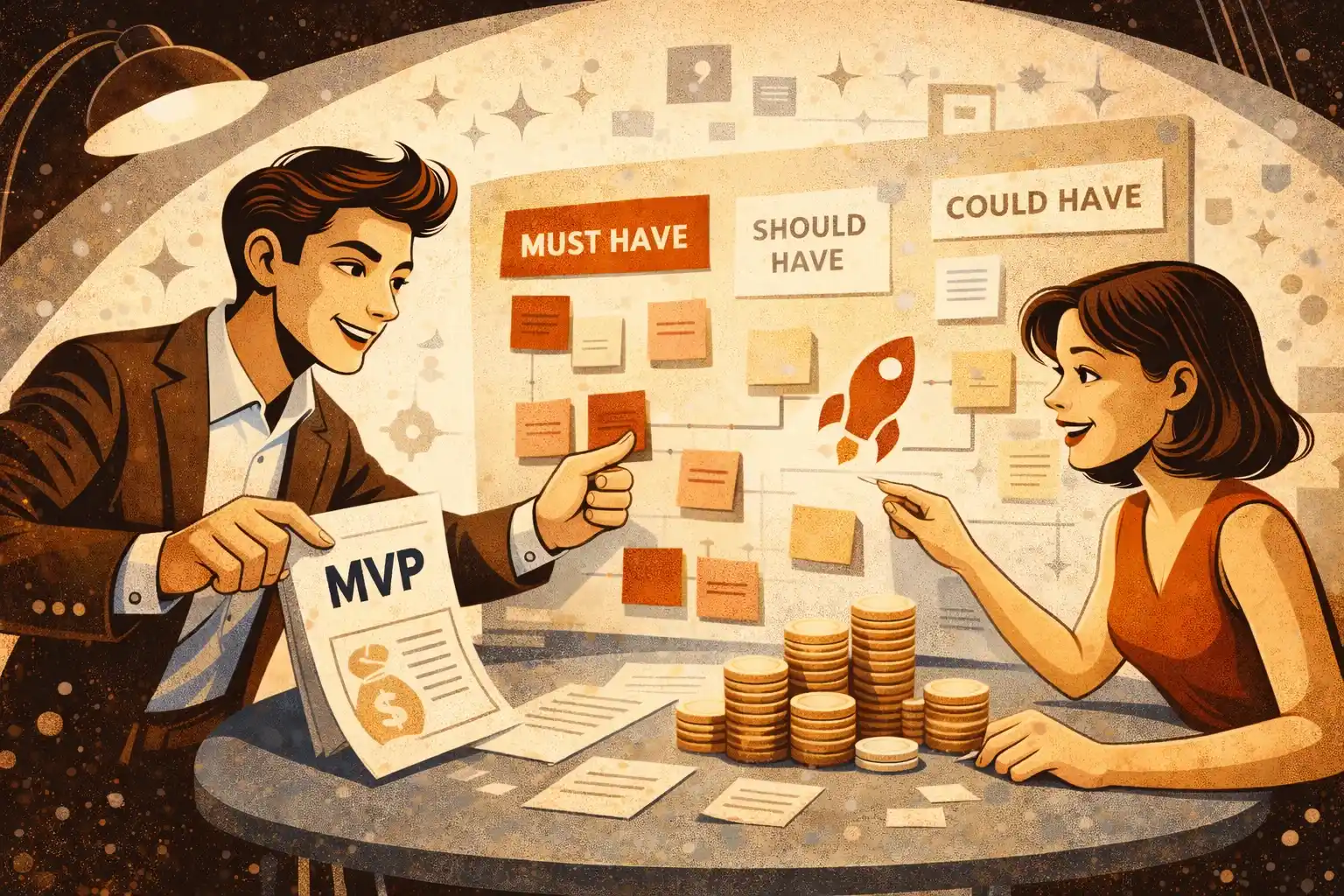
- What will you cut if you’re late?If everything is “must-have,” the launch date is fiction.
A practical scope test:
- If you remove this feature, can a user still reach first success?
- If you keep this feature, does it change the decision to buy?
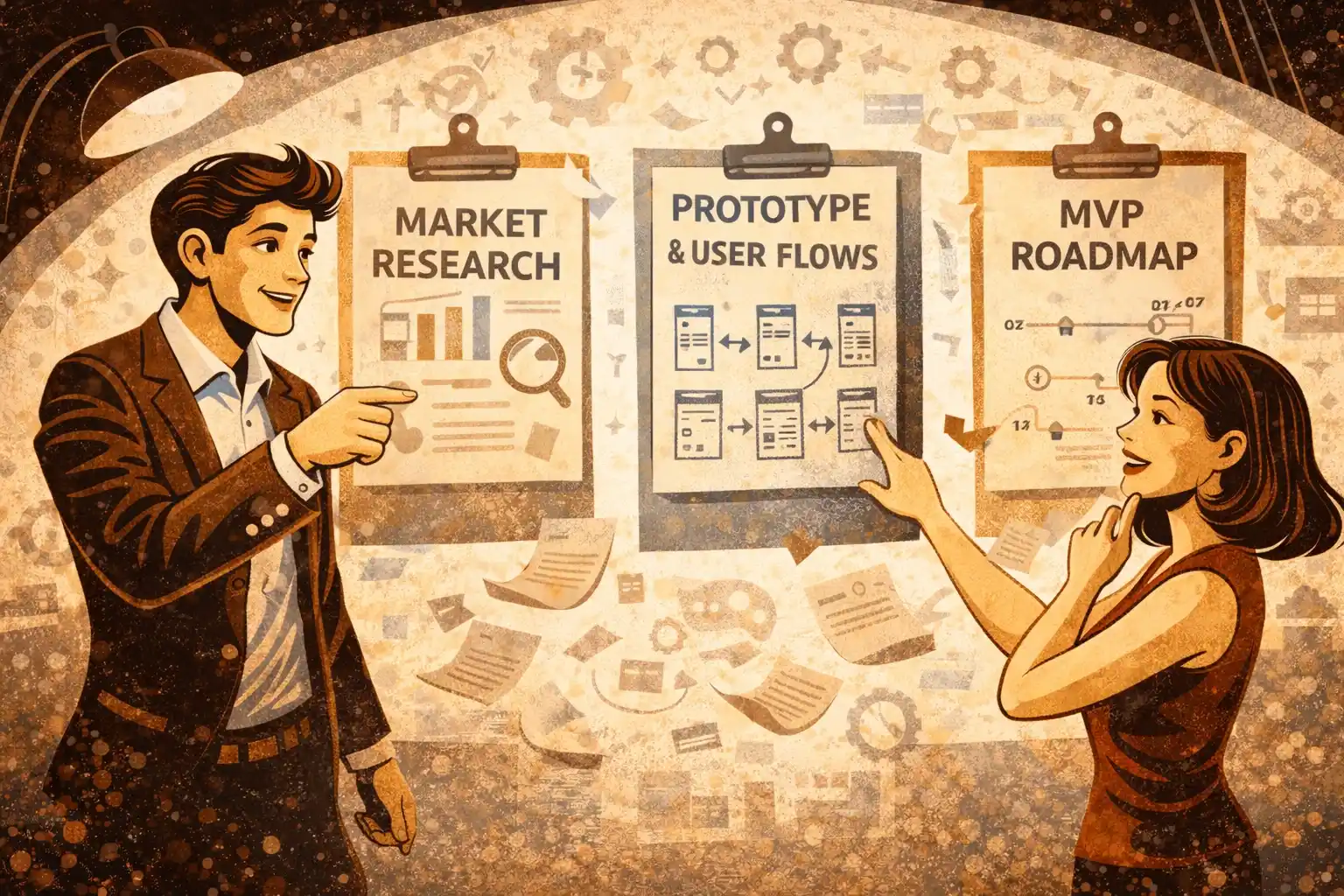
If you’re still validating the idea, run quick proof before building. Validate a Startup Idea Before Development: 5 Experiments That Work is a solid starting point.
Step 2: Build for day-one usability, not just feature completeness
Founders over-index on feature lists and under-index on “what happens on the first session.”
In 2026, your MVP needs:
A guided first session
- a short onboarding that captures only what’s required,
- a default path that leads to first success,
- no dead ends (every screen has a next step).
Strong defaults
Users don’t want to configure. They want to start.
- pre-filled examples,
- recommended settings,
- a safe “recommended” option.
One feedback channel built-in
Even a simple “Contact support” path prevents silent churn. You want people to tell you what broke.
Step 3: Launch with measurement from day one
If you can’t measure behavior, you can’t learn — and you’ll confuse opinions with truth.
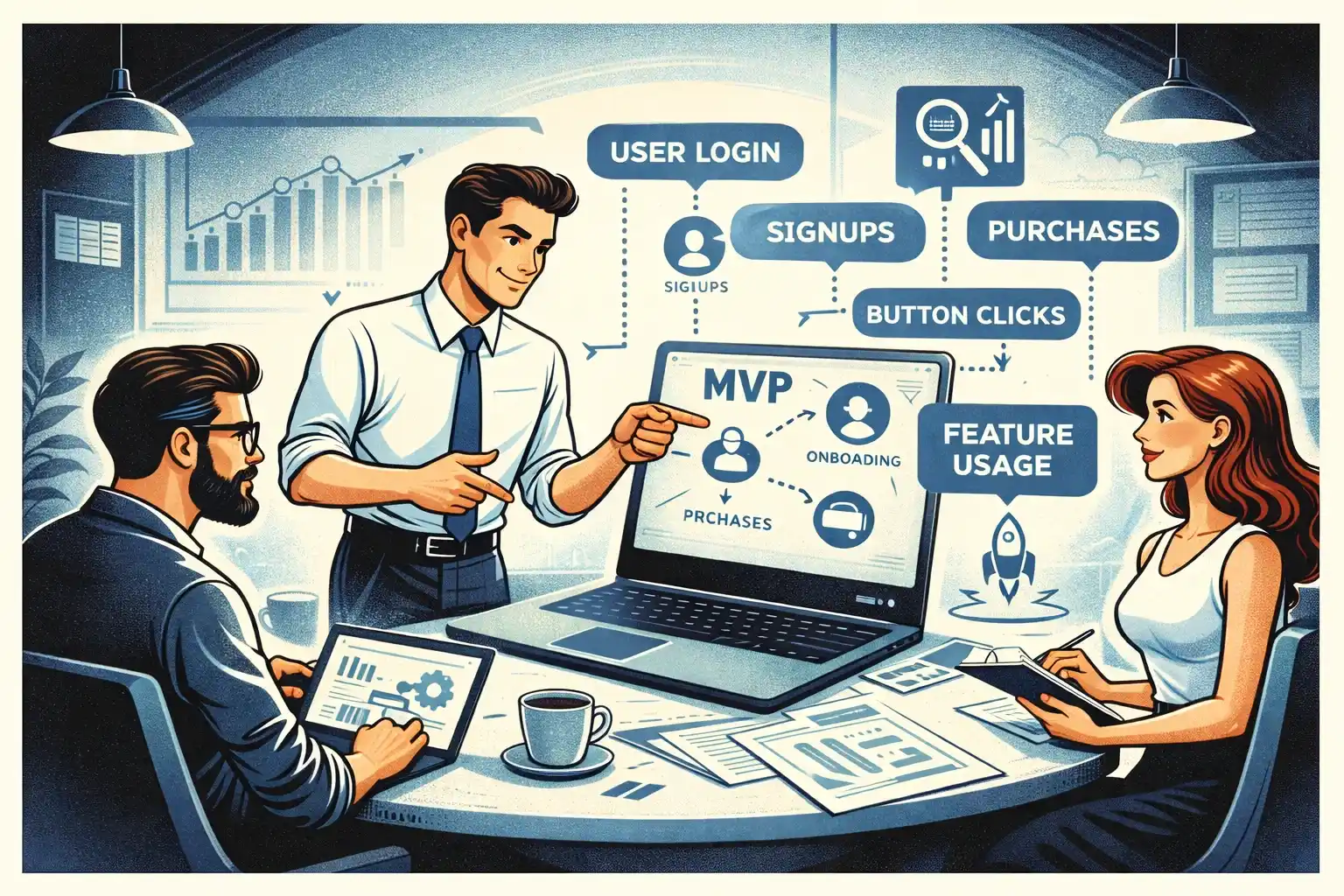
Minimum measurement for an MVP launch:
- activation: did users reach first success?
- time-to-value: how long did it take?
- drop-off: where do people stop?
- retention signal: did they come back?
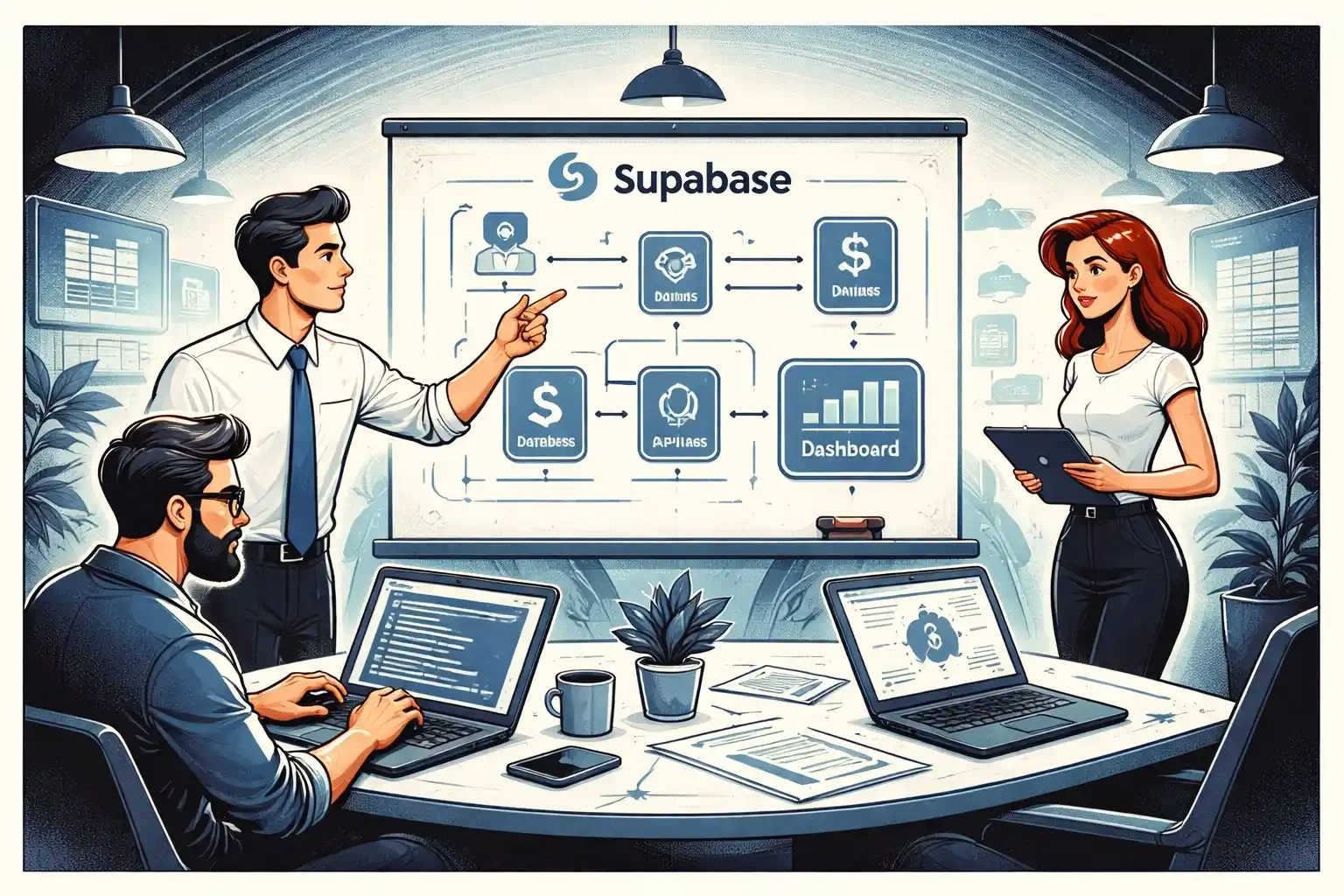
You don’t need a complex analytics setup to start. You do need a small set of events that map to your workflow.
If you want to think like an investor (and build the right dashboard early), read Your First Product Metrics Dashboard: What Early-Stage Investors Want to See.
Step 4: Treat launch day as the start of the work
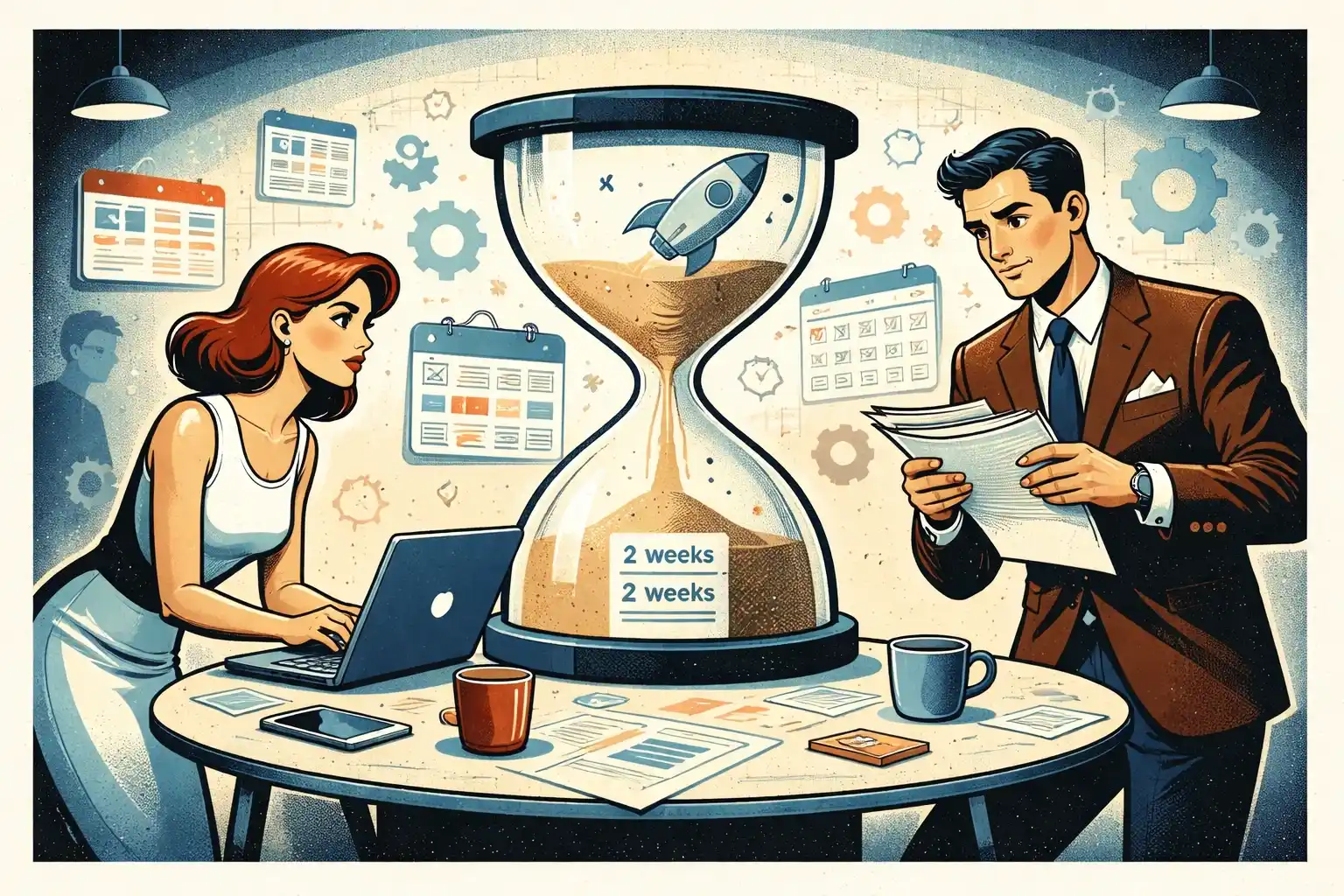
The best MVP launches have a plan for the first 30 days.
Here’s what “right” usually looks like:
- Week 1: fix onboarding friction and obvious bugs; tighten the path to first success.
- Week 2: improve activation; remove steps; clarify messaging; simplify UI.
- Week 3: add one retention lever (notifications, reminders, saved state, templates — whatever fits your product).
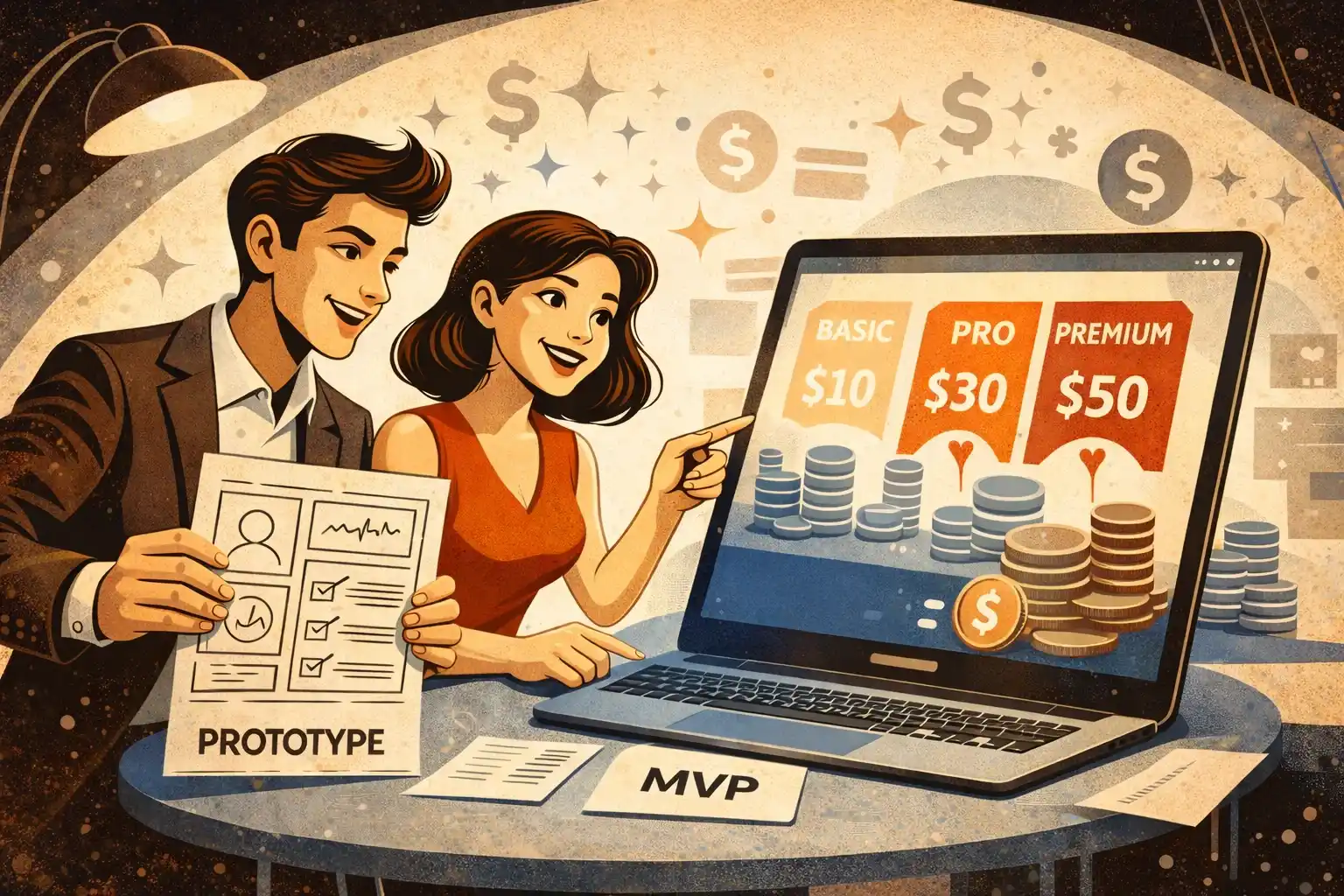
- Week 4: revisit pricing, packaging, and upgrade triggers based on real usage.
The point is not “more features.” The point is “less friction.”
If you’re aiming for a fast launch cadence, How to Launch an App in Weeks: Fast MVP and First Version Launch Framework will help you keep the delivery honest.
A simple “right way” launch checklist for 2026
Use this as a sanity check the week before release:
- The MVP has one primary user journey and one primary outcome.
- A first-time user can reach first success without a call with you.
- The product has sensible defaults and no blank states.
- You track activation and drop-off across the core flow.
- You have a plan for support and weekly iteration after launch.
- You know what you will not build in the next 30 days.
If you want a full end-to-end view (from early discovery to first paying users), Full-Cycle MVP Development: From Discovery to First Paying Users is the bigger picture.
Thinking about launching an MVP in 2026?
At Valtorian, we help founders design and launch modern web and mobile apps — with a focus on real user behavior, not vague roadmaps.
Book a call with Diana
Let’s talk about your idea, scope, and fastest path to a usable MVP.
FAQ
What’s the difference between an MVP and a beta?
A beta is a distribution label. An MVP is a scope decision: the smallest version that delivers a real outcome.
How do I know my MVP scope is still too big?
If you can’t explain the one core workflow in one sentence, or you have multiple “first success” actions, it’s too big.
Should I validate before building in 2026?
If you’re unsure about the user, problem, or willingness to pay — yes. If you already have demand signals, you can build immediately with a tight scope.
What metrics should I track at launch?
Track one activation outcome, time-to-value, and the main drop-off point in the core flow. Everything else can wait.
What should be ready before I invite real users?
A guided first session, basic support path, and analytics for the core workflow. You don’t need “perfect,” but you do need “usable.”
When should I add more features after launch?
Only after the core flow is working and measurable. Most MVPs fail from adding features before fixing friction.










































.webp)




.webp)