.webp)
What Non-Technical Founders Should Know in 2026
In 2026, non-technical founders have more opportunities than ever — but also more ways to make expensive mistakes. Tools are faster, AI is everywhere, and development feels accessible, yet building a successful startup still depends on making the right early decisions. This article explains what non-technical founders should understand in 2026 about MVPs, tech choices, validation, and teams — without diving into code or jargon.

TL;DR: Non-technical founders don’t need to learn how to code in 2026 — but they do need to understand how products are built, validated, and launched. The biggest risks are still overbuilding, skipping validation, and choosing the wrong execution model. Founders who focus on clarity, speed, and learning consistently outperform those chasing complexity.
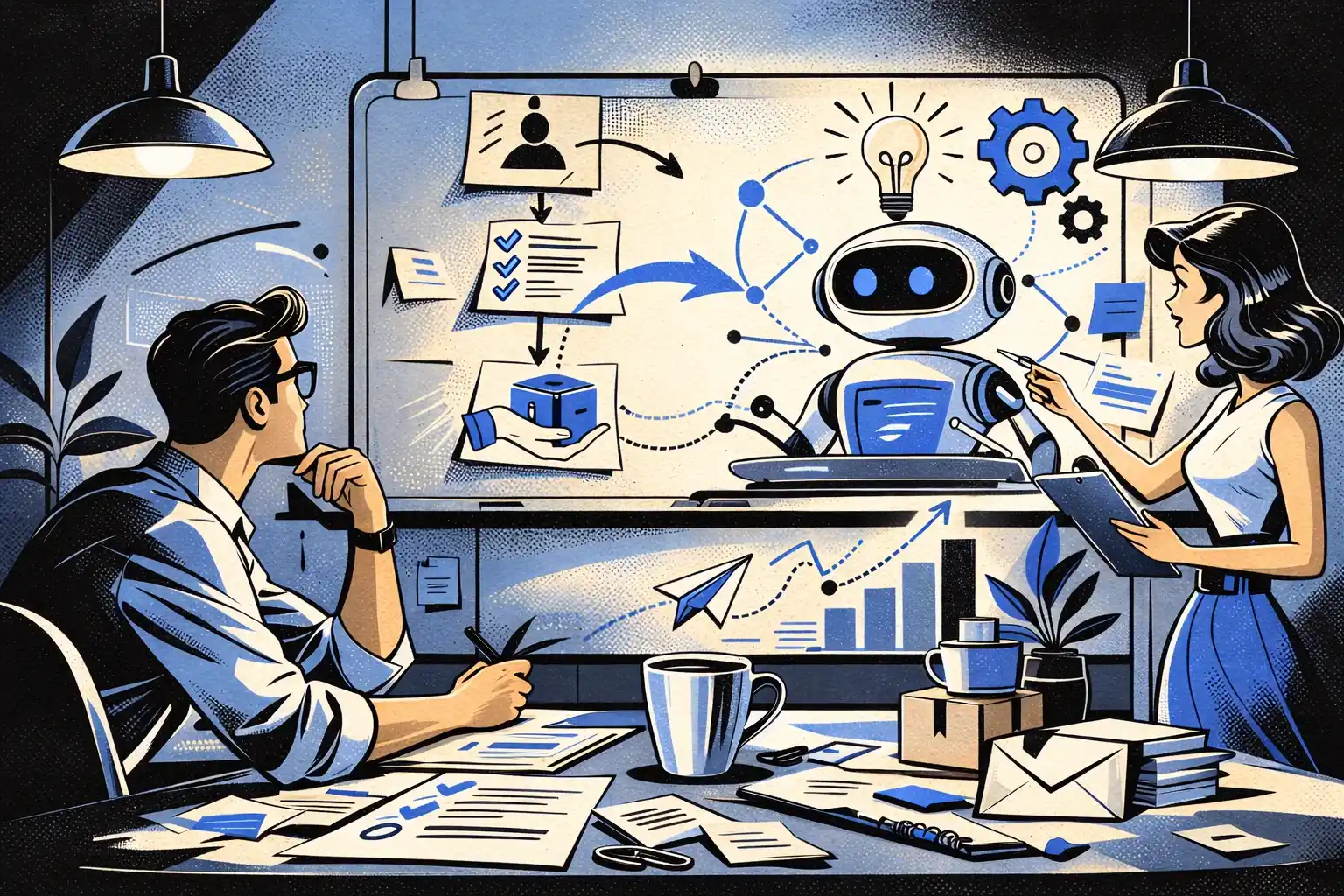
The role of non-technical founders has changed
In 2026, being a non-technical founder is no longer a disadvantage.
What has changed is the responsibility.
Founders are now expected to:
- understand MVP logic
- make informed tech decisions
- validate ideas early
- communicate clearly with builders
You don’t need to write code — but you do need to lead the product.
For a step-by-step breakdown of how non-technical founders approach app creation today, “App Development for Non-Technical Founders: A Step-by-Step Guide” offers a solid foundation.
You are responsible for product clarity — not technology
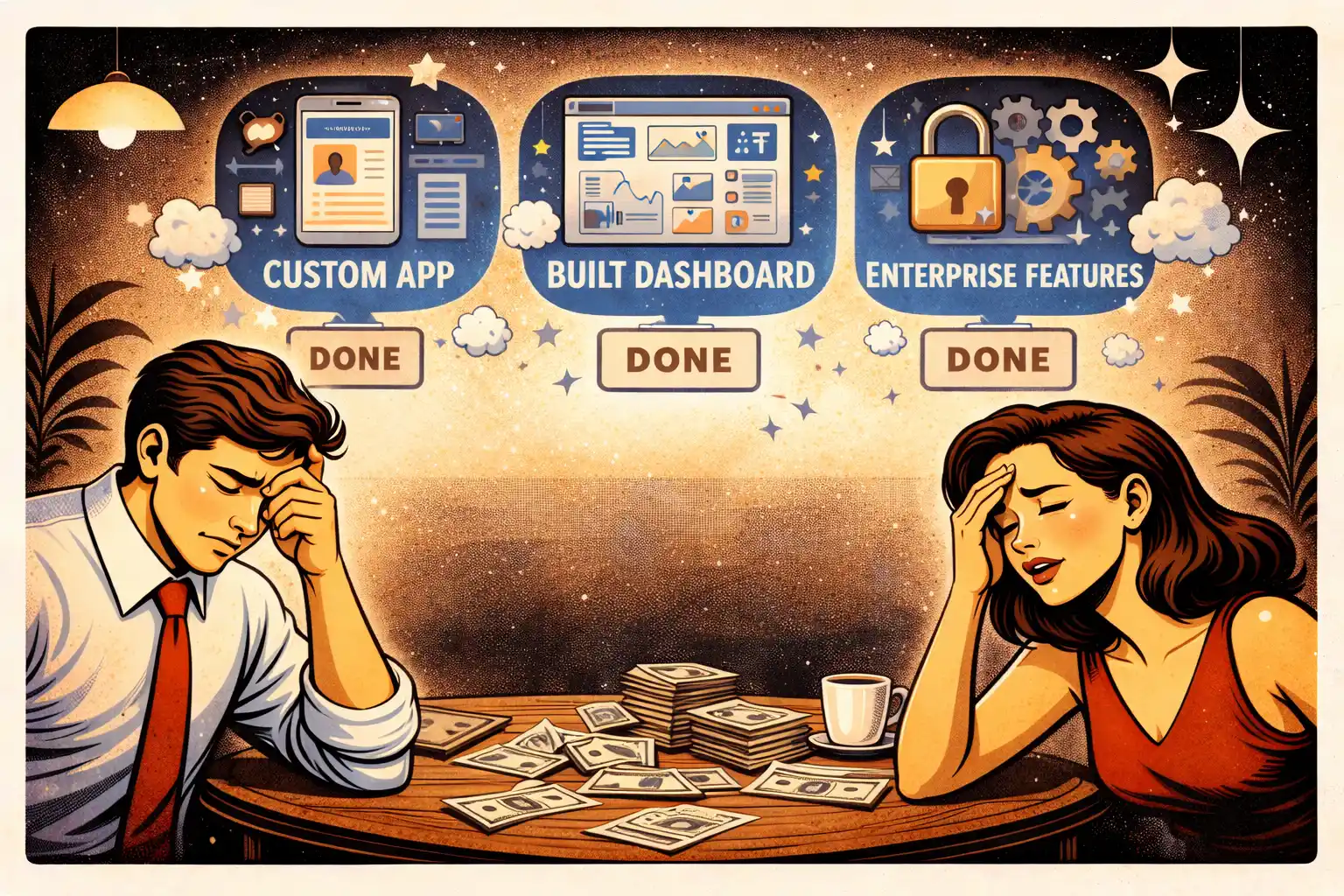
Many non-technical founders believe their main weakness is lack of technical knowledge.
In reality, the most damaging gaps are:
- unclear problem definition
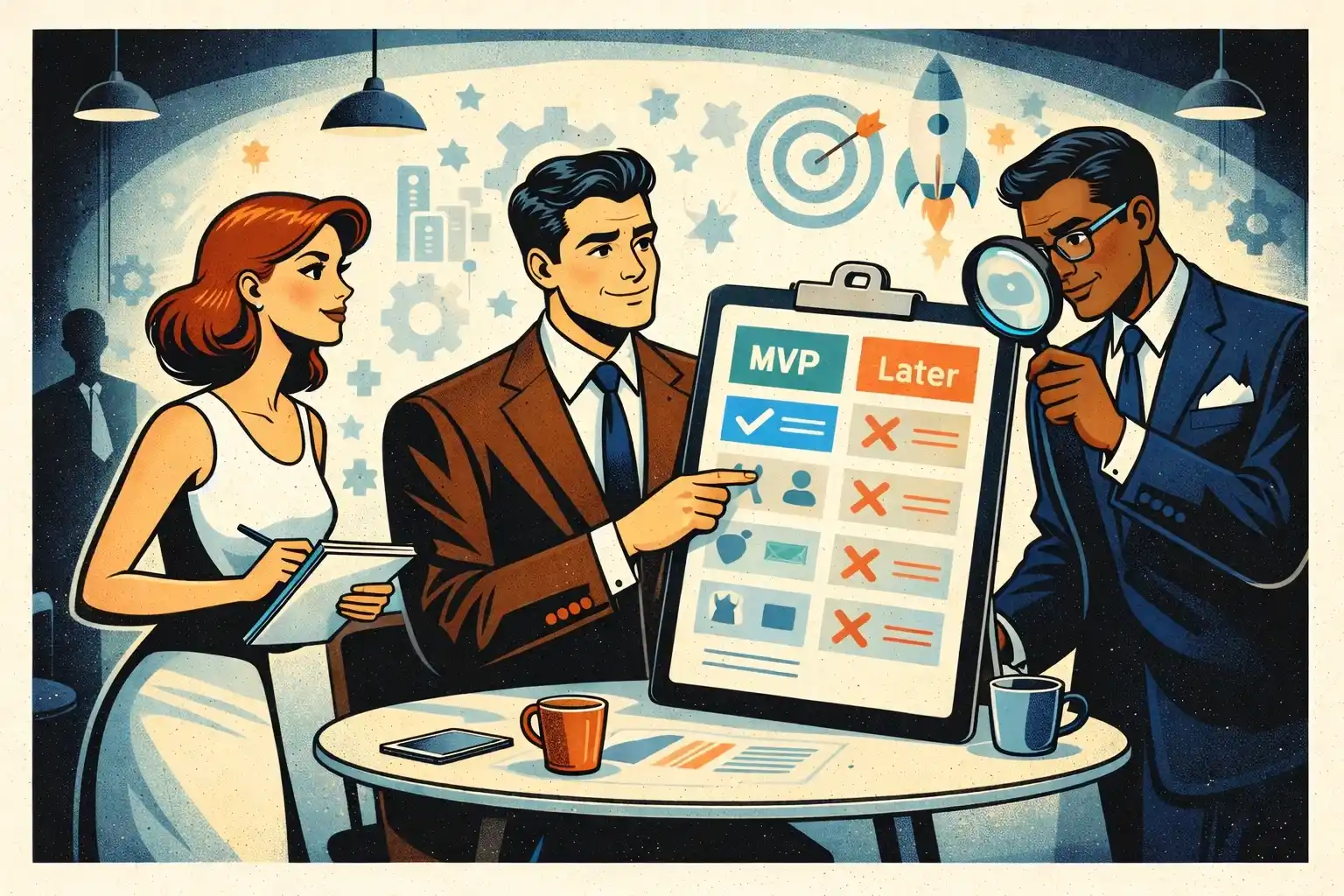
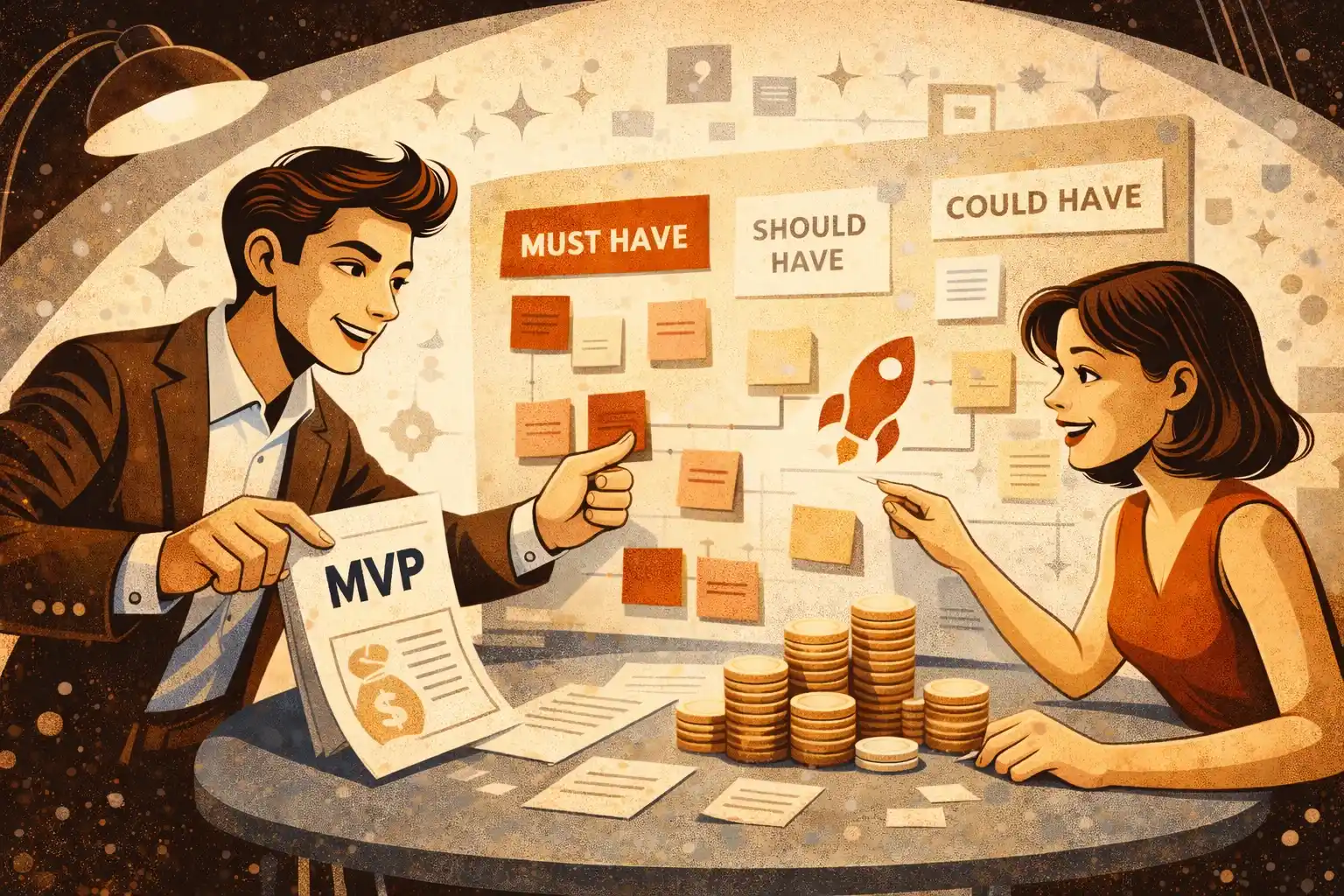
- fuzzy MVP scope
- changing priorities mid-build
Technology amplifies clarity — it doesn’t replace it.
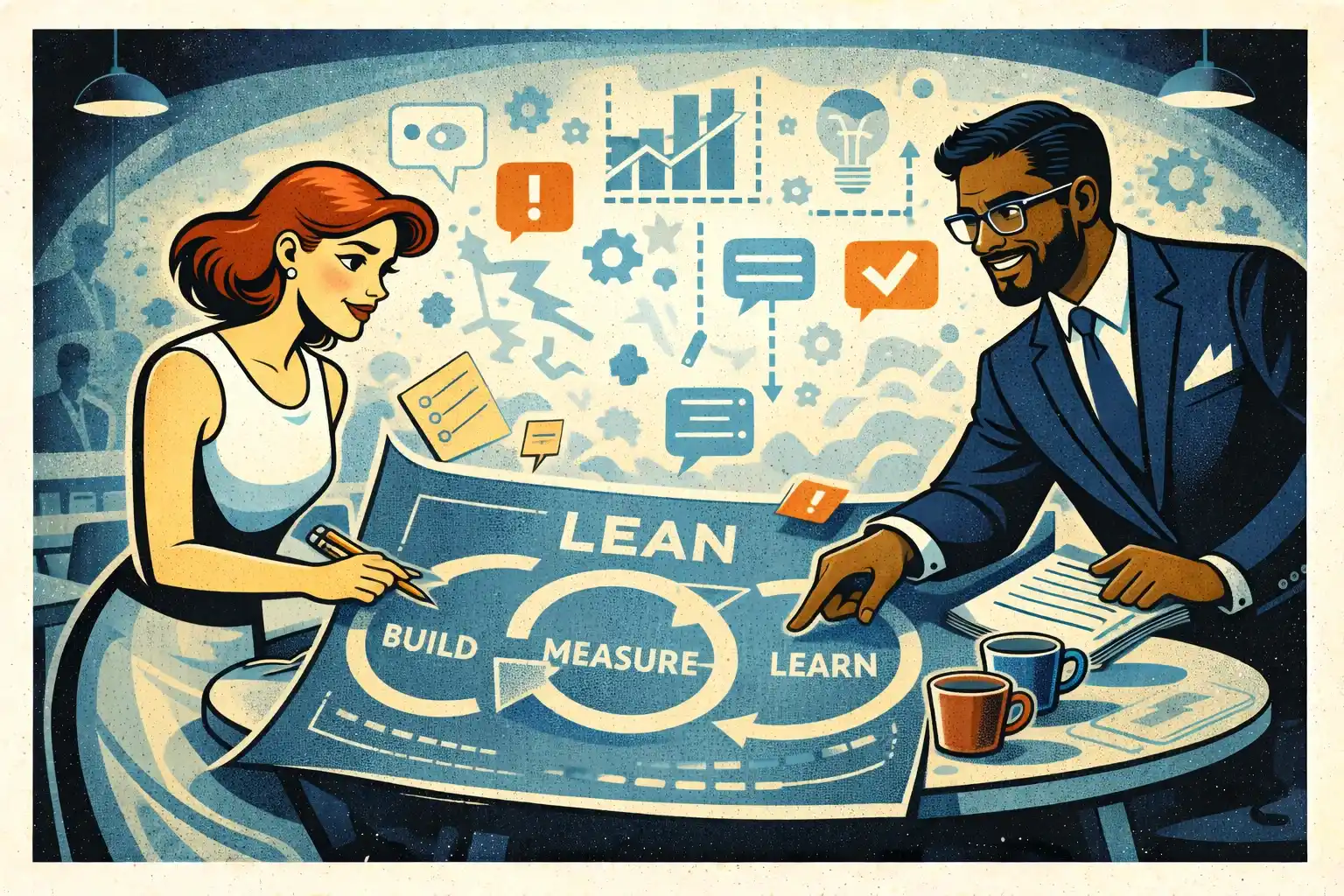
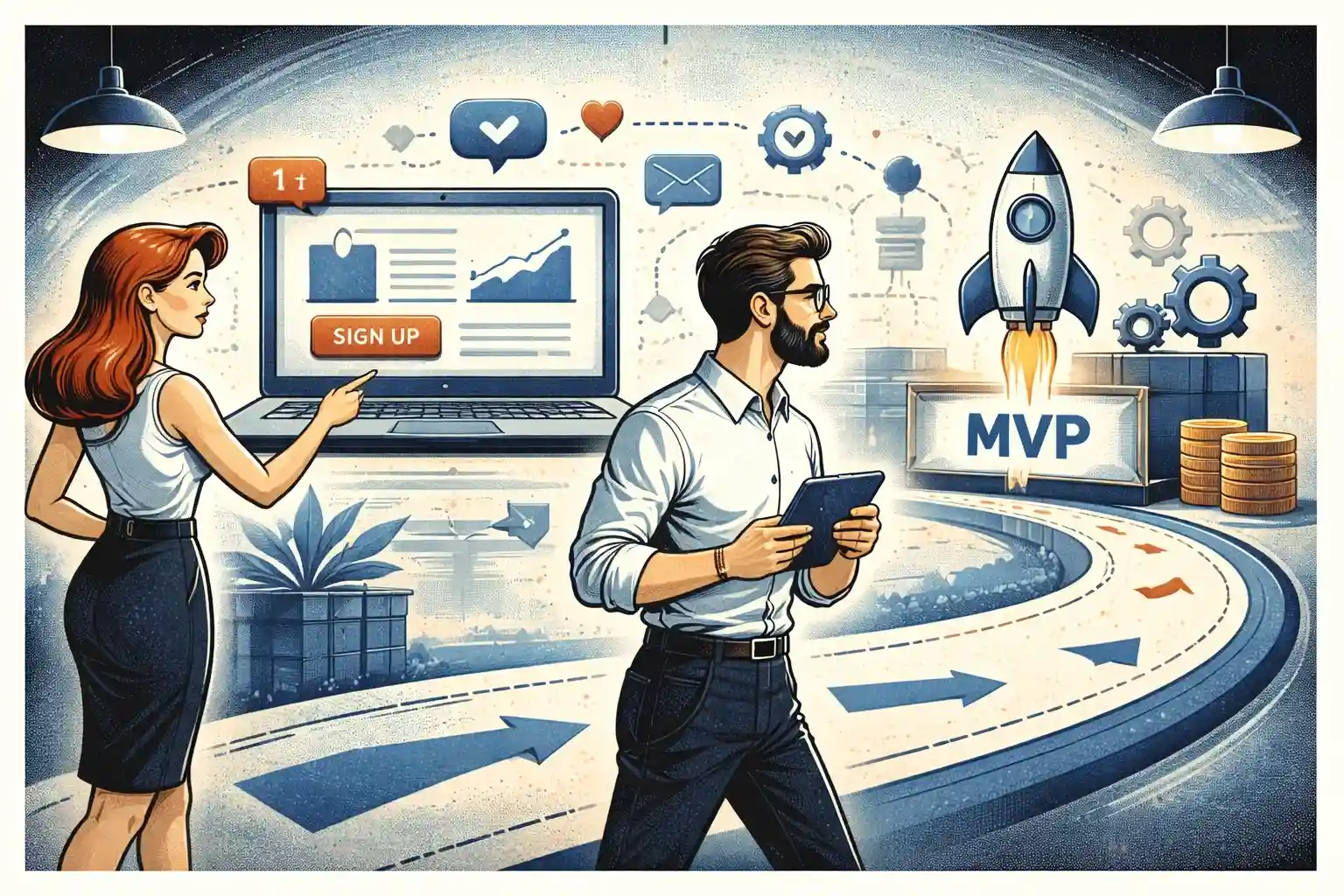
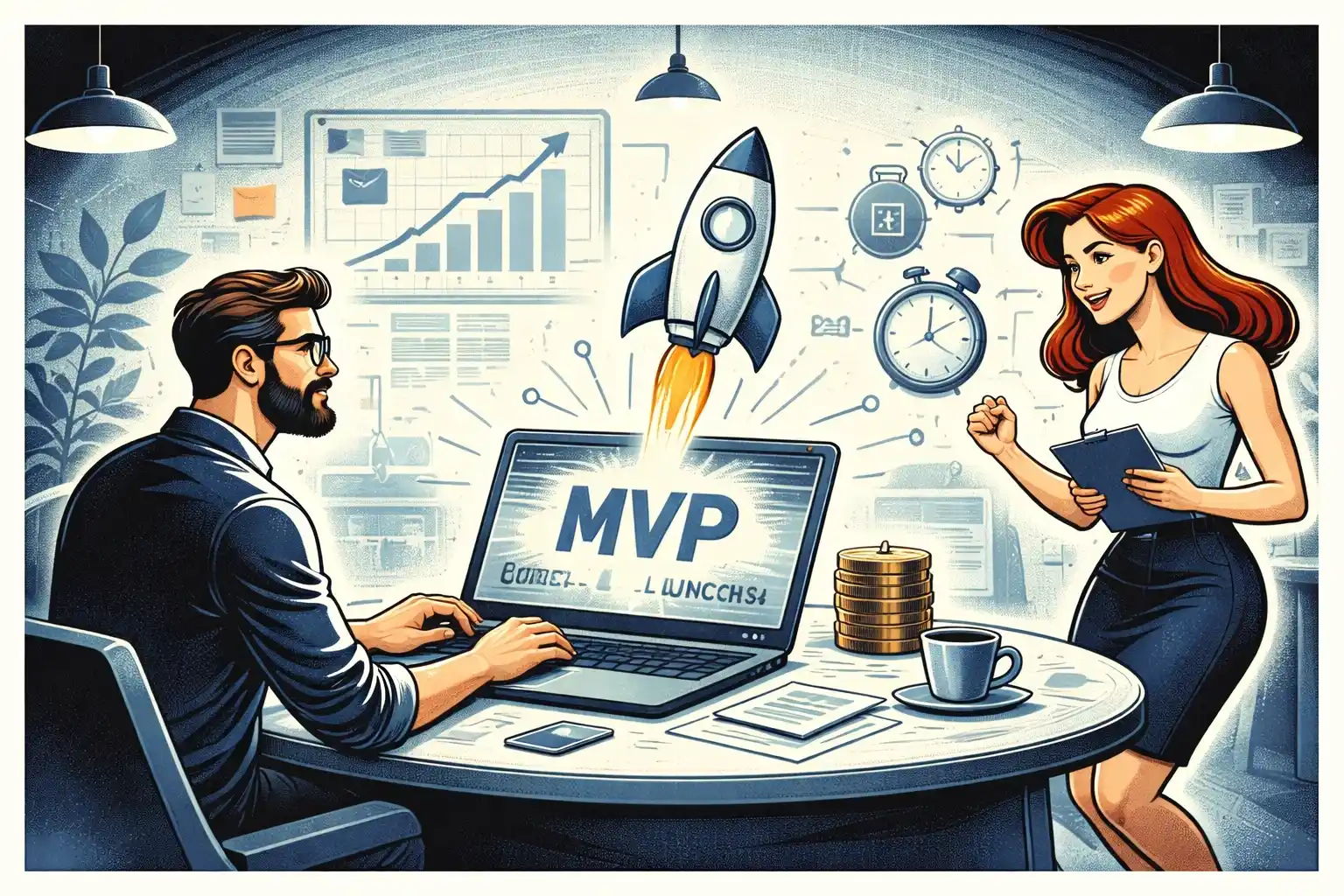
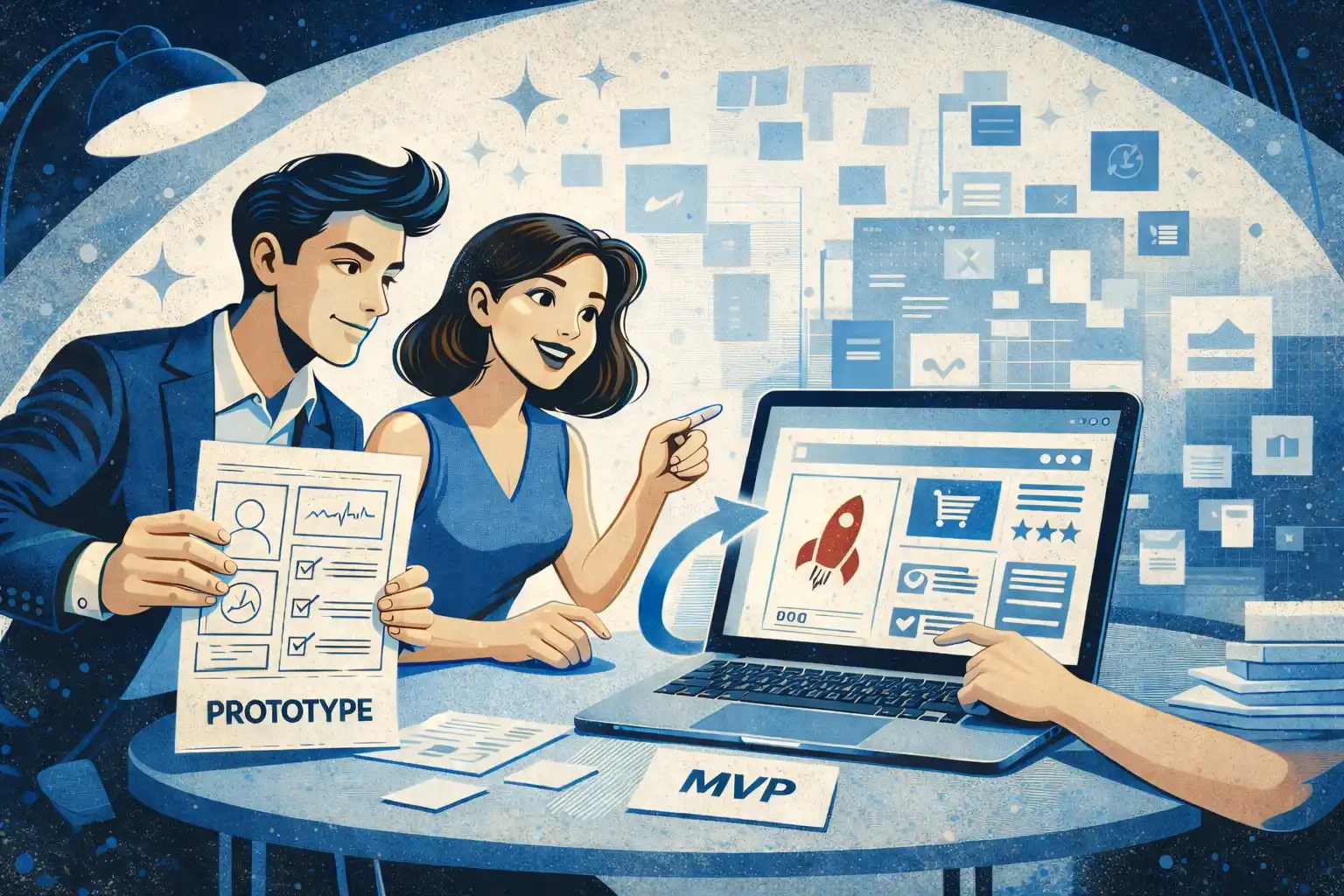
MVPs are still about learning, not shipping
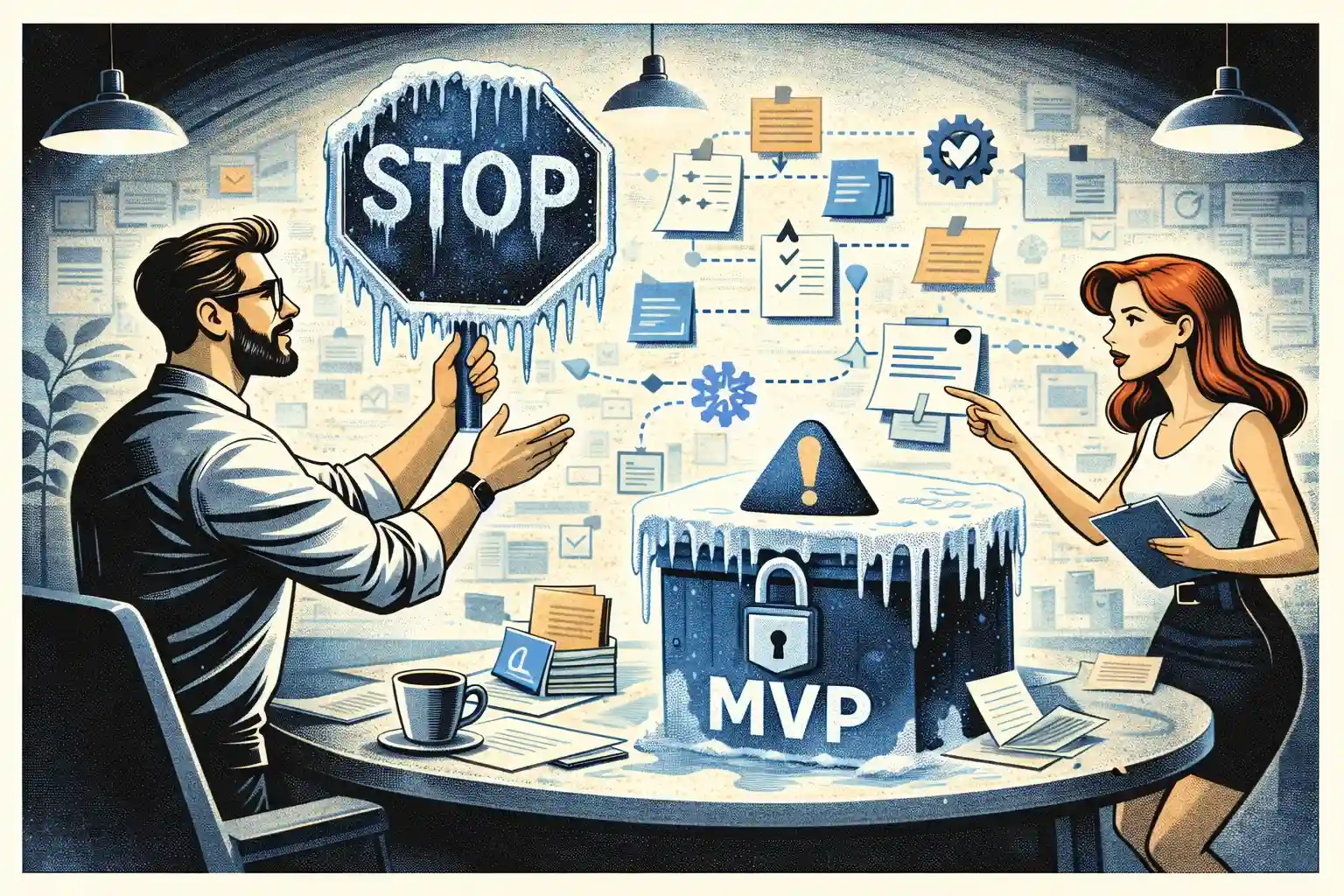
Even in 2026, founders still misunderstand MVPs.
An MVP is not:
- a cheaper final product
- a beta with all planned features
- something built "just to see"
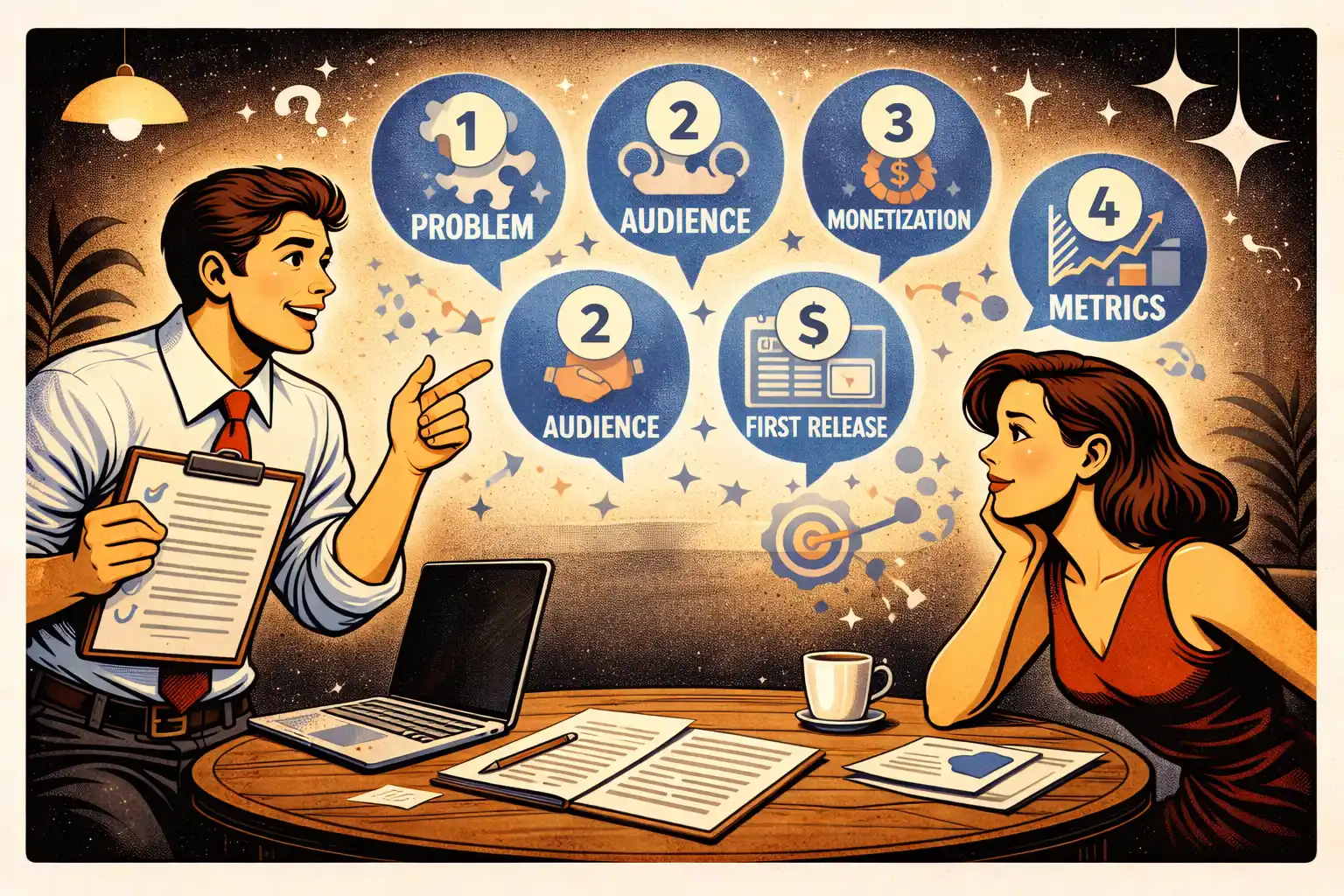
An MVP is a focused experiment.
If this distinction feels blurry, “Why MVPs Still Fail in 2026” explains why most teams get this wrong.
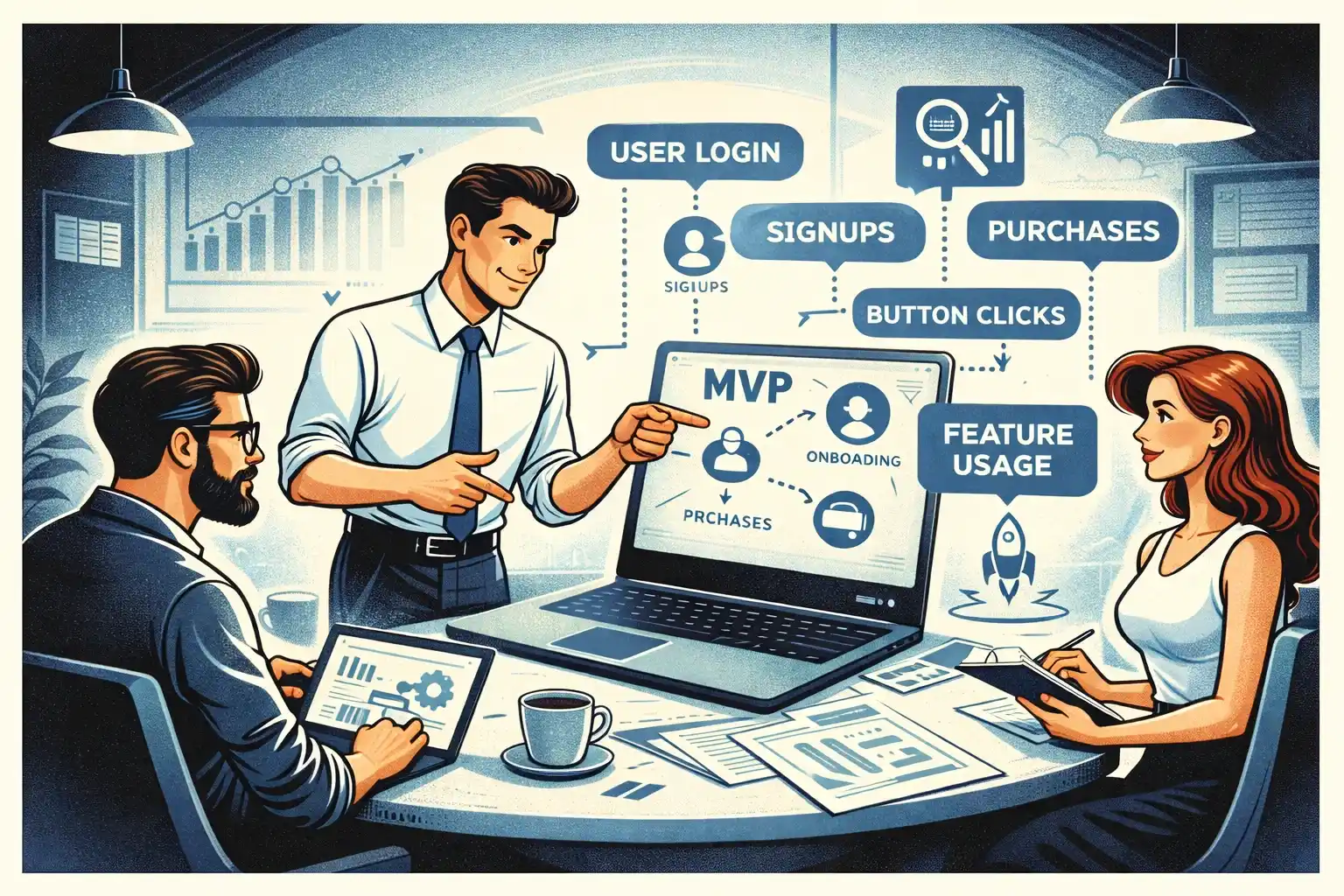
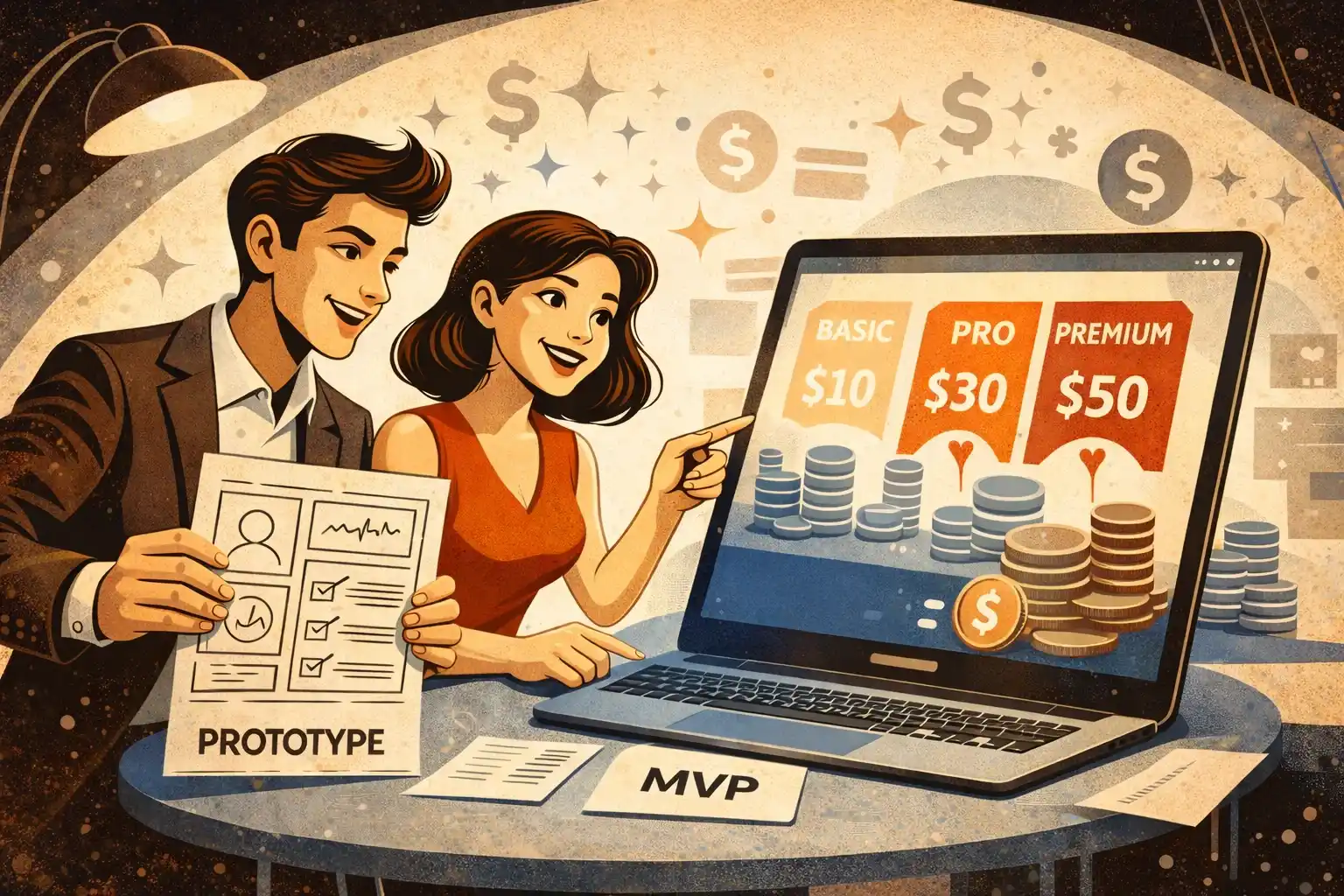
Validation is your job — not the developer’s
Developers build what you ask for.
They don’t:
- define your market
- choose your customer
- confirm demand
That responsibility stays with the founder.
Practical validation methods that work before development are outlined in “Validate a Startup Idea Before Development: 5 Experiments That Work”.
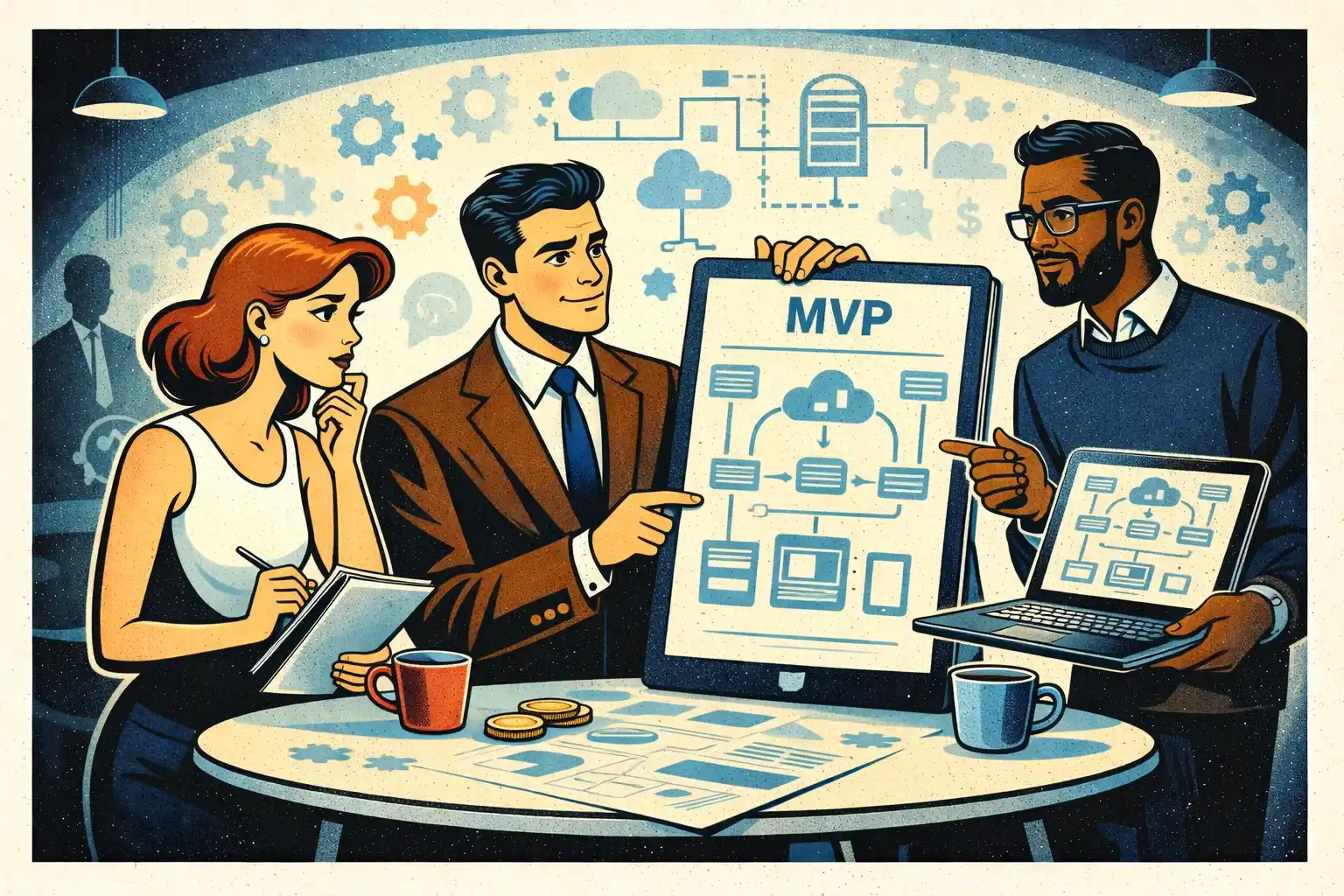
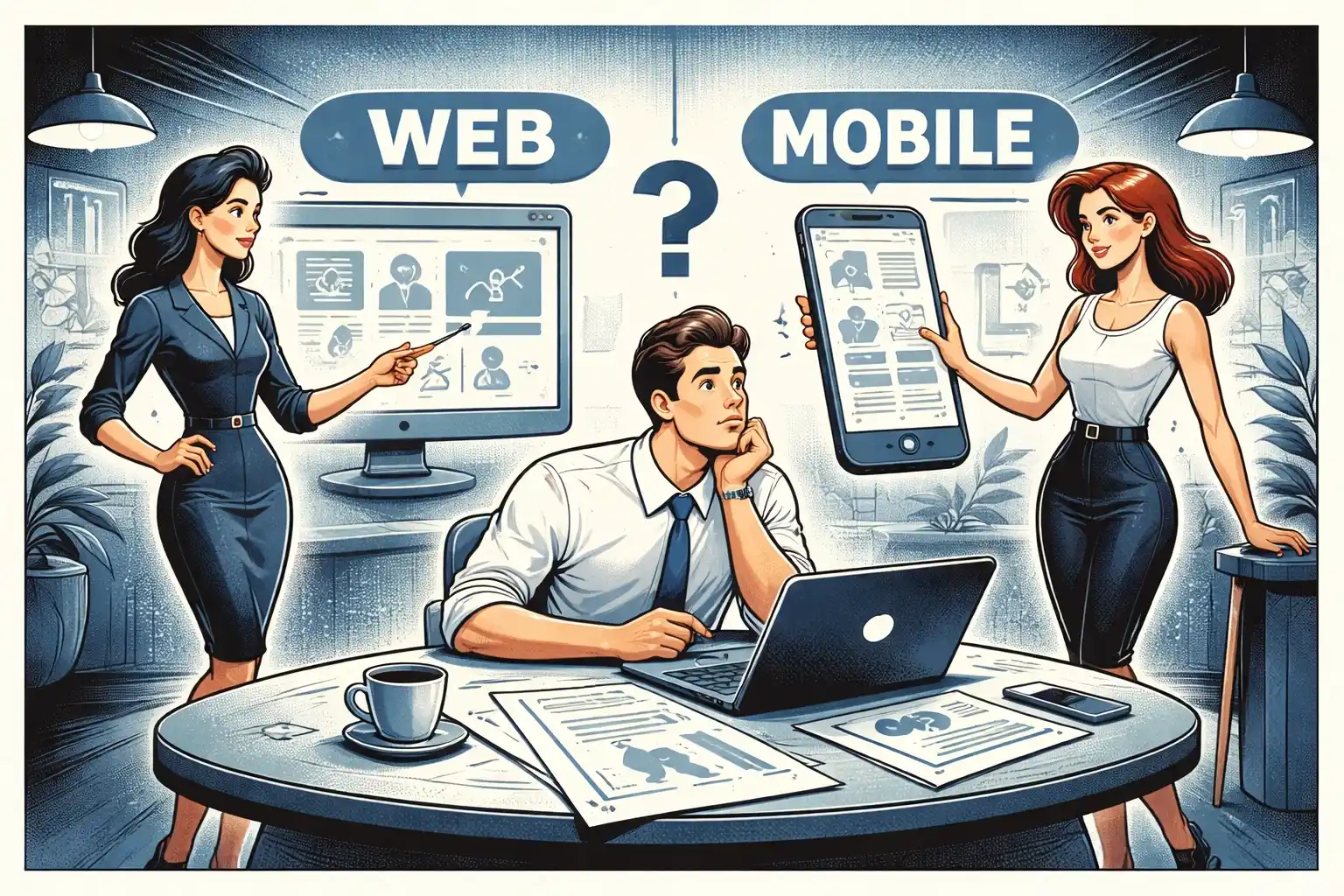
Tech choices should be delayed, not obsessed over
In 2026, founders still lose time debating stacks.
What matters early:
- speed of iteration
- flexibility
- proven tools
Most technical decisions are reversible — especially early on.
Understanding the basics without going deep helps founders avoid unnecessary complexity, as explained in “Web App Development for Startups: Architecture Basics for Non-Tech Founders”.
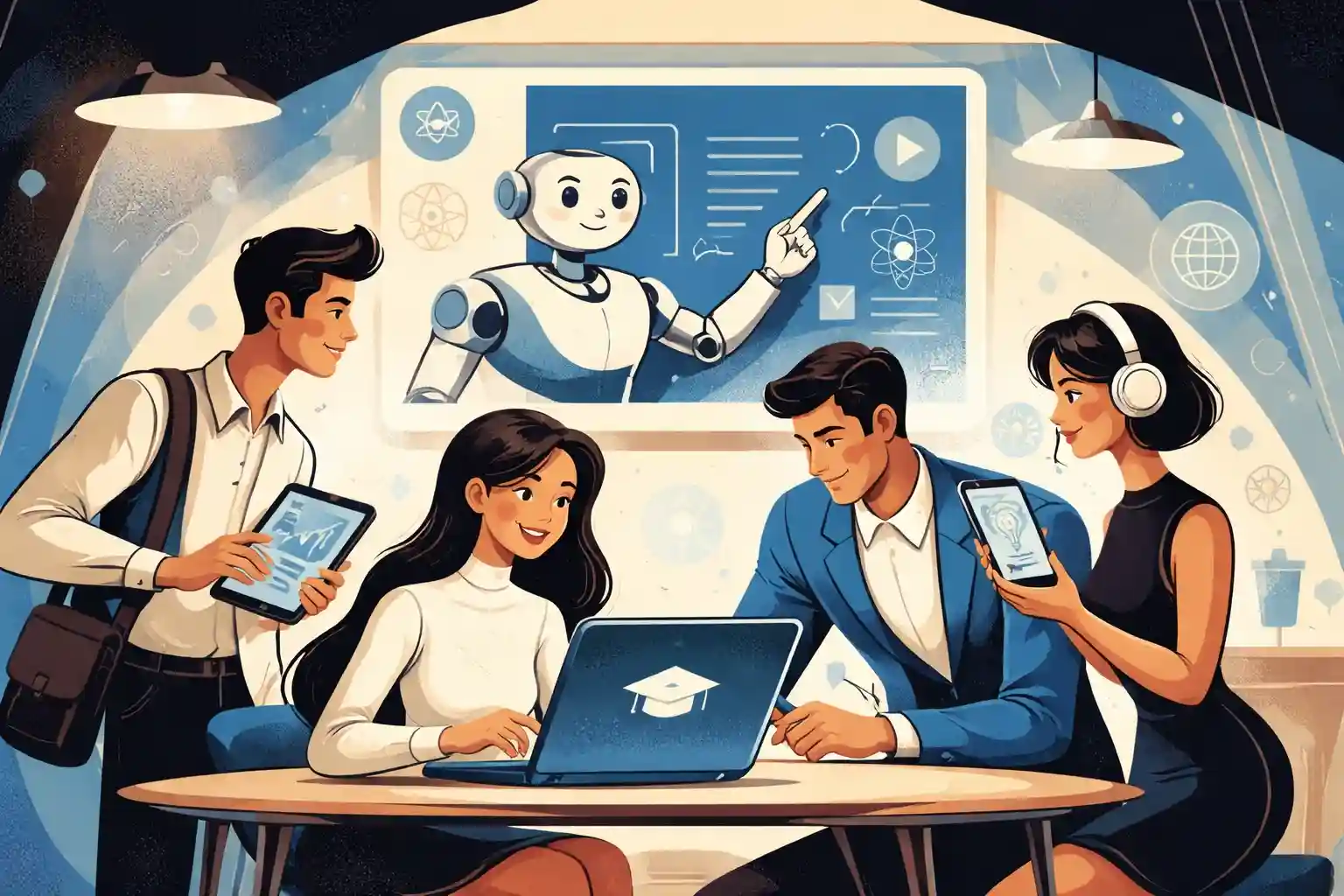
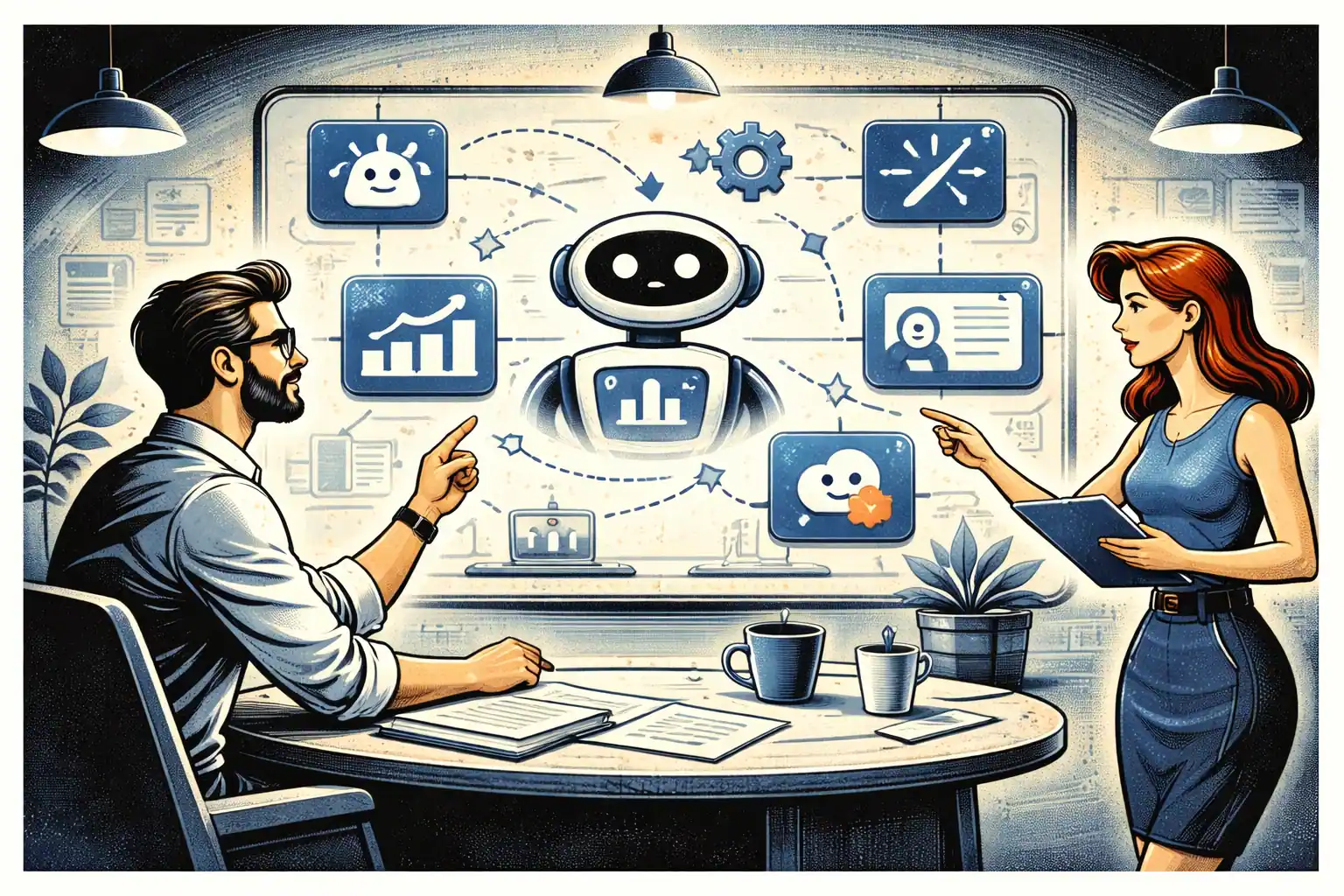
AI is a tool, not a strategy
AI is now expected in many products — but it’s not a substitute for product thinking.
Non-technical founders succeed with AI when they:
- apply it to clear workflows
- use it to reduce manual effort
- avoid building "AI-first" without a real use case
This approach aligns with ideas from “AI-Powered MVP Development: Save Time and Budget Without Cutting Quality”.
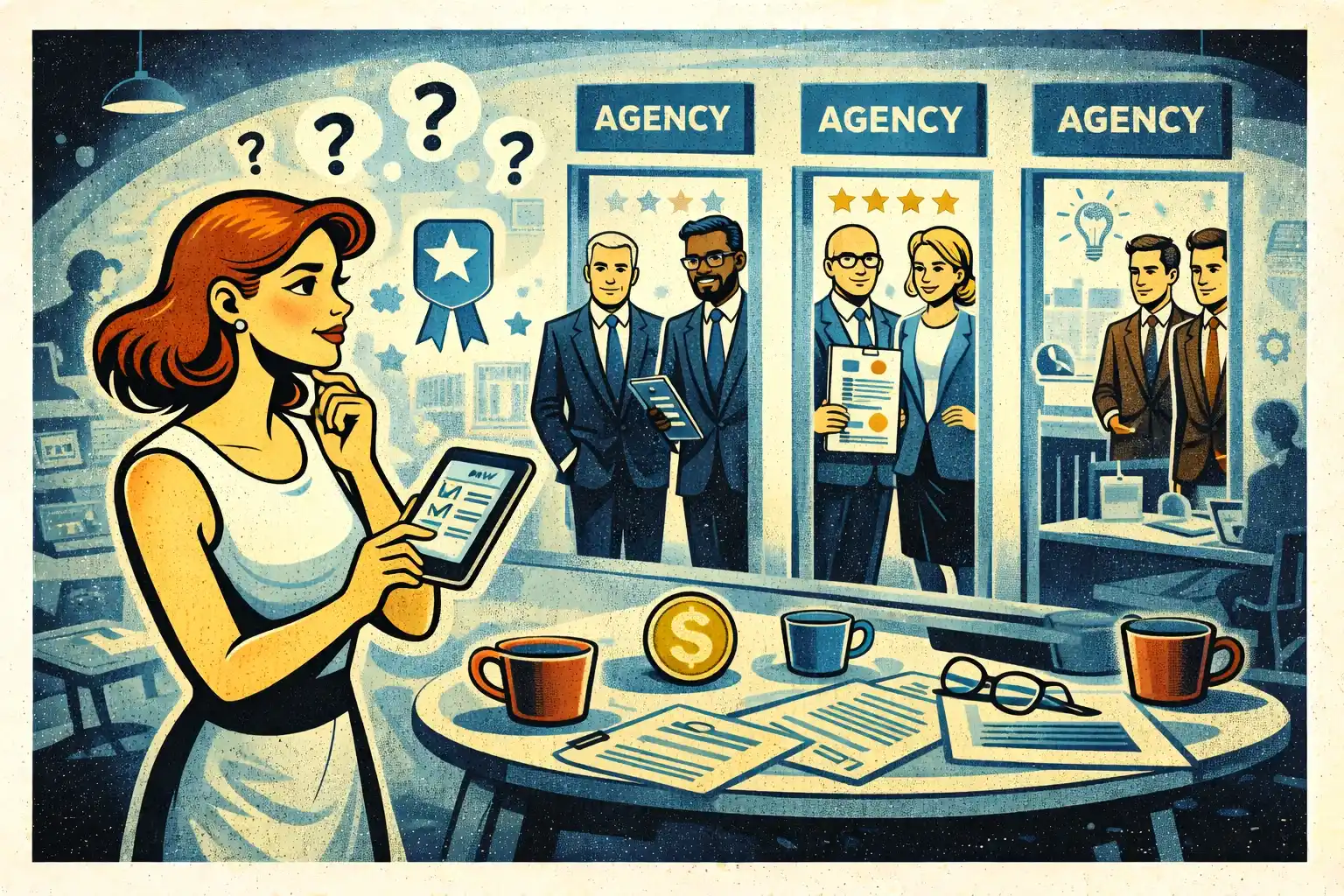
Your choice of execution model matters more than your idea
Many startups fail not because the idea is bad, but because execution is weak.
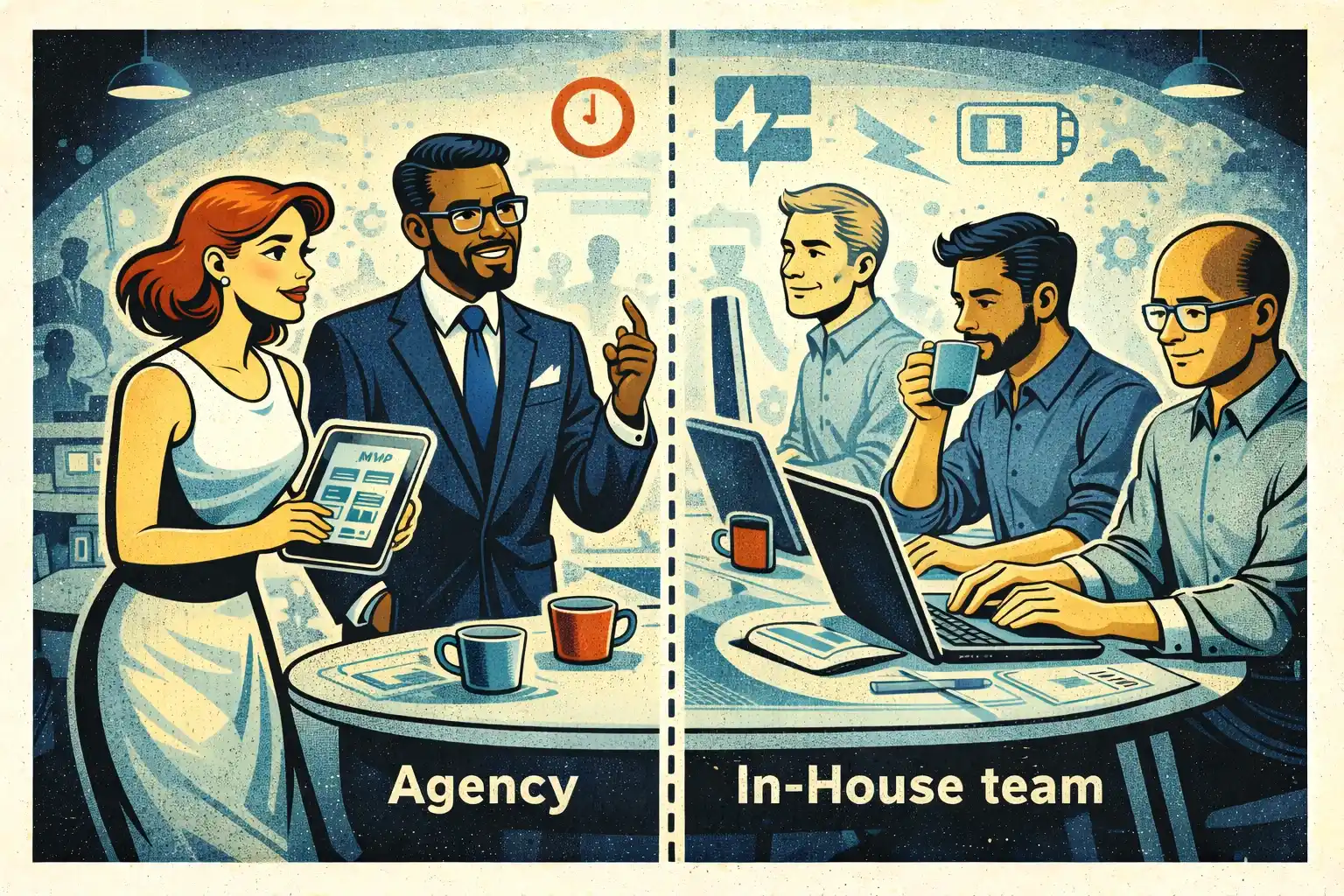
Non-technical founders must choose carefully between:
- freelancers
- agencies
- in-house teams
Each option has trade-offs, clearly compared in “Startup App Development Company vs Freelancers vs In-House Team”.
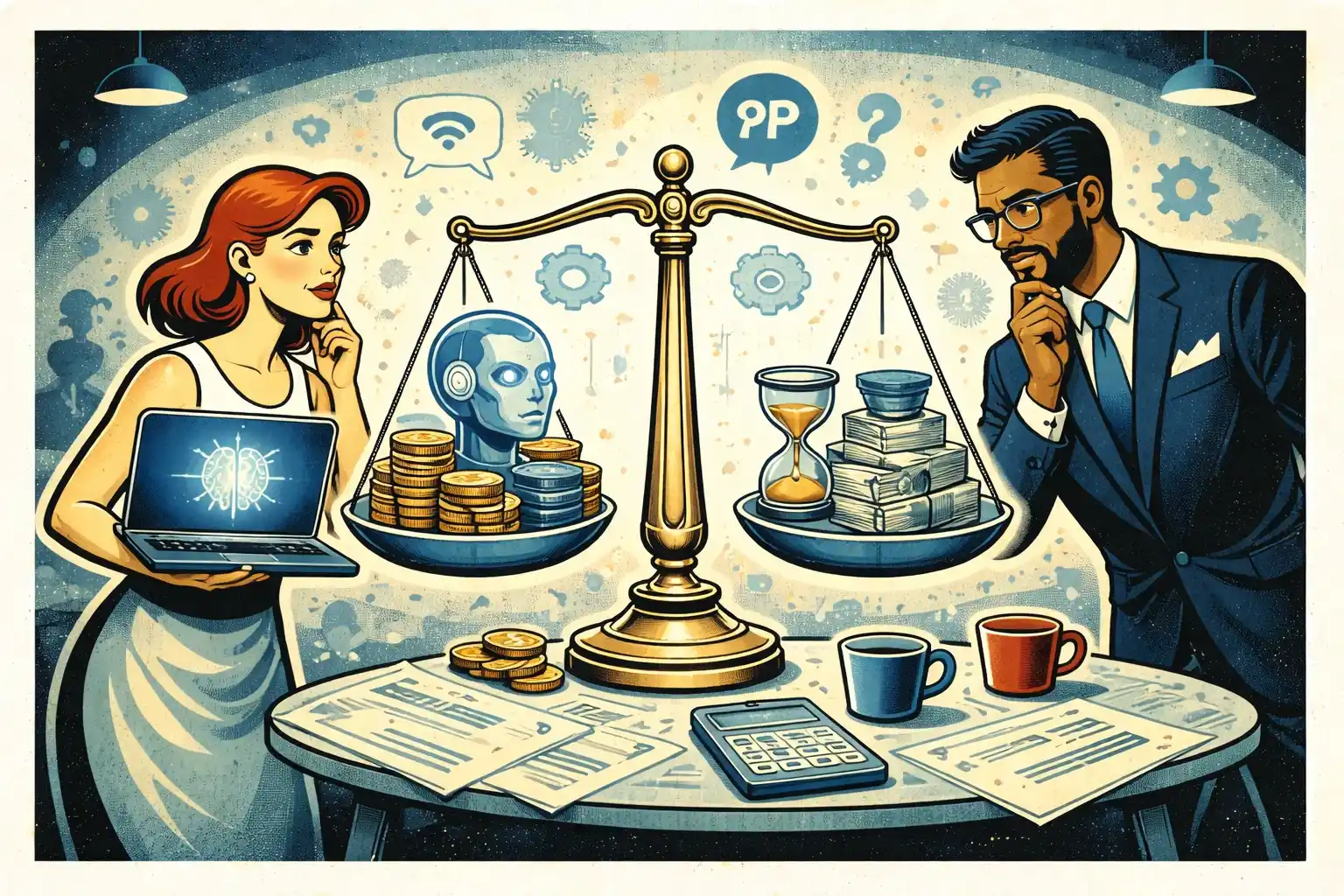
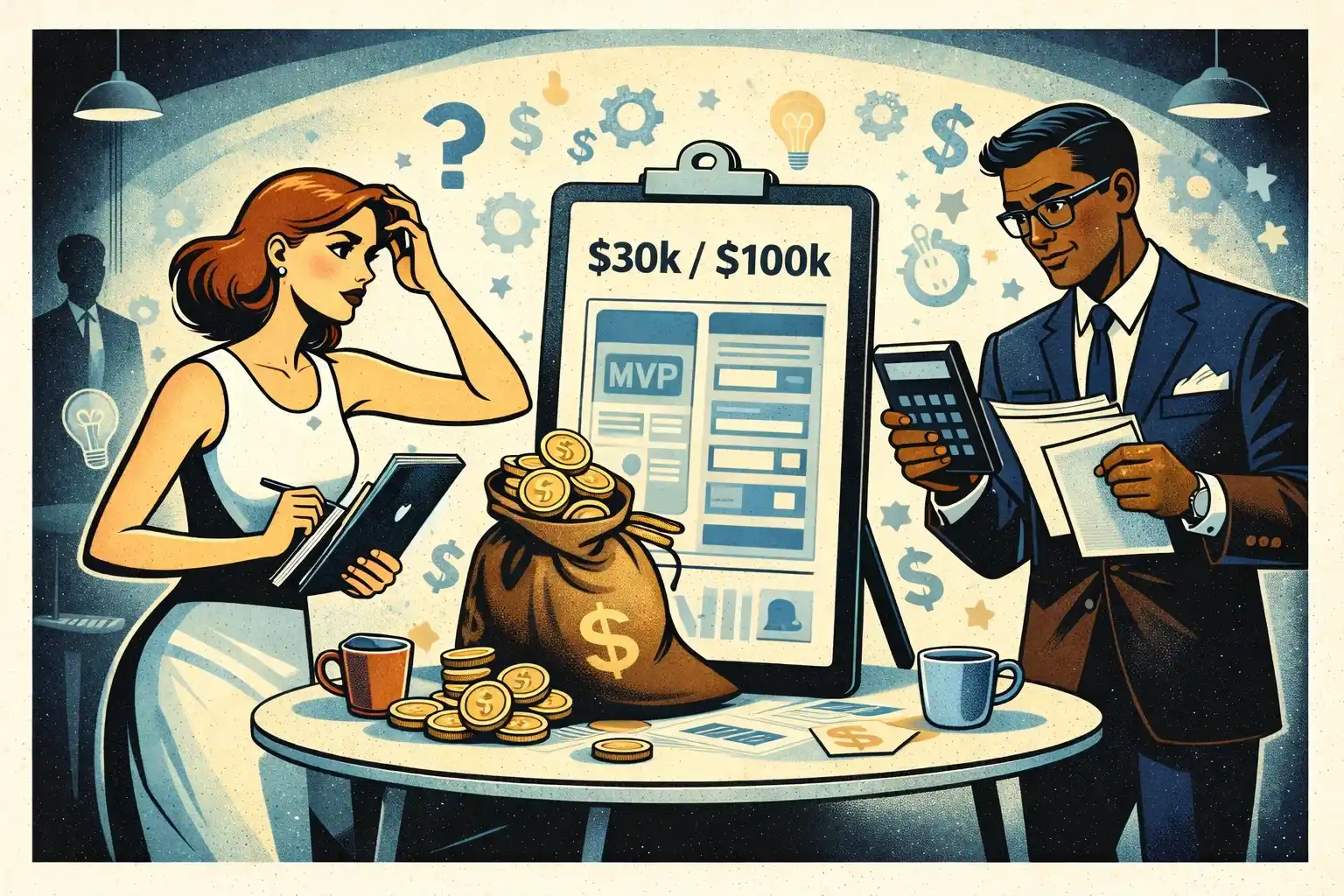
Cost awareness beats cost minimization
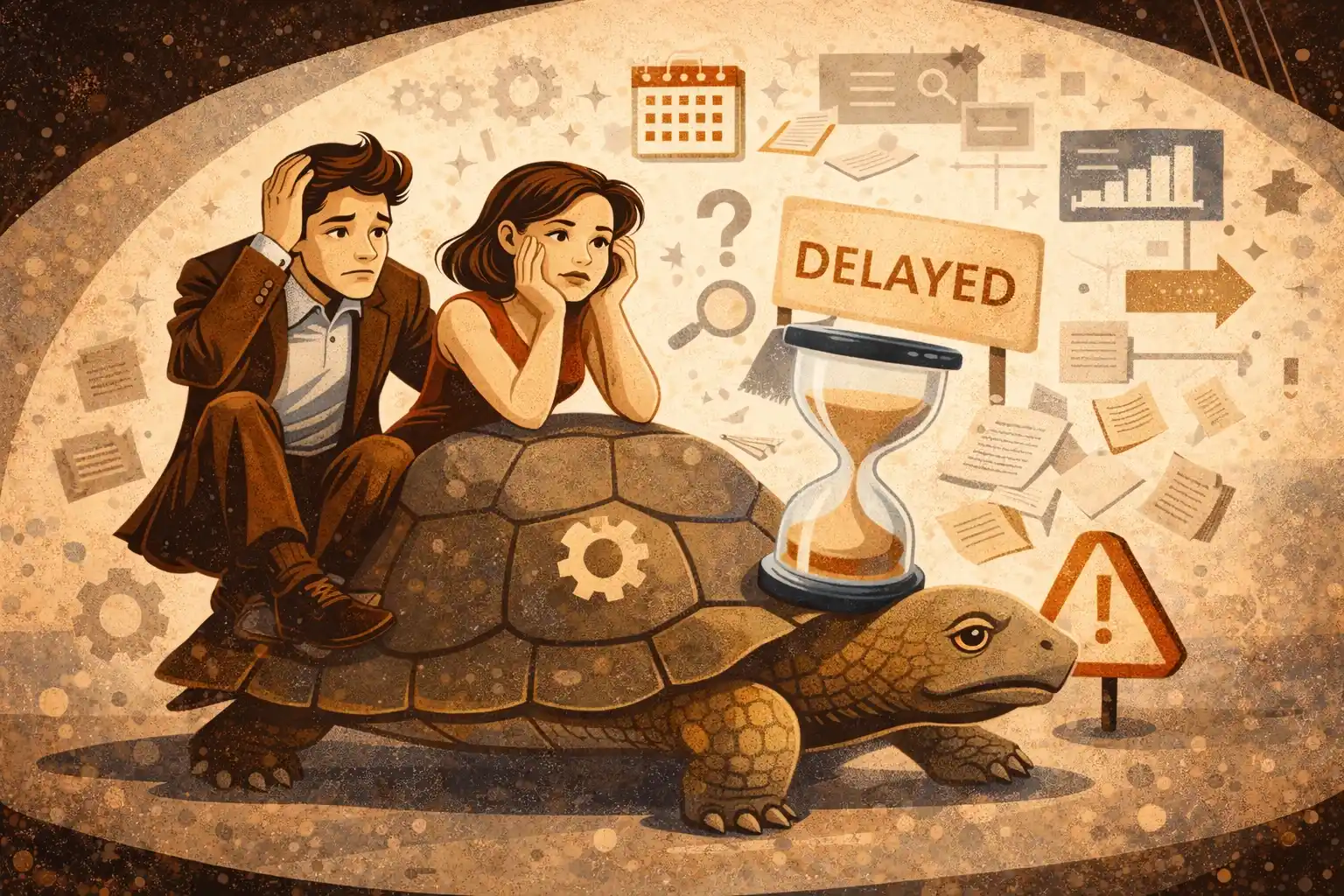
Trying to build as cheaply as possible often leads to:
- rework
- delays
- lost momentum
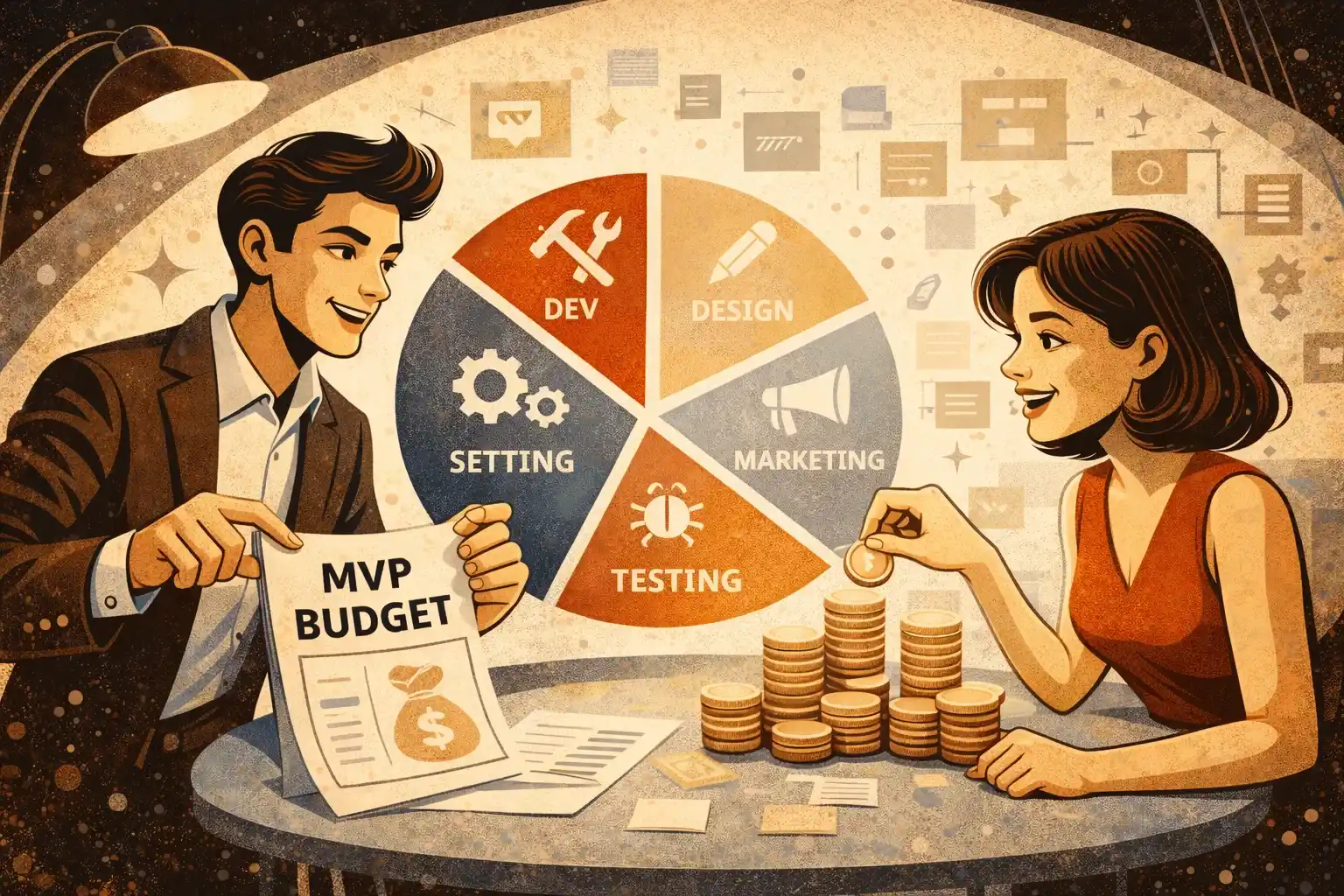
Smart founders aim for predictable cost and learning efficiency.
For realistic expectations, “Affordable MVP Development for Startups on a Realistic Budget” provides useful context.
What non-technical founders should stop doing in 2026
- Waiting for perfect ideas
- Overplanning features
- Delegating all product thinking
- Optimizing for tech instead of users
These patterns slow learning and increase risk.
Not sure what you should focus on as a non-technical founder in 2026?
At Valtorian, we help non-technical founders turn ideas into validated MVPs — without overbuilding or losing control of the product.
Book a call with Diana
Get clarity on scope, validation, and the right execution model.
FAQ — Non-Technical Founders in 2026
Do non-technical founders need to learn coding in 2026?
No. They need to understand product, process, and decision-making — not syntax.
Can non-technical founders lead product development?
Yes. In fact, many successful founders are non-technical.
Is AI required for startups in 2026?
No — but it’s increasingly useful when applied intentionally.
What’s the biggest mistake non-technical founders make?
Skipping validation and overbuilding too early.
How long should an MVP take to build?
Usually 4–8 weeks, depending on scope and approach.
Should non-technical founders manage developers directly?
They should manage outcomes and priorities — not code-level details.























.webp)




.webp)